
Singapore, Shanghai firms ink deals to boost trade flow
SINGAPORE — In a major move towards cementing business ties between Singapore and Shanghai, nine memoranda of understandings (MOUs) were signed yesterday between financial institutions and corporates from the two cities.
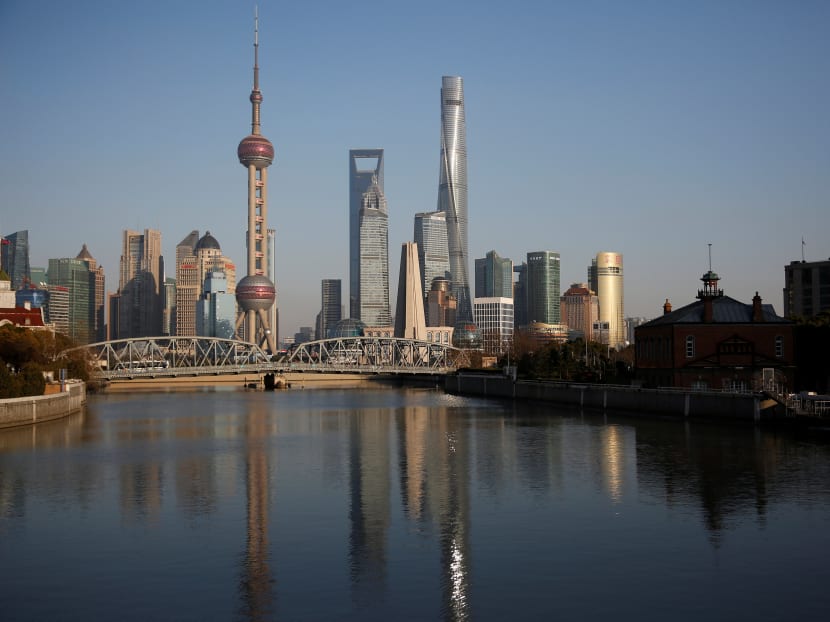
Reuters file photo
SINGAPORE — In a major move towards cementing business ties between Singapore and Shanghai, nine memoranda of understandings (MOUs) were signed yesterday between financial institutions and corporates from the two cities.
The alliances, aimed at strengthening cross-border collaboration between the two financial centres, were signed and sealed at the third Singapore-Shanghai Financial Forum (SSFF) organised by the Monetary Authority of Singapore (MAS) along with the Shanghai Financial Services Office.
The initiatives are in line with increased focus on the strong trade and investment flows between China and Singapore.
As the Republic’s largest trading partner, China accounted for a major share in the rise of Singapore’s non-oil domestic exports in the last few months. In February, shipments to China jumped by 65.1 per cent, extending the previous month’s growth of 36.9 per cent.
“We will build on the strong partnership with our Shanghai counterparts to facilitate greater collaboration as we navigate the new financial world order,” said Ms Jacqueline Loh, deputy managing director of MAS, at the opening of the forum.
Highlighting broad areas of cooperation that institutions in Singapore and Shanghai could leverage together, she urged financial institutions from both cities to work together and pool their expertise.
For instance, in developing risk management and hedging tools, tapping capital markets and direct financing channels, ensuring better insurance coverage of infrastructure projects and building more conducive eco-systems for financial technology (fintech) companies and start-ups.
MAS is exploring a customised training programme to encourage mutual exchange between financial sector players. Through such exchanges, industry participants can get a better understanding of each other’s markets and enhance their knowledge of specialised areas, Ms Loh added.
Among the key agreements signed yesterday was a pact between the Singapore Exchange (SGX) and Shanghai Pudong Development Bank (SPDB) to strengthen capital market ties between the two cities.
To raise the profile of Singapore’s capital market, SPDB will recommend Chinese enterprises to raise funds through initial public offers, listing of Real Estate Investment Trusts and business trusts, and issuance of offshore renminbi bonds, including depositing their bonds where applicable, in the Central Depository of SGX.
Meanwhile, SPDB announced the launch of its first overseas branch in Singapore, marking steps towards its internationalisation strategy with a keen focus on South-east Asia.
Aimed at bolstering business opportunities between the Republic and China in areas such as infrastructure development and fintech, United Overseas Bank (UOB) signed two separate agreements with Shanghai-based infrastructure construction company SUCG International Engineering (SUCGI) and a Singapore-based fintech firm Nufin Data — wholly-owned by JK Tech Group.
“As Chinese companies ... venture into South-east Asia, they are positive about the long-term growth prospects the Asean economic community (AEC) will create. According to the UOB Asian Enterprise Survey 2016, 72 per cent of Chinese enterprises are optimistic that the AEC will make their regional business expansion easier,” said Mr Peter Foo, president and CEO of UOB (China).
Oversea-Chinese Banking Corp (OCBC) also signed agreements with Bank of Shanghai and SIIC Shanghai International Trade Group, as well as its Singapore-incorporated subsidiary, SIIC International Trade Singapore.
OCBC Bank’s group chief executive Samuel Tsien highlighted that the two cities are critical gateways for capital, trade and investment flows within Asia and with the rest of the world.
The bilateral direct investment flows between China and the economies of Singapore, Malaysia, Indonesia and Thailand alone amounted to US$20.4 billion (S$28.6 billion), he said in his opening remarks at the CEO panel during the forum.
“The ties and connectivity between the two cities will certainly deepen further.
“It is therefore very important that banks, insurance companies and asset management companies follow the financial market developments in China attentively, and be positioned and prepared for the opportunities that are bound to increase, as investment, wealth, capital, trade and people flows intensify,” Mr Tsien said.
Stay in the know. Anytime. Anywhere.

Subscribe to our newsletter for the top features, insights and must reads delivered straight to your inbox.
By clicking subscribe, I agree for my personal data to be used to send me TODAY newsletters, promotional offers and for research and analysis.






