
Cairns: More than just the Great Barrier Reef
It was a case of deja vu to board SilkAir’s inaugural direct flight to Cairns last month. Many Singaporeans’ would most probably be introduced to Australia through the cities of Melbourne, Sydney, Adelaide or Perth; for me, the first and only Aussie destination I’ve been to was Cairns during a family trip back in 1993.
It was a case of deja vu to board SilkAir’s inaugural direct flight to Cairns last month. Many Singaporeans’ would most probably be introduced to Australia through the cities of Melbourne, Sydney, Adelaide or Perth; for me, the first and only Aussie destination I’ve been to was Cairns during a family trip back in 1993.
The city is SilkAir ’s second Australian destination after Darwin and is a great gateway to this part of Oz. The flight, which took less than seven hours, was a breeze too, thanks to SilkAir Studio, the new in-flight entertainment system that allows passengers to easily access movies, TV shows, and music through their personal mobile devices such as laptops, smartphones and tablets. And yes, in-seat power supply is available.
HEADING INWARDS AND UPWARDS
In a way, the northern Queensland city could be called the heart of Australia. The country’s Aboriginal population is believed to have entered the country at least 40,000 years ago through North Queensland, and archaeological findings show they were the first human occupants of Cairns, living in the verdant rainforest and surviving by hunting and fishing.
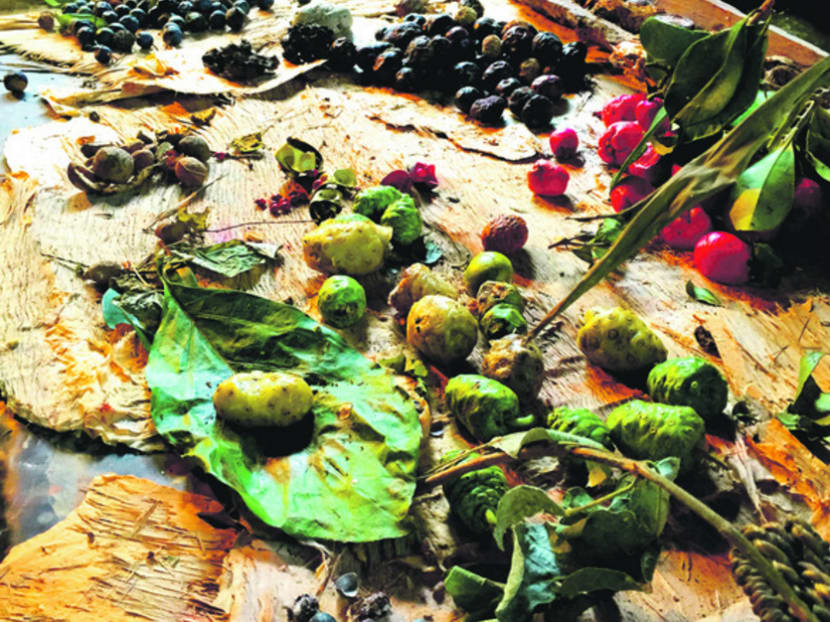
We learnt all this and more at Tjapukai Aboriginal Culture Park, where we were immersed in Aboriginal culture and history through exhibitions, dance and story telling — or what they call “dream time”. Our guide explained how the seemingly innocuous boomerang can be used as a lethal hunting device (basically, they use it to hits birds in the trees), how the Aboriginal people draw medicinal properties out of native plants and sampled traditional bush foods (kangaroo meat, lemon myrtle or fruits such as riberry, anyone?).
But it’s not just aboriginal culture that’s ancient here. Stretching for more than 500km along the coastline, the rainforests surrounding Cairns are the oldest continually surviving rainforests on earth. They actually covered the entire Australian continent at one point. Here, amazingly diverse plant and animal species occupy the ecologically unique UNESCO World Heritage-listed rainforests. One of the best ways to get a glimpse of their sheer enormity is from a bird’s-eye view. With the help of the Skyrail Rainforest Cableway, we were able to soar above the canopies of Barron Gorge National Park, taking in the rugged coast mountains, steep ravines, tumbling gorges and rich rainforest flora and fauna.
We took a stop at Red Peak Station, where Skyrail rangers give regular guided tours along the boardwalks into the forest throughout the day. From large kauri pines hundreds of years old to banyan figs to ferns of all manners, our guide pointed out flora of the lush rainforest while educating us about the native fauna, such as the native flightless bird, the cassowary, with its vibrant blue neck. At last count, there are 1,000 to 3,000 of them roaming around, though it is difficult to spot one — we hopped into a glass-floored cabin in hopes of spotting one of them from up high but the cassowary is a rather shy creature.
Those who want to get close to animals can do so at the quaint village of Kuranda at the end of the cable ride. What was once a bohemian artist enclave in the 1970s and 1980s has now become a popular tourist attraction. While shops offer locally made artworks, crafts and produce, animal lovers can head to the bird aviary, butterfly sanctuary, wildlife rescue and rehabilitation centre or reptile park and koala sanctuary. You can easily spend a whole day in the village learning about the different species of butterflies, or feed wallabies and kangaroos and coo over koalas.
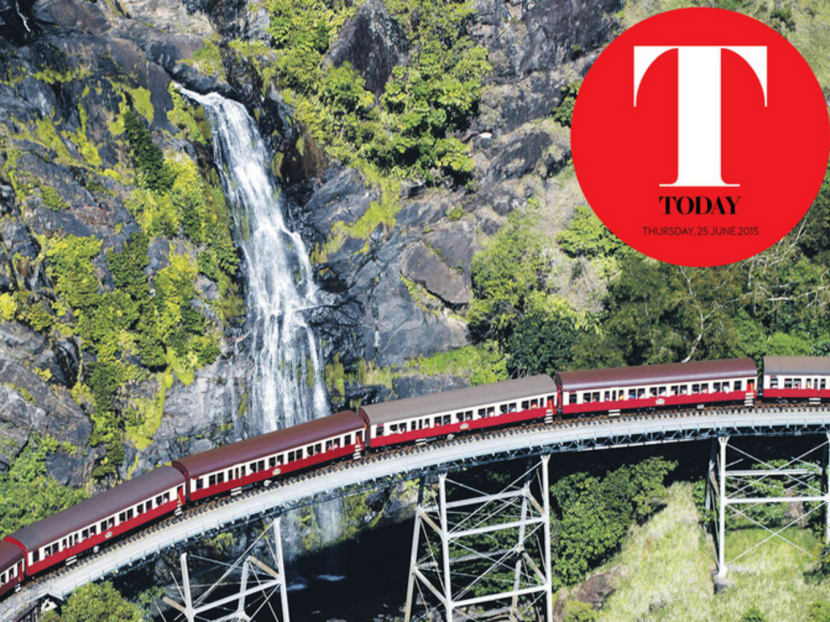
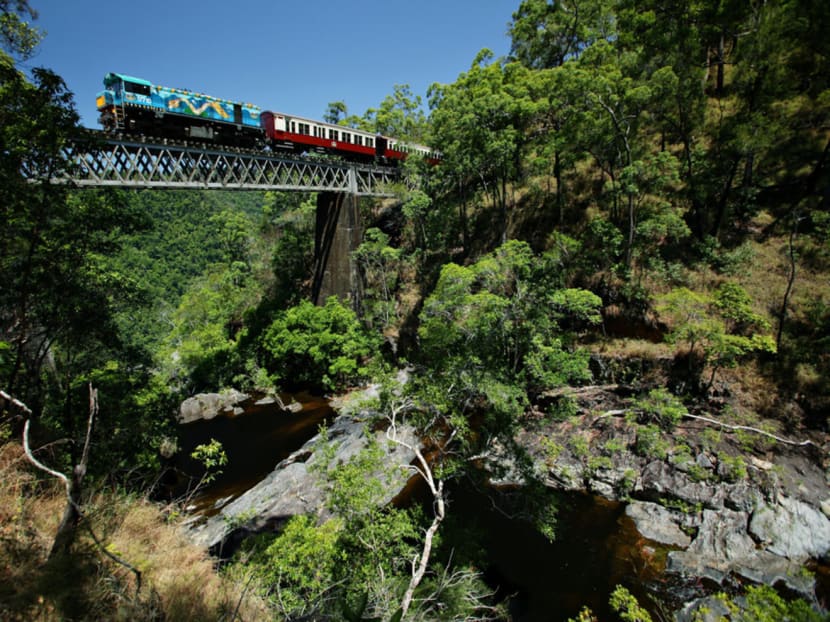
We took a scenic and leisurely journey back to Cairns via the Kuranda Scenic Railway. The historic 37km railway was built in the late 1800s and a detailed and informative commentary of the railway’s construction is provided during the train ride. We even made a quick stop at the Barron Gorge lookout to get Instagram-worthy pictures of the mighty Barron Falls.
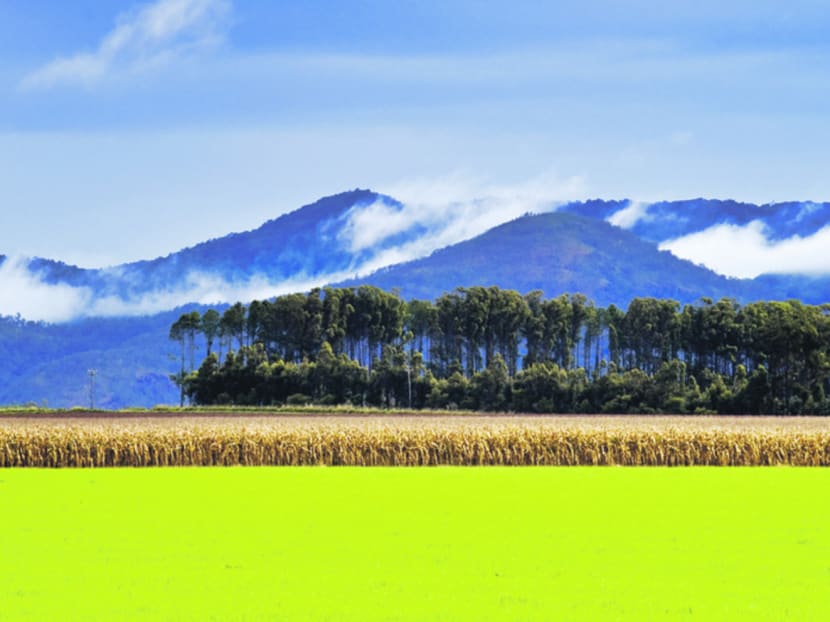
Just to the west of Cairns is the Atherton Tablelands, a fertile plateau that is undisputedly the “food bowl” of tropical North Queensland, with sugarcane, banana, mango, macadamia nuts and avocado as the main agriculture crops. It is easy to rent a car and make a day trip around the region to visit cheese farms, sugarcane plantations, coffee producers and local spirit distilleries. Or you can go on a trip organised by Food Trail Tours — it arranges tasty and comprehensive tours where you learn about the journey taken by produce from ground to table.
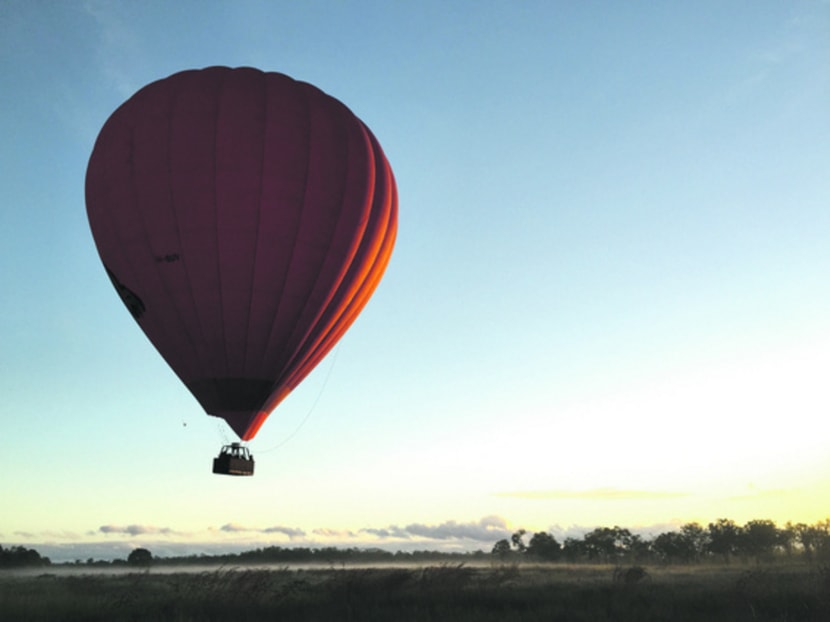
Atherton Tablelands is also known for its gorgeous landscape and ideal weather at sunrise, which is great for hot air balloon rides. Sure, you have to wake up way before dawn, but on the morning of our ride with Hot Air Balloon Cairns, I almost didn’t mind being up this early, with the chill of the morning air and calls of the kookaburra awakening my senses. Soon, we were floating at 3,000 feet, enjoying a 360-degree view of the spectacular Atherton Tablelands below us, as well as the myriad colours as the sun lazily peeked out from above the clouds.
SEASIDE RENDEZVOUS
You can’t not head seawards in Queensland. We took a leisurely 90-minute drive up along the scenic coastline to the laidback Port Douglas. With its fashion boutiques, souvenir and speciality shops, chill-out cafes and plethora of restaurant options, Port Douglas is for those who want to indulge in a spot of retail and gourmet therapy. The town is also a hit with politicians and celebrities: The Clintons, Matthew McConaughey and Kylie Minogue have all been spotted on the pristine palm-fringed Four Mile Beach.
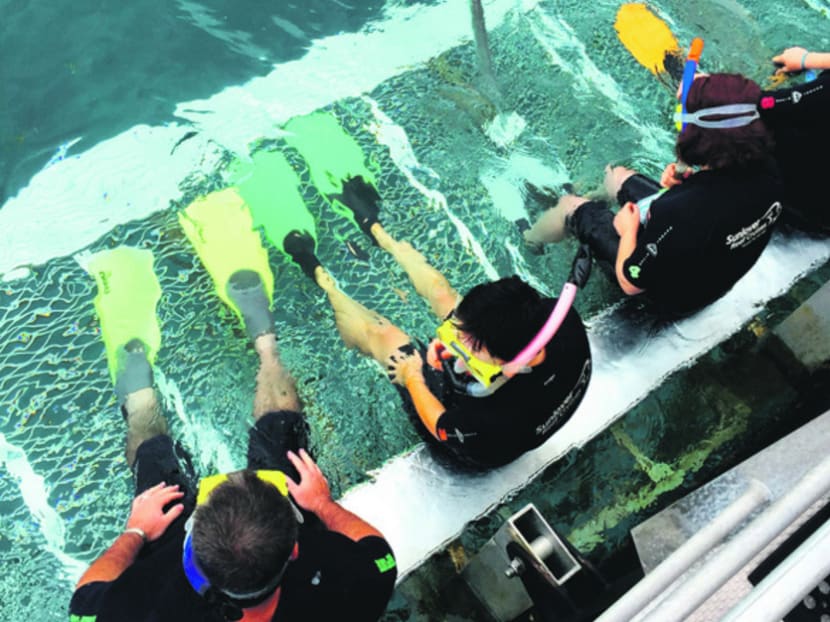
Obviously. no trip to Cairns is complete without visiting the Great Barrier Reef, the world’s largest coral formation. Our day started with Sunlover Reef Cruises. The boat ride to the reef takes about two hours, and it can get quite choppy, so pop an anti-nausea if you need to. During the ride out, we were treated to an informative presentation about the Great Barrier Reef by a marine biology naturalist. The warm and shallow waters off the east coast of Queensland is ideal for coral growth, which explains why the Great Barrier Reef has such diverse marine life. Just think Finding Nemo or the fact that a six different species of sea turtles head to the reef to breed each year.
At the reef pontoon, it was all abuzz. You can go about activities such as diving, snorkelling, helmet dive walking or even a helicopter ride. Eagle-eyed lifeguards on duty make sure no one gets into trouble or strays off the swimming area off the side of the pontoon. For the more intrepid, guided snorkelling expeditions, intro diving sessions and even helmet dive walks allow for a more upclose and personal experience. There are ways to appreciate the wonders of the reef without getting wet: Just get a ride on glass-bottomed or semi-submerged boats.
The colourful Great Barrier Reef is a microcosm of North Queensland’s diverse beauty. There’s a rugged charm in its natural splendour coupled with finer spoils in terms of food and culture. It definitely won’t be another 20 years before I return.
This trip was made possible by SilkAir, which flies to Cairns three times a week on Mondays, Thursdays and Saturdays.
Stay in the know. Anytime. Anywhere.

Subscribe to our newsletter for the top features, insights and must reads delivered straight to your inbox.
By clicking subscribe, I agree for my personal data to be used to send me TODAY newsletters, promotional offers and for research and analysis.






