
Consumers lost S$3.59m in prepayments last year: Case
SINGAPORE — Consumers have reported losing about S$8.35 million in advance payments for goods and services since 2014 — and the figure could be the tip of the iceberg, the industry watchdog said yesterday.
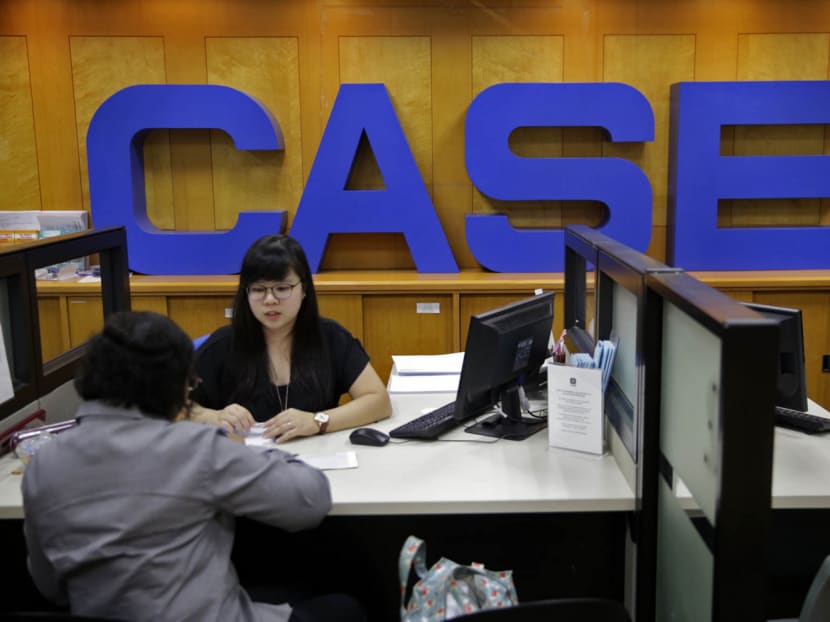
Consumers have reported losing about S$8.35 million in advance payments for goods and services since 2014. TODAY file photo

SINGAPORE — Consumers have reported losing about S$8.35 million in advance payments for goods and services since 2014 — and the figure could be the tip of the iceberg, the industry watchdog said yesterday.
The Consumers Association of Singapore (Case) reported an “alarming” increase in prepayments which have been lost by customers when businesses close. Such losses increased from S$1.05 million in 2014 to S$1.9 million in 2015.
The amount nearly doubled to S$3.59 million last year and, in the first half of this year, some S$1.81 million was lost.
Case advised people to make sure they protect their prepayments.
“With the current uncertain economic outlook, the risk of business insolvency may increase,” association president Lim Biow Chuan said yesterday.
“As not all affected consumers lodged their complaints with Case, these reported losses may represent only a fraction of the actual losses of consumers in Singapore.”
For instance, when gym chain California Fitness ceased operations in 2015, Case received about 600 complaints from customers who reported losses totalling S$1.09 million.
Yet this was a “small fraction” of the 27,000 members who were owed S$20.8 million in unused gym access and personal training sessions, as reported by the liquidators, Mr Lim explained.
Of the S$8.35 million losses reported to Case, the watchdog did not have exact figures as to how much consumers were able to recover.
It has received feedback from some consumers who were successful in filing for a chargeback from their credit card-issuing bank or receiving compensation from their insurance provider. Executive director Loy York Jiun said: “However, we do believe that most consumers lose the bulk of their prepayments if they were not protected, for example, through the purchase of insurance that covers business insolvency.”
The businesses behind the highest losses reported by consumers were motor vehicle firms (S$2.74 million), fitness clubs (S$1.39 million) and renovation contractors (S$1.02 million).
Together with travel companies, hair care outlets and furniture shops, they accounted for nearly 90 per cent of the losses reported.
Case advised customers to negotiate for progressive payment instead of paying upfront in full, and choosing “pay as you use” options.
Consumers should find out if a business offers insurance or escrow arrangements — where a third party holds and regulates payments for the two parties in a transaction.
They should ask about the refund policy for their prepayments and, where possible, use payment methods such as credit cards that offer prepayment protection. When signing a renovation contract, for example, consumers could pay 10 per cent when they sign the deal and another 10 per cent only 14 days after all works have been satisfactorily completed.
The other 80 per cent could be paid in stages, as each step of renovation works, such as carpentry or plumbing, is completed.
Fitness club members could opt for pay-per-use or pay membership fees on a monthly basis, Mr Lim suggested. Although paying for a longer membership usually attracts bigger discounts, consumers should “weigh the risk of losing their large sums of prepayments when businesses close, against the savings from the discounts”.
Motor vehicle buyers should carefully review the terms of the refund policy to understand circumstances in which they are entitled to a refund.
Mr Loy said Case is able to advise consumers on options available when a business ceases operations — such as the procedure of lodging a claim at the Small Claims Tribunal.
It will also keep complainants posted on updates or developments, he said. In the recent closure of travel agency Misa Travel, Case’s officers contacted consumers who had lodged complaints to inform them of the appointment of the liquidators and how to submit a proof-of-debt claim.
Stay in the know. Anytime. Anywhere.

Subscribe to our newsletter for the top features, insights and must reads delivered straight to your inbox.
By clicking subscribe, I agree for my personal data to be used to send me TODAY newsletters, promotional offers and for research and analysis.