
Info-sharing, data analytics among tools to tackle disease outbreaks
SINGAPORE — Better sharing of information and use of data will be among the tools that Singapore will use to improve its handling of infectious disease outbreaks.
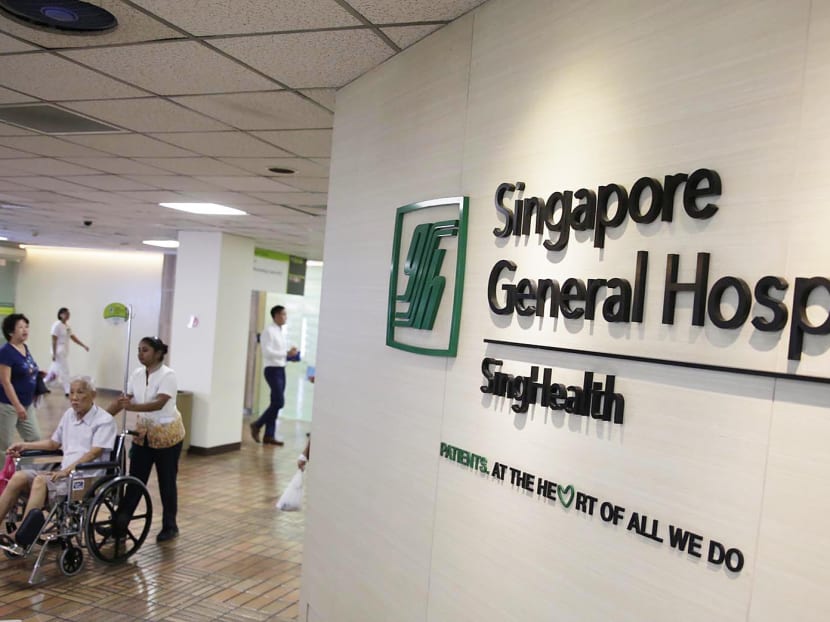
In the wake of the hepatitis C outbreak at the Singapore General Hospital, the taskforce has recommended a surveillance system that can extract laboratory test results to pick up outbreaks in a more timely manner. TODAY file photo

SINGAPORE — Better sharing of information and use of data will be among the tools that Singapore will use to improve its handling of infectious disease outbreaks.
After six months’ work, a taskforce that reviewed the national healthcare system’s ability to detect and manage infectious disease outbreaks in the wake of the hepatitis C outbreak at the Singapore General Hospital last year proposed these in a set of 15 recommendations submitted to the Ministry of Health (MOH) on Friday (July 8).
To pick up outbreaks in a more timely manner, the seven-member taskforce headed by Minister of State (Health) Chee Hong Tat recommended setting up a surveillance system that can extract laboratory test results. When there are positive diagnostic test results, reports from laboratories will be automatically sent to the MOH.
Data analytics should also be beefed up to monitor the infectious disease situation here, detect abnormalities and trigger alerts, the taskforce said, even as it stressed that “physicians in the front line will continue to play a critical role in recognising symptoms and surfacing unusual trends”.
The ministry will also compile data from different sources and design an IT system that triggers warnings if there are abnormalities, so that investigations can promptly begin. The aggregate data will also be circulated to healthcare institutions so that they are aware of goings-on locally.
To encourage a culture of “open reporting”, MOH will implement a system to accept anonymous reports of infectious disease outbreaks and incidents from healthcare professionals.
In order to “establish clear accountability”, the Communicable Diseases Division (CDD) of MOH has been designated as the clearinghouse, responsible for overseeing the surveillance of all infectious diseases and outbreak reporting.
The MOH said it would strengthen the CDD’s resources so that it can do this job in an increasingly connected and complex environment, where emerging infectious diseases spread across borders, and through animals and food.
Other recommendations include those that had been implemented earlier, such as the setting up of a 13-member National Outbreak Response Team in March that will deal with an outbreak as directed by the MOH’s Director of Medical Services.
The list of notifiable infectious diseases will also be expanded from the current 43 to include six more diseases — botulism, tetanus, leptospirosis, murine typhus, rabies and Japanese encephalitis.
In addition, MOH said it has modified its processes to allow doctors to notify MOH via multiple modes such as online platforms and phone. Doctors will notify MOH of each case only once, without having to duplicate the notification from laboratories.
A National Centre of Infectious Diseases will also be set up in 2018.
Doctors TODAY spoke to welcomed the recommendations, noting the risk of outbreaks happening in an increasingly connected world.
Infectious disease specialist Dr Leong Hoe Nam at Mount Elizabeth Hospital said the greater ease of notification spelt a “good step forward”.
He also welcomed the sharing of information among different doctors. He cited how several infectious disease doctors were on alert after they saw more Group B Streptococcus cases than usual, and later came together to compare against past records.
“With IT, this is a good way where we can (tap on) the system to get inputs from many other doctors and collectively see the whole of Singapore,” said Dr Leong. More clinical information such as blood test results could be shared among GPs and private doctors to help detect outbreaks, he added. “Bacteria exploits human weakness because of greater connectivity... Our defense is to become more connected in data and sharing.”
Gastroenterologist and hepatologist Dr Desmond Wai said the current online platforms make it “easy” for doctors to notify in the event of a suspected outbreak.
The authorities could look at training IT staff to analyse trends and patterns — such as if they discover clusters in patients living in the same block — before notifying healthcare staff.
Dr Wai said that given some infectious diseases are difficult to diagnose, doctors need to be “vigilant” to spot anything amiss and check with other specialists on cases they are unsure of.
Stay in the know. Anytime. Anywhere.

Subscribe to our newsletter for the top features, insights and must reads delivered straight to your inbox.
By clicking subscribe, I agree for my personal data to be used to send me TODAY newsletters, promotional offers and for research and analysis.






