
S$4m study to help Singaporeans manage chronic conditions
SINGAPORE — Between two patients suffering from the same chronic condition, one may be able to continue contributing to society, while the other may develop low self-esteem.
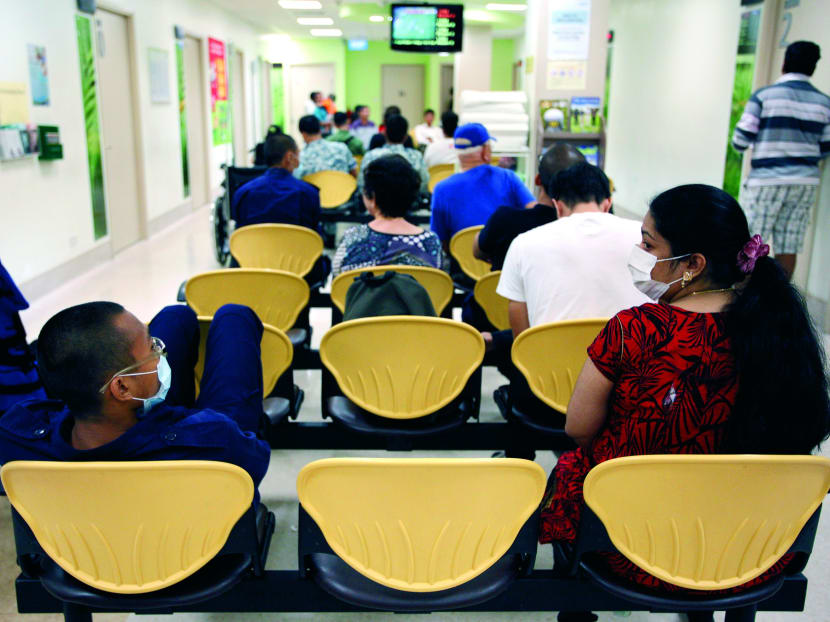
TODAY file photo



SINGAPORE — Between two patients suffering from the same chronic condition, one may be able to continue contributing to society, while the other may develop low self-esteem.
The reason for this disparity in individuals’ “wellness” at the onset of physical health conditions is the subject of a new four-year research.
The S$4 million study comes as the number of Singaporeans needing to manage chronic diseases and complications for a longer period is expected to rise, given the higher life expectancy.
Partnering Stanford University, the Institute of Mental Health (IMH) and the National University of Singapore’s Saw Swee Hock School of Public Health (SSHSPH) will try to find ways to help patients deal more resiliently with changes to their health, such as through workplace culture or in community healthcare.
The study findings, said IMH chief executive Chua Hong Choon, could bring about “a paradigm shift” for public health to go beyond disease prevention.
He cited how some patients can be physically ill yet remain “well” — being at peace mentally and resilient, and continuing to contribute to society — while some develop low self-esteem and suffer breakdowns.
“It’s nothing to do with the symptoms of schizophrenia or cancer,” said Dr Chua.
“It’s something else ... If we can unlock the secrets (of wellness), maybe more of us can be more like those people we see — to have so many sicknesses, be terminally ill — (who) somehow (are still) able to enjoy and have a rich life; experience wellness to our very last day.”
Dr Chia Kee Seng, dean of SSHSPH, added that patients could do with more help in taking greater ownership of managing their medical conditions.
“Now we manage patients by giving tablets, injections or through surgery. We ‘medicalise’ illnesses too much,” he said.
“We want to find out beyond risk factors; factors that actually improve wellness, so that we can promote them (and) raise them to the awareness of policymakers.”
For instance, this could involve recommending that the Manpower Ministry promote healthy work habits, going beyond merely prevention of accidents, he said.
Employers could also play a more active role to inculcate good work habits in the first 10 years of a young person’s work life, so that they can work longer and be more productive.
The study will be led by Associate Professor Rob van Dam from SSHSPH. The researchers will review the cases of 10,000 participants.
To evaluate wellness, they will look at these patients’ social connectedness, emotional health, stress, creativity, spirituality, meaning and purpose in life, and sense of self. WONG PEI TING
Stay in the know. Anytime. Anywhere.

Subscribe to our newsletter for the top features, insights and must reads delivered straight to your inbox.
By clicking subscribe, I agree for my personal data to be used to send me TODAY newsletters, promotional offers and for research and analysis.






