
Singapore Zoo to launch campaign on rhino conservation
SINGAPORE — Beyond being used for perceived medicinal purposes, the rhinoceros horn has become a status symbol and is also being used a “hangover cure” after a night of heavy drinking by the affluent in South-east Asia, recent studies have shown.






SINGAPORE — Beyond being used for perceived medicinal purposes, the rhinoceros horn has become a status symbol and is also being used a “hangover cure” after a night of heavy drinking by the affluent in South-east Asia, recent studies have shown.
All these have further threatened rhinos, with last year being a record set for rhino poaching in South Africa. Home to around 75 per cent of the world’s total rhino population, 1,004 rhinos were killed in South Africa last year — and more may be killed this year, exceeding 2013’s record.
To raise awareness on the plight of rhinoceroses in the wild and to stamp out the illegal trade of rhino horns, the Singapore Zoo is launching a month-long rhino conservation awareness campaign that starts tomorrow (Sept 20). This campaign will be held in conjunction with World Rhino Day (Sept 22), said Wildlife Reserves Singapore (WRS) in a statement today.
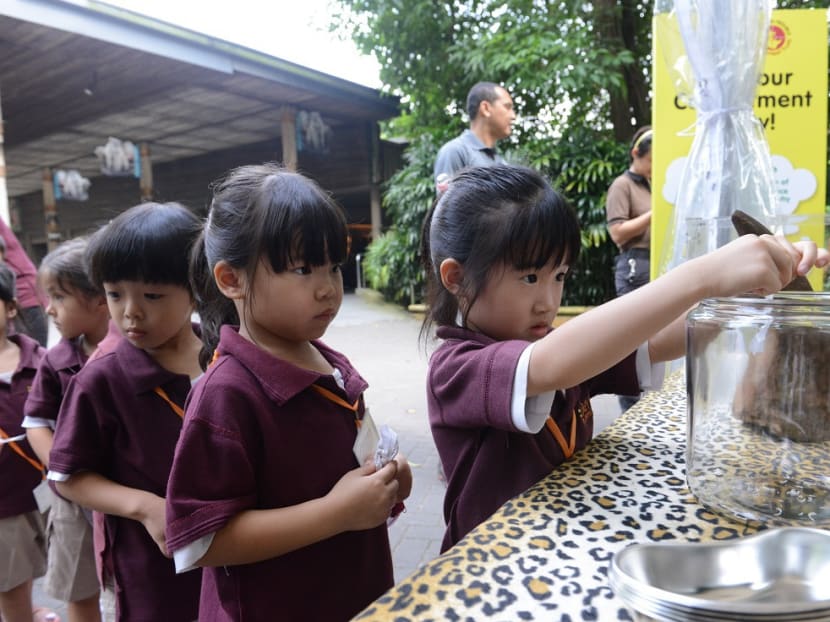
As part of the campaign, named Rhinos in Trouble: The Hornest Truth, visitors to the zoo are encouraged to donate their nail clippings to symbolise their commitment to rhino conservation. Rhino horns are made of keratin, a material also found in human hair and nails — and science has proven that the rhino horn is only as useful as a medicine as human hair and nails are. Nonetheless, international trade of rhino horns is thriving despite being made illegal since the ‘80s.
The Singapore Zoo is working closely with TRAFFIC Southeast Asia and Wildlife Conservation Society (Vietnam) to stop this illegal trade, said WRS.
Ms Claire Chiang, WRS Chairman said: “We urge the public to refuse any rhino horn or rhino horn products should they be offered any, and to please inform all their friends and relatives to do the same. If we don’t buy the product, demand will fall, and rhinoceroses will not suffer needless deaths. Together, we have to, and we can, ensure there is a future for these magnificent creatures.”
While the trade of endangered species and animal parts is strictly regulated in Singapore, there remains cases where its ports are used as transit points. On Jan 10, eight pieces of rhinoceros horns weighing a total of about 21.5kg were confiscated at Changi Airport by Singapore authorities.
Mr David Seow, Secretary General of the Singapore Chinese Druggists Association, urged Singaporeans to comply with the Government’s ban on the sale of any rhinoceros products and said there are many alternative medicinal material and products that can replace rhinoceros horns.
Members of Singapore Chinese Druggists Association also fully support international conservation agreements and efforts to save the rhinoceros from extinction, said WRS.
Stay in the know. Anytime. Anywhere.

Subscribe to our newsletter for the top features, insights and must reads delivered straight to your inbox.
By clicking subscribe, I agree for my personal data to be used to send me TODAY newsletters, promotional offers and for research and analysis.






