
SPCA to roll out stray cat sterilisation programme
SINGAPORE — In a bid to further reduce the stray cat population in Housing and Development Board (HDB) estates, the Society for the Prevention of Cruelty to Animals (SPCA) will from next Monday (June 1) offer free sterilisation and microchipping of stray cats living in HDB estates.
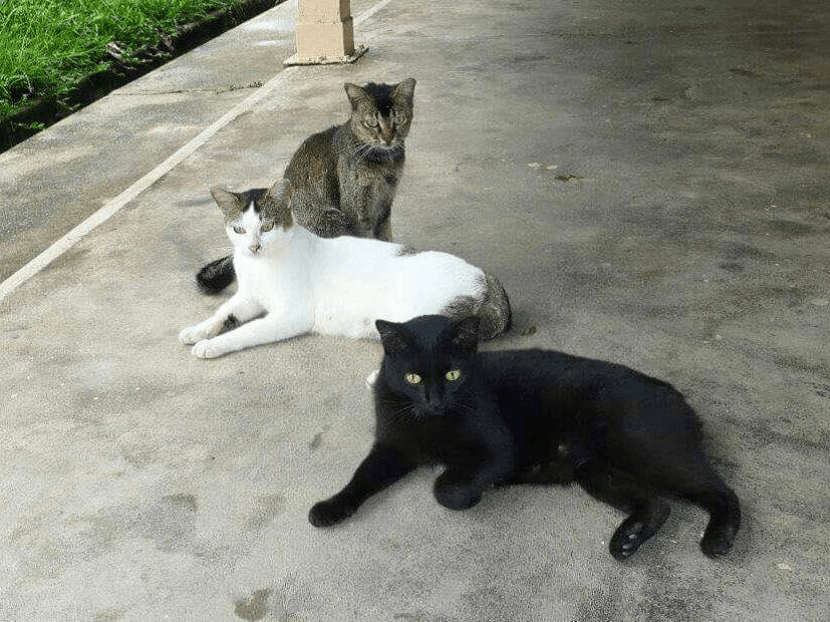
Photo: SPCA Singapore

SINGAPORE — In a bid to further reduce the stray cat population in Housing and Development Board (HDB) estates, the Society for the Prevention of Cruelty to Animals (SPCA) will from next Monday (June 1) offer free sterilisation and microchipping of stray cats living in HDB estates.
The programme will replace the SPCA’s existing sterilisation voucher scheme, which offers free sterilisation vouchers to the public and other animal welfare groups
Under the Stray Cat Sterilisation Programme, first formally launched in 2011 by the Agri-Food and Veterinary Authority (AVA), caregivers will have to register with the SPCA clinic to book an appointment for sterilisation and microchipping, or do so at a participating veterinary clinic, said the SPCA in a press release today. The costs will be funded by the SPCA and AVA equally.
Cats living outside of HDB neighbourhoods, such as those in industrial and private housing estates, or farms and outer fringe areas, can be sterilised for S$25 each.
On replacing the current voucher scheme, which started in 1991, Ms Corinne Fong, Executive Director of the SPCA, told TODAY that the organisation decided to streamline its sterilisation operations, instead of running two programmes. The SPCA has distributed more than 33,000 free sterilisation vouchers to the public and other animal welfare groups under the existing scheme, totalling S$1.2 million borne by the SPCA.
Ms Fong said the new programme would be more efficient because the SPCA would have direct communication with stray feeders, while the current scheme does not provide the SPCA with the feeders’ identity or information such as their contact numbers.
“The SPCA believes inworking closely with the relevant caregivers/feeders of the community cats, helping the caregivers/feeders to be more accountable and take greater ownership of the respective cats in their care,” she said. “By ‘tagging’ each community cat sterilised under the (new programme) to its respective caregiver/feeder, that cat can be better traced to the latter as and when there are issues to do with it, for example, when it has been reported in need of seeking treatment for its injury, we can alert the caregiver. In many cases, when cats are not microchipped and thus not tagged to a caregiver/feeder, we aren’t able to locate the person.”
The SPCA also said it would train its volunteers and mediators to work with community feeders to encourage sterilisation, responsible feeding and public education.
The organisation will continue to assist stray dog feeders with controlling and managing the stray dog numbers. Individual feeders and rescuers can arrange to sterilise and microchip the dogs at the SPCA clinic at a subsidised rate of S$25 each, said the SPCA.
Stay in the know. Anytime. Anywhere.

Subscribe to our newsletter for the top features, insights and must reads delivered straight to your inbox.
By clicking subscribe, I agree for my personal data to be used to send me TODAY newsletters, promotional offers and for research and analysis.






