
Tougher penalties proposed to MND for animal abusers
SINGAPORE — Harsher penalties for animal abuse, a minimum age and pre-sale screening for pet buyers — these are some of the recommendations of the Animal Welfare Legislation Review Committee, which submitted its report to the Ministry of National Development yesterday, following a year-long review.
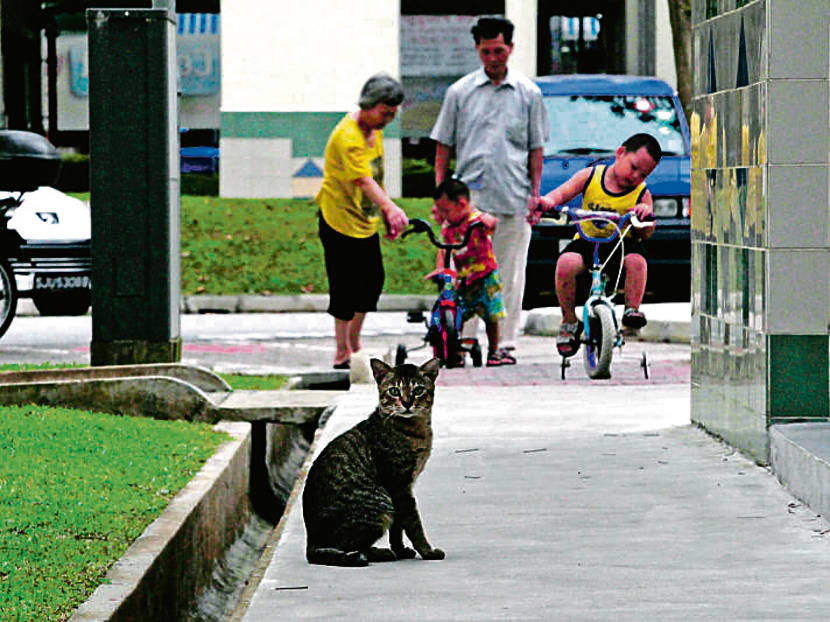
New cat owners will have to go through an interview and home visit before they are allowed to own a cat. TODAY FILE PHOTO

SINGAPORE — Harsher penalties for animal abuse, a minimum age and pre-sale screening for pet buyers — these are some of the recommendations of the Animal Welfare Legislation Review Committee, which submitted its report to the Ministry of National Development yesterday, following a year-long review.
Chaired by Member of Parliament (Ang Mo Kio GRC) Yeo Guat Kwang, the committee represents various stakeholders such as community leaders, animal welfare groups, vets and members from the pet industry.
It was formed last year as part of efforts to better protect animals, in light of continued abuse cases.
National Development Minister Khaw Boon Wan, who tasked Mr Yeo to chair the committee, said on his blog yesterday that his ministry will carefully study the committee’s recommendations and see how they can collectively raise the bar for animal welfare here.
“My instinct is that our law may need to be updated but this is an area which the Government alone cannot deliver a good outcome,” he noted.
Mr Yeo said he is confident that the report is feasible as it has input and support from stakeholders.
“It’s a practical and well-rounded report as we are able to address most of the concerns and, at the same time, everyone is on board,” he said.
One issue that the report addressed is the penalty for animal abuse.
Currently, the maximum fine for animal abuse is S$10,000 and a one-year jail term.
The committee recommended that the penalty be doubled for offenders who are deemed to have had malicious intent when hurting the animal. It also called for a maximum fine of S$50,000 and/or a three-year jail term to be imposed on repeat offenders.
Mr Yeo said these penalties are meant to send a strong deterrent message and are benchmarked against those in countries such as Australia and New Zealand.
According to the Agri-Food & Veterinary Authority, over the last three years, six cases of animal abuse were heard in court and the average fine imposed per offence charged was S$4,250. In three of these six cases, the offenders could not pay the fines and were jailed for five to 10 weeks.
A lack of leads and concrete evidence to prosecute cases of animal cruelty are factors that hamper efforts to reduce animal abuse, stated the report.
To address this, it recommended initiatives to encourage witnesses to step forward to assist in investigations and to testify in court.
Ms Veron Lau from the Cat Welfare Society welcomed the recommendations, but admitted that enforcement was a big barrier to cases proceeding to court.
“I would suggest having fines at more increments and allowing the authorities to have the power to fine people who, for example, do not pick up after their dogs or allow their cats to roam,” said Ms Lau.
Other recommendations include a minimum age of 16 for pet buyers in order to curb impulse buying, and that pet shops which do not comply face a fine of up to S$5,000.
Currently, there is no age limit for pet ownership.
The committee also recommended making it a requirement for all pet-related operators to be trained and for the licensing of commercial pet breeding activities and pet boarding facilities.
Stay in the know. Anytime. Anywhere.

Subscribe to our newsletter for the top features, insights and must reads delivered straight to your inbox.
By clicking subscribe, I agree for my personal data to be used to send me TODAY newsletters, promotional offers and for research and analysis.






