
UniSIM, SIT to launch full-time degree programmes
SINGAPORE — The Republic’s fifth and sixth universities will launch their full-time undergraduate programmes next year with 200 students each, as part of the Government’s push to increase the number of university places to meet growing demand for higher learning among Singaporeans.
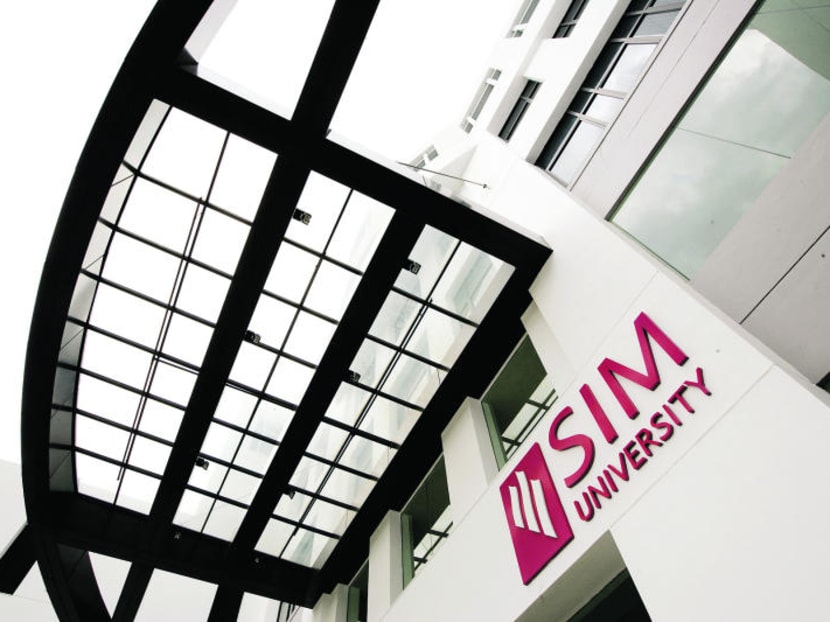
TODAY file photo.

SINGAPORE — The Republic’s fifth and sixth universities will launch their full-time undergraduate programmes next year with 200 students each, as part of the Government’s push to increase the number of university places to meet growing demand for higher learning among Singaporeans.
And these programmes by the Singapore Institute of Technology (SIT) and SIM University (UniSIM) will take a “very different structure from other university degree programmes”, said Education Minister Heng Swee Keat, who unveiled key features of the universities’ frameworks yesterday.
The new programmes make up the thrust of an “applied-learning” pathway, which serves to connect academic skills and knowledge to the real world.
Speaking at the opening session of UniSIM’s convocation, Mr Heng said there had been strong interest from students and parents for the Education Ministry to launch the applied degree pathway as soon as possible, after plans for more university places were first announced during the National Day Rally last year.
“But my ministry first worked extensively with both UniSIM and SIT to be sure our starting slate of new programmes is a solid one that will give the pioneer group of students an education that they will be proud of,” he said.
Last year, Prime Minister Lee Hsien Loong had announced that by 2020, 40 per cent of each school-going cohort will be able to have a university education, up from the current 27 per cent.
The annual intake would be increased by 3,000 places, up from the current 13,000 to 16,000.
The bulk of these places will come from SIT’s and UniSIM’s new programmes. The former will be launching programmes in engineering, information and communications technology and accountancy next year, while UniSIM will offer programmes in accountancy, finance and marketing. Both universities are set to announce more details in the coming week.
A key feature of the programmes would be a “structured work attachment” which Mr Heng stressed would be different from those currently offered by other universities.
“They will generally be longer and will offer a deeper immersion than current attachment programmes at our universities,” he said. “This way, our students will be able to take on fuller, more meaningful projects at the organisations to which they are attached.”
Students will also take on an applied-learning project based on work-related issues “gleaned directly from their work attachments”. However, classroom curriculum would still be an “anchor” of the university experience, “so students develop strong theoretical foundations in their chosen fields of specialisation”, he said.
Each university will also work on developing a niche. SIT will aim to develop specialists with “deep technical expertise” in science and technology, while UniSIM will become “the place for young people keen to take up programmes in business (and) human and social service, among others”.
“With these opportunities, graduates of the applied-degree pathway will (be prepared) to put theory into practice, and bring with them a set of skills and experience that will make them effective in their jobs or whatever endeavours they choose to pursue,” said Mr Heng.
UniSIM currently runs part-time programmes for adult learners, while SIT offers niche degrees from foreign universities. Both institutions emphasise practice-oriented teaching.
Addressing graduands at the ceremony yesterday, Mr Heng said: “Many more of our young will soon benefit from an intensive, purposeful university experience like what you yourselves had. If they seize these new opportunities with the same commitment and dedication, we can expect new and interesting models of success to emerge from this new applied-degree pathway.”
Stay in the know. Anytime. Anywhere.

Subscribe to our newsletter for the top features, insights and must reads delivered straight to your inbox.
By clicking subscribe, I agree for my personal data to be used to send me TODAY newsletters, promotional offers and for research and analysis.






