
Sunflower founder, rock star join ranks of new lawmakers
TAIPEI — Beijing not only has to contend with a new President in Taiwan who is wary of relations with China, but also a fresh batch of activists-turned-lawmakers from the island’s boisterous Sunflower Movement.

TAIPEI — Beijing not only has to contend with a new President in Taiwan who is wary of relations with China, but also a fresh batch of activists-turned-lawmakers from the island’s boisterous Sunflower Movement.
Protesters from the student-led movement that dramatically occupied the island’s Parliament in 2014 over a trade pact with Beijing, have taken their first step into mainstream politics after winning seats in parliamentary elections over the weekend.
The activists’ success came on the night Taiwan voted in its first female President, Dr Tsai Ing-wen of the main opposition Democratic Progressive Party (DPP), which has traditionally campaigned for the island’s independence.
Both Dr Tsai and the protesters’ victory is symbolic of growing public resistance to Beijing after a rapprochement under outgoing president Ma Ying-jeou of the China-friendly Kuomintang (KMT), which has sparked fears Taiwan’s sovereignty is being eroded.
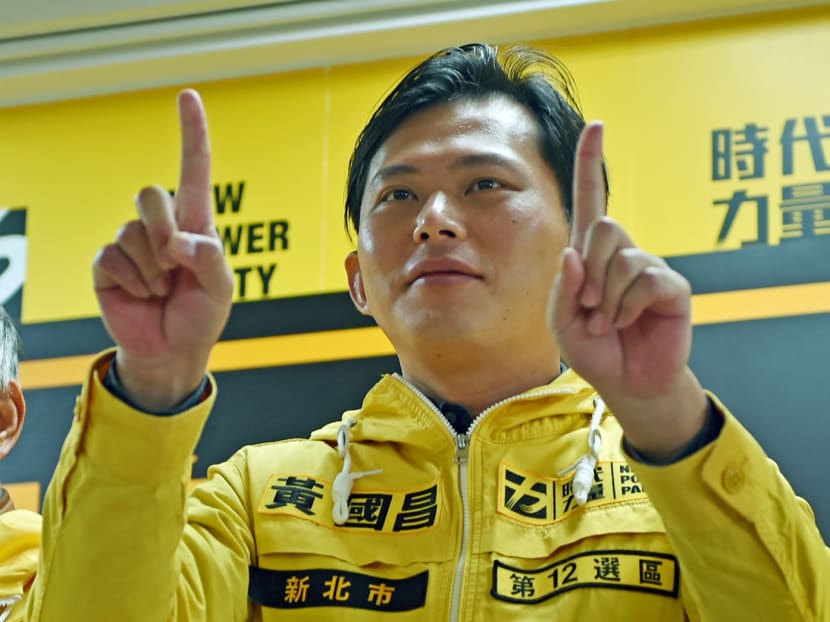
“It’s our first election battle and we have a long way ahead of us,” said Mr Huang Kuo-chang, an academic and leader of the Sunflower Movement who became a lawmaker on Saturday.
His New Power Party (NPP) grew out of the protests and won five seats in Parliament, making it the third-largest in the legislature. “The NPP will not forget the principles of the Sunflower Movement. We will never compromise,” said Mr Huang, 42.
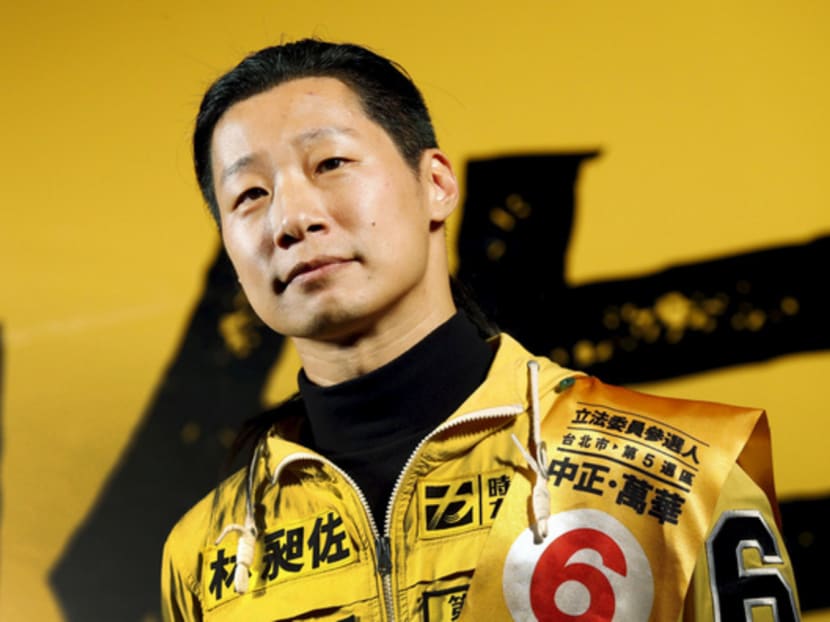
Rock star Freddy Lim, 39, was also among the successful NPP candidates, unseating a veteran KMT lawmaker in Taipei. The tattooed death metal singer grabbed headlines with his screaming, headbanging campaign concerts ahead of the vote. “I’m the first rocker in Asia to go to Parliament,” he said. “This election shows anyone has the right to go into Parliament to promote a better Taiwan.”
Taiwan has been a self-ruling democracy since splitting with China in 1949 after a mainland civil war, but has never formally declared independence. Beijing still sees it as part of its territory, awaiting unification — by force if needed.
Resentment towards the KMT over its China policy and Taiwan’s economic woes saw it haemorrhage seats on Saturday. The DPP gained a majority for the first time, surging from 40 to 68 seats out of a total of 113. The KMT went from 64 to 35.
For Mr Huang, victory is a chance to stand up for Taiwan.
“I call on China that if it wants to push forward ties with Taiwan ... they have to respect Taiwanese people who want to maintain their way of life, and respect Taiwanese people’s right to decide their future,” he said. AFP
Stay in the know. Anytime. Anywhere.

Subscribe to our newsletter for the top features, insights and must reads delivered straight to your inbox.
By clicking subscribe, I agree for my personal data to be used to send me TODAY newsletters, promotional offers and for research and analysis.






