
Thai protesters storm army headquarters
BANGKOK — About 1,500 anti-government demonstrators forced their way into the compound of Thailand’s army headquarters yesterday — the latest escalation in a citywide demonstration seeking to topple Prime Minister Yingluck Shinawatra — as the main protest leader threatened that the government would fall tomorrow.
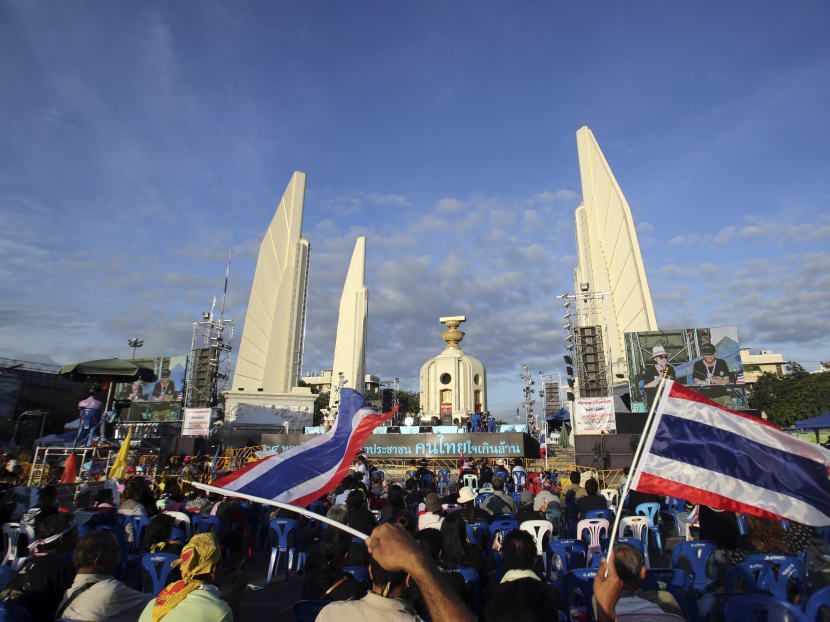
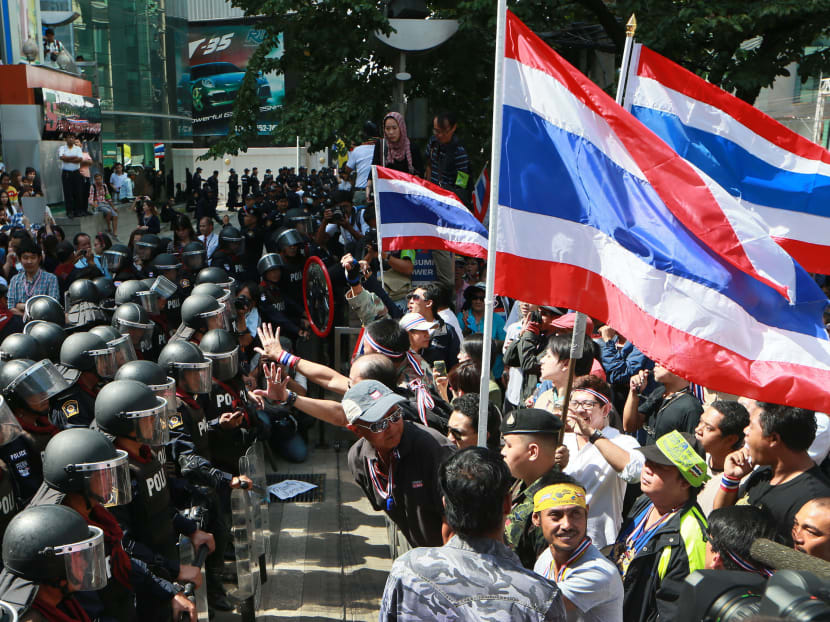

BANGKOK — About 1,500 anti-government demonstrators forced their way into the compound of Thailand’s army headquarters yesterday — the latest escalation in a citywide demonstration seeking to topple Prime Minister Yingluck Shinawatra — as the main protest leader threatened that the government would fall tomorrow.
In another district, about 1,000 people gathered outside the headquarters of Ms Yingluck’s ruling party, shouting: “Get out, get out.” Hours later, protesters dispersed peacefully from both places.
In a letter addressed to the military chief, the protesters at the army headquarters stopped short of calling for a coup. However, they urged military leaders to “take a stand” in Thailand’s spiralling political crisis and state which side they are on.
After forcing open the compound’s wrought-iron front gates, protesters swarmed inside as about 100 soldiers stood guard. Hundreds watched from the balconies of the building.
Although the army moved its main command centre to a military camp in Bangkok’s northern suburbs three days ago, the siege of the Royal Thai Army compound by protesters is deeply symbolic and highlights the military’s pivotal role in a country that has seen 18 successful or attempted coups in the past 80 years.
The most recent was in 2006, when the military ousted Ms Yingluck’s brother, former Premier Thaksin Shinawatra, who is living overseas to avoid a corruption conviction but is central to Thailand’s political conflict.
The invasion of army headquarters deepens a conflict broadly pitting the urban middle class against the mostly rural supporters of Ms Yingluck and Thaksin. The protesters accuse her of abusing her party’s parliamentary majority to push through laws that strengthen the behind-the-scenes power of her billionaire brother. They have rejected her repeated calls for dialogue.
Ms Yingluck has publicly courted Thailand’s powerful military, which has remained neutral in this bout of protests. “The army wishes all sides to solve the problem with the country’s best interests in mind,” said deputy army spokesman Winthai Suvaree.
In 2008, the military sided with protesters who helped to topple two Thaksin-allied governments, which helps explain why Ms Yingluck appears to have studiously avoided a confrontation during six days of protests against her government.
Asked if she planned to call early elections, Ms Yingluck told the BBC yesterday that she did not think snap polls would solve the country’s problem. “You have to ask (if) the protesters (would be) satisfied or not.”
She has also ruled out resigning and has said she would not authorise the use of force against protesters occupying government ministries.
Protest leader Suthep Thaugsuban, a former Deputy Premier, told his supporters yesterday to increase the pressure and target main state buildings tomorrow, including the police headquarters and the Government House, where Ms Yingluck’s offices are located.
“Don’t wait for anyone. Every heart that loves this country must stand up together and execute our mission as one,” Mr Suthep told a massive crowd. “On Sunday, brothers and sisters, we will announce our victory and our defeat of the Thaksin regime.”
The police said yesterday they were increasing security around key government and royal buildings, citing intelligence reports of possible violence.
Democrat leader Abhisit Vejjajiva, former Prime Minister of a military-backed government that Ms Yingluck routed in a 2011 election, joined the protests yesterday along with other senior Democrats, including former Finance Minister Korn Chatikavanij.
Mr Korn and other protesters marched to the United States Embassy and delivered a letter which he said “explained our political situation” and emphasised Thailand “has a government that is acting above court laws”.
Thaksin or his allies have won every election in the past decade. Ms Yingluck had governed for two years without a major challenge until last month, when her party tried to ram through an amnesty Bill that would have expunged Thaksin’s 2008 graft conviction and cleared the way for his political comeback.
The Senate rejected it, but the protests escalated, switching from a campaign against the amnesty to a bid to bring down the government. AGENCIES
Related topics
thai coupStay in the know. Anytime. Anywhere.

Subscribe to our newsletter for the top features, insights and must reads delivered straight to your inbox.
By clicking subscribe, I agree for my personal data to be used to send me TODAY newsletters, promotional offers and for research and analysis.






