
The Big Read in short: How to get men to take on fair share of parenting?
Each week, TODAY’s long-running Big Read series delves into the trends and issues that matter. This week, we look at the impact of paternity leave and what it would take for men to take on a fair share of parenting. This is a shortened version of the full feature, which can be found here.
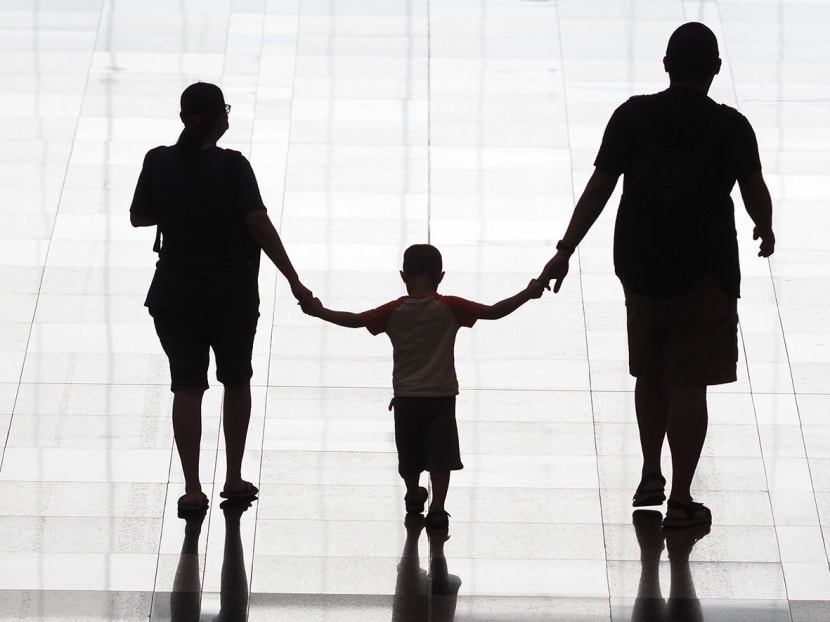
International studies, including those conducted in Singapore, have found positive effects of adequate paternity leave, including longer-term benefits for marital satisfaction and father-child closeness.

Each week, TODAY’s long-running Big Read series delves into the trends and issues that matter. This week, we look at the impact of paternity leave and what it would take for men to take on a fair share of parenting. This is a shortened version of the full feature, which can be found here.
- Parliament recently passed an amendment to the Child Development Co-Savings Act, doubling government-paid paternity leave to four weeks for fathers of Singaporean children born from Jan 1 next year
- International studies, including those conducted in Singapore, have found positive effects of adequate paternity leave, including longer term benefits for marital satisfaction and father-child closeness
- However, some fathers TODAY spoke to expressed the need for a more pronounced change in workplace culture to reduce the stigma against taking paternity leave
- Beyond the workplace, there is also a need for society to rethink traditional gender roles where fathers are seen as the breadwinners while mothers are expected to put family first and careers second


SINGAPORE— A mug of coffee in one hand, and a warmed milk bottle in the other to feed his newborn son as the morning news hummed on the television — this was Mr Khai Asyraf's treasured routine during his two-week paternity leave in 2021.
The 37-year-old managing director recalled his time with his son Khalif: "He's having his milk, I'm having my breakfast, and we're watching the news together — just the two of us. That moment is pretty significant to me, a fresh start to the day, and that's my moment with my son."
Like Mr Khai, Mr Grover — also a newly-minted father — cherished the times he was there to see his two-month-old baby daughter smile, play with her hands and see the world around her. The 35-year-old sales manager, who declined to give his full name, said he would have missed these "precious" milestones and moments if not for his paternity leave.
The issue of paternity leave — which was first introduced in Singapore a decade ago — came under the spotlight again recently when Parliament passed an amendment to the Child Development Co-Savings Act on Sept 19. The change will see government-paid paternity leave double from two to four weeks for fathers of Singaporean children born from Jan 1 next year. The additional two weeks are to be given on a voluntary basis by employers.
%20(4).jpg?itok=480eaWGt)
The amendment seeks to allow fathers to be more involved in caring for their children from the very beginning.
Paternity leave in Singapore was institutionalised in 2013 under the Act amid a rise in dual-career married couples and declining birth rates. At the beginning, working fathers were given one week of government-paid paternity leave. In 2017, this was increased to two weeks.
Prior to the amendments to the Act earlier in September, the Government reimbursed employers a maximum of S$5,000 for two weeks of paternity leave taken by their employees. The enhancements will double the reimbursement limits for employers.
WHY IT MATTERS
Studies conducted internationally and in Singapore have shown that there are many positive ripple effects when fathers play a more active parenting role right from the beginning. One local study, for example, found that paternity leave of two weeks or longer can lead to better family relations, closer relationships between father and child, as well as fewer behavioural problems in children.
Increasing paternity leave in Singapore is "well-warranted" as it allows fathers to be thoroughly engaged in child-rearing, sociologists and psychologists who specialise in parenting and childhood told TODAY. Such involvement, especially in the first few weeks for new parents, will take some burden off the mother, increase marital satisfaction and foster even stronger familial relationships, they said.
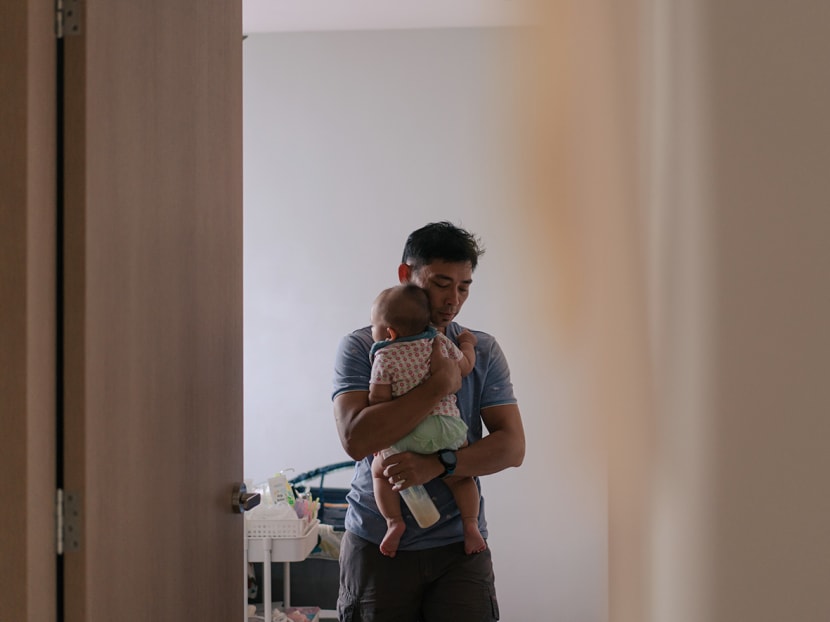
"The paternity leave will enable new fathers to play a more active role in actual caregiving. It also sends a clear signal from the State that greater paternal involvement is encouraged," said Assistant Professor Cheung Hoi Shan from the Nanyang Technological University (NTU).
"This is crucial in helping families strike a good balance when it comes to care work in the home, especially in our predominantly patriarchal society where women's participation in the labour force is also high," she added.
Asst Prof Cheung is from the Psychology and Child & Human Development department at the National Institute of Education, where she studies parenting practices and their influence on children's social development.
Assistant Professor Gerard Chung from the National University of Singapore (NUS), whose work centres on parenting, fathers and family services in the community, said the increase in paternity leave "empowers fathers" to more effectively organise their responsibilities in taking care of their spouse and helping out around the house during the baby's first month.
THE BIG PICTURE
Despite the benefits of paternity leave, only 40 per cent of eligible fathers took the full two weeks each year from 2018 to 2020, according to the Ministry of Social and Family Development in response to a parliamentary question in February this year.
The relatively low take-up rate could be due to the fact that even though some workplaces are supportive of paternity leave, there still exists a stigma against fathers taking paid time off. This has been raised by several Members of Parliament (MPs) over the years, for example.
Some fathers whom TODAY spoke to also said that for them to confidently take the paternity leave they are entitled to, a more pronounced change in workplace culture is needed first.
Such challenges were highlighted during the parliamentary debate on the Child Development Co-Savings Bill (Amendment) on Sept 18, where MPs welcomed the addition of two weeks to paternity leave but also spoke about how fathers face stigma at work.
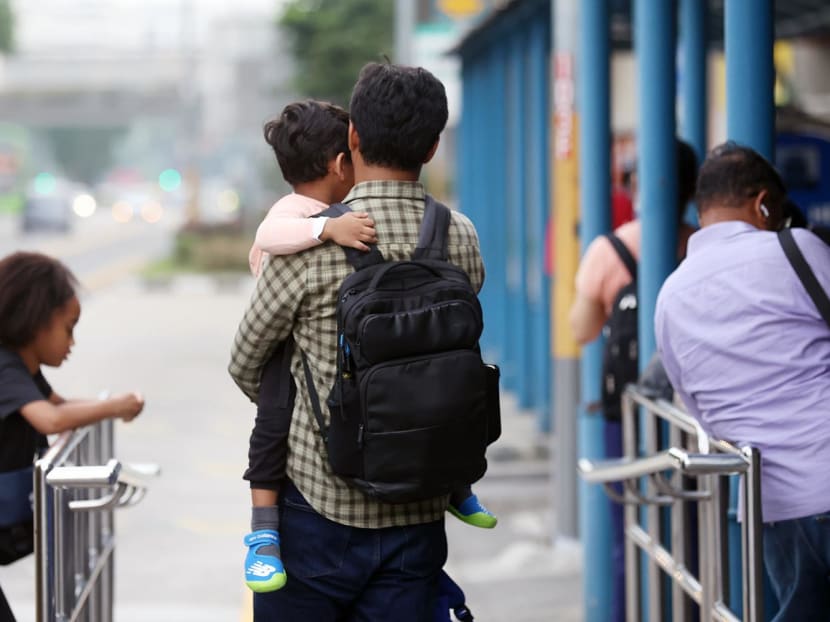
"How many times has the office congratulated a co-worker on the birth of their child but also, in the same breath, complained about how much more productive they need to be as they cover their colleagues' work while they are away on leave?" Ms Yeo Wan Ling (Pasir Ris-Punggol Group Representation Constituency) asked.
THE BOTTOMLINE
To reduce the stigma against paternity leave, employers should normalise the many facets of fatherhood, said NUS' Asst Prof Chung.
"Employers must be convinced that paternity leave will not hurt their bottom line but can, in fact, translate into actual economic benefit for the organisation," she added.
Besides more empathy in the workplace, an increase in paternity leave is also a step towards gender equality when it comes to child-rearing, the experts said.
Asst Prof Cheung from NTU also stressed that the traditional script of husbands as "breadwinners" 'and wives as sole "caregivers" hurts both mothers and fathers and "puts undue burden on both parents".
"The truth is that no one is a born caregiver — fathers and mothers are just as likely to be good caregivers for their children," said Asst Prof Cheung.
Ultimately, for men to take on a fair share of parenting, beyond the first few weeks of welcoming an addition to the family, there needs to be a rethink of traditional gender roles in a family.
Related topics
paternity leave fatherhoodStay in the know. Anytime. Anywhere.

Subscribe to our newsletter for the top features, insights and must reads delivered straight to your inbox.
By clicking subscribe, I agree for my personal data to be used to send me TODAY newsletters, promotional offers and for research and analysis.






