
The Big Read in short: What next for NFTs?
SINGAPORE — Within just two years, the world had seen the value and trading volume of non-fungible tokens (NFTs) rising rapidly, before tumbling almost just as quickly.

NFT artwork CryptoPunk #7923, created by Larva Labs, is displayed in a restaurant at Owen Road.


This audio is AI-generated.
Each week, TODAY’s long-running Big Read series delves into the trends and issues that matter. This week, we look at the rapid rise and fall of non-fungible tokens (NFTs), whether they are due for a comeback and what are the applications of these token outside of investment. This is a shortened version of the full feature, which can be found here.
- Non-fungible tokens (NFTs) have risen and fall quickly in value over the span of two years
- The rise was driven by various factors such as easy money due to low interest rates while the collapse of some cryptocurrency exchanges was a reason for NFTs' decline
- However, with fewer speculators today, there are suggestions that NFTs could be making a comeback
- Industry players are cautiously hoping that NFT prices will rise again, albeit to less extremes
- They also express confidence in the wide applicability of the technology beyond that as an investment vehicle


SINGAPORE — Within just two years, the world had seen the value and trading volume of non-fungible tokens (NFTs) rising rapidly, before tumbling almost just as quickly.
In September 2021, a team of Singaporeans which included then third-year Nanyang Technological University (NTU) student Marc Yap, made headlines for selling all 3,876 units of their NFT digital trading cards, dubbed the Dark Zodiac collection, in an hour.
The digital cards fetched about S$1.4 million in cryptocurrency, which was split among the project partners, it surprised Mr Yap, who was experimenting with NFTs for the first time.
“I really didn’t expect such a good outcome … I thought it had about 40 to 50 per cent chance of succeeding,” said Mr Yap, who was the design director for the project.
Amid the craze, companies such as Nike, Coca Cola, McDonald's also hopped onto the bandwagon, in a bid to find new ways to attract younger consumers.
But the bubble burst within months.
Mr Yap, now 29, told TODAY that his involvement in NFTs soon after Dark Zodiac was not as fruitful and resulted in “a couple of thousands (of dollars) in losses”, somewhat reflective of the market’s change in fortune.
Trading volume for NFT plunged to US$11.8 billion (S$15.9 billion) in 2023, down from US$26.3 billion the year before, according to an industry report by independent cryptocurrency data aggregator CoinGecko.
Another report by crypto news site dappGambl in September last year found that of 73,257 NFT collections it analysed, 69,795 of them have a market cap of 0 Ether (ETH) — referring to the cryptocurrency commonly used to transact such tokens.
This downturn resulted in many media reports comparing it to the Dutch “tulip mania” of the 1630s. Back then, prices of tulip bulbs soared over a few years, to the point where they equalled that of a mansion, according to some estimates, before crashing.
WHY IT MATTERS
For NFTs, the factors behind the fall in prices from their stratospheric levels were aplenty, from the crash of cryptocurrencies, which are used to buy these digital tokens, to the cooling down of the initial euphoria, business experts and industry players told TODAY.
But there may still be life yet in NFTs, with media reports in recent months discussing their possible resurgence.
For example, recent reports from business publication Forbes and crypto industry news site Coindesk highlighted that major companies and brands are experimenting with NFTs as digital collectibles, while buyers of some NFTs are also given real-world products or benefits.
Meanwhile, a museum in Paris sold two Van Gogh-inspired NFTs for US$2.5 million in October 2023, about a year after the end of the NFTs’ bull run.
In Singapore last year, a fast-food restaurant and a magazine were giving away NFTs as part of their brand experience, also after the bull run.
TODAY’s interviews with those familiar or involved with NFTs reflected a sense of measured confidence in these tokens’ future.
While prices might not reach the lofty heights seen in 2021 or 2022, these tokens could still see an appreciation in value, especially among the projects that have managed to survive the bear market and are backed by teams with active plans on providing value to token holders.
It is also helpful that some speculators who had jumped in amid the initial novelty and hype of NFTs have been “flushed out”, said some industry players. A reduction in speculative activities would further stabilise NFTs in the long run, they added.
Beyond trading, the technology underpinning NFTs can have widespread use too, the industry players said, not least in the digital art space.
THE BIG PICTURE
Singapore brick-and-mortar brands, too, are getting involved in NFTs. Most of these businesses use NFTs as a marketing tool, with some having jumped on the bandwagon at the height of the hype.
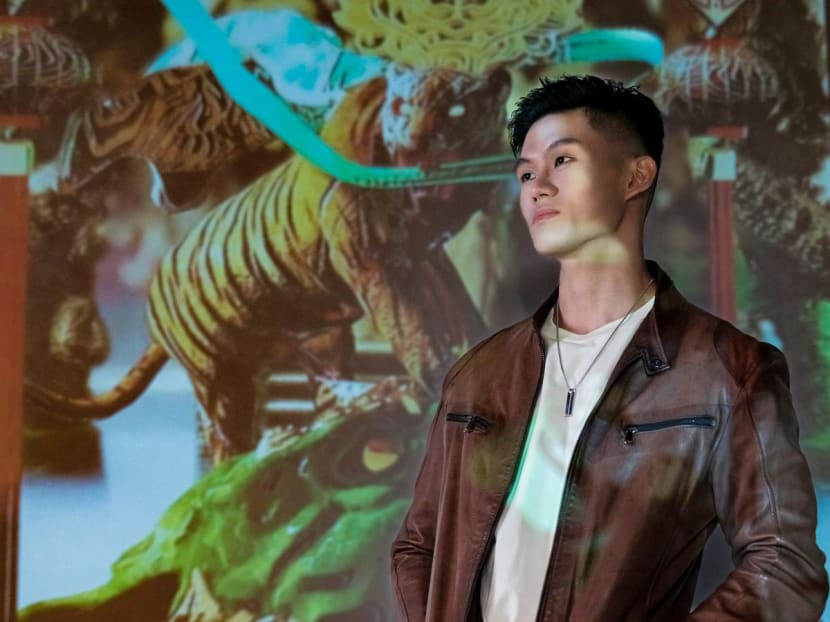
Fashion brand Love, Bonito collaborated with a digital artist in January 2022 to launch an NFT dubbed Tiger Bloom, with part of the funds raised channelled to charity.
Post-hype, Vogue Singapore magazine launched Love Chain NFTs in February 2023, which gave holders access to its metaverse.
McDonald’s Singapore launched free NFTs of its Grimace characters in August 2023, promising exclusive perks for holders, without giving details.
Ms Bhavna Monga from EY-Parthenon, the global strategy consulting arm of professional services firm EY, said: “Some consumer products and retail businesses are looking to explore the usage of NFTs as a means to engage an increasingly digital-oriented customer base. Some enterprises integrate NFTs into their marketing strategy, while others design business models around them.”
“This heightened involvement has the potential to make NFTs more mainstream,” added Ms Bhavna, who is partner for financial services strategy and transactions at the firm.
Past price performance notwithstanding, industry observers and players are cautiously optimistic about NFTs’ prospects as investments.
Ms Bhavna says that an increased corporate interest, expanded use cases for NFTs and greater regulatory clarity might drive future growth in the demand for NFTs.
“Regulators, like those in Hong Kong and the European Union, are beginning to create and refine frameworks to address concerns surrounding digital assets, such as intellectual property rights, consumer protection, and fraud protection. This provides clarity and fosters trust for both consumers and businesses,” she said.
Then-Senior Minister Tharman Shanmugaratnam, in a parliamentary reply in February 2022, said that the Monetary Authority of Singapore (MAS) does not currently regulate NFTs given the nature of their underlying assets, typically tokenising digital art and other collectibles.
However, the authority “looks through” the underlying characteristics of the token to determine if it is to be regulated.
“Should an NFT have the characteristics of a capital markets product under the Securities and Futures Act, it will be subject to MAS’ regulatory requirements.”
He reiterated MAS’ oft-repeated caution that investment in digital tokens, including NFTs, are not suitable for retail investors.
“For NFTs in particular, their perceived uniqueness, combined with speculative demand, has served to inflate prices. This potentially puts investors at risk of outsized losses should speculative fervour abate.”
BOTTOM LINE
If there is one thing that all who spoke to TODAY agreed on, it is the applicability of NFTs and its underlying technology beyond investments.
NFTs have a unique digital signature that exists on a public ledger called a blockchain, which keeps a record of all the transactions relating to the NFT without the risk of tampering.
This digital signature means that every NFT is unique, with no two being alike, thus allowing someone to establish ownership of almost anything, from digital art images to videos as well as cars and real estate.
Another example of an application is the "fractionalisation" of physical art, to make it possible to invest in fine art with limited funds. To do this, an expensive piece of art can be tokenised into many NFTs, with each NFT representing partial ownership of the art piece.
Ms Tryphena Ellaces Tay, co-founder of non-profit community SG NFT Creators, said her involvement in NFTs had been mainly driven by creative reasons.
“While I may not have been an active trader, I derived pleasure from immersing myself in the intricacies of (NFT) project white papers and experimenting with their websites,” said Ms Tay.
A project white paper covers all the key information necessary to plan a project's ecosystem.
“The allure of the NFT space lies in its promising future, driven by technology that prioritises flexibility and privacy over speculative value. Beyond the recent industry fluctuations, the underlying NFT technology is empowering individuals to securely manage their digital assets and creative works.”
Assistant professor in finance at the National University of Singapore Ben Charoenwong said that there will always be value for the decentralised nature of NFTs, which allows for “anonymous and unfettered access to the assets and some online communities”.
“So I think NFTs will have some future. However, I would expect it to be much smaller than we think, and definitely much smaller than what the sentiment was in 2021.”
Related topics
NFTs cryptocurrencies blockchain the big readStay in the know. Anytime. Anywhere.

Subscribe to our newsletter for the top features, insights and must reads delivered straight to your inbox.
By clicking subscribe, I agree for my personal data to be used to send me TODAY newsletters, promotional offers and for research and analysis.