
Introducing the next meal-time hotspot: 7-Eleven
SINGAPORE — Succulent chicken braised in soya sauce, well-blended sour-and-spicy chilli sauce, fragrant rice cooked in chicken stock, ginger and pandan leaves, with just the right amount of oil. The quintessentially Singaporean dish, chicken rice, now finds itself at the core of 7-Eleven’s strategic game plan as the convenience store giant strives to remodel its business, with a keen focus on its ready-to-eat aisle.
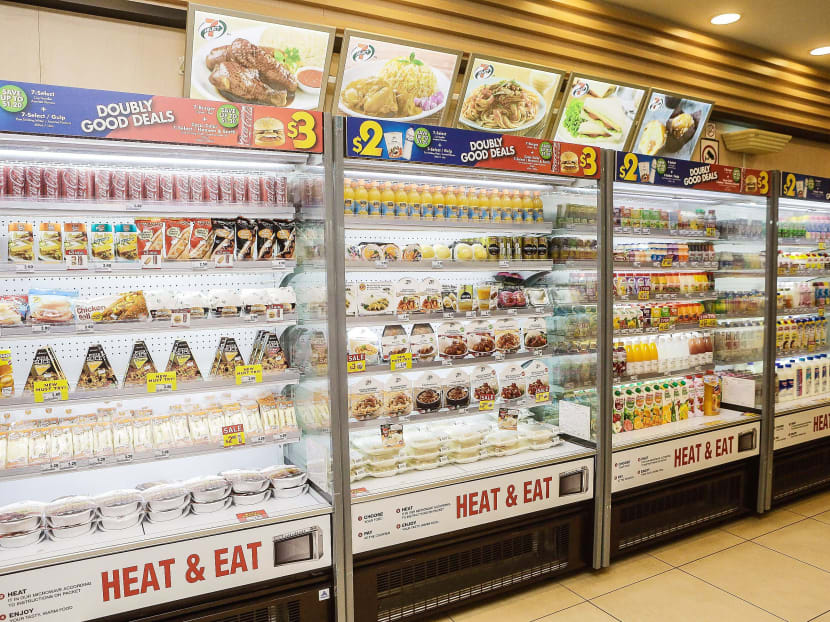
SINGAPORE — Succulent chicken braised in soya sauce, well-blended sour-and-spicy chilli sauce, fragrant rice cooked in chicken stock, ginger and pandan leaves, with just the right amount of oil. The quintessentially Singaporean dish, chicken rice, now finds itself at the core of 7-Eleven’s strategic game plan as the convenience store giant strives to remodel its business, with a keen focus on its ready-to-eat aisle.
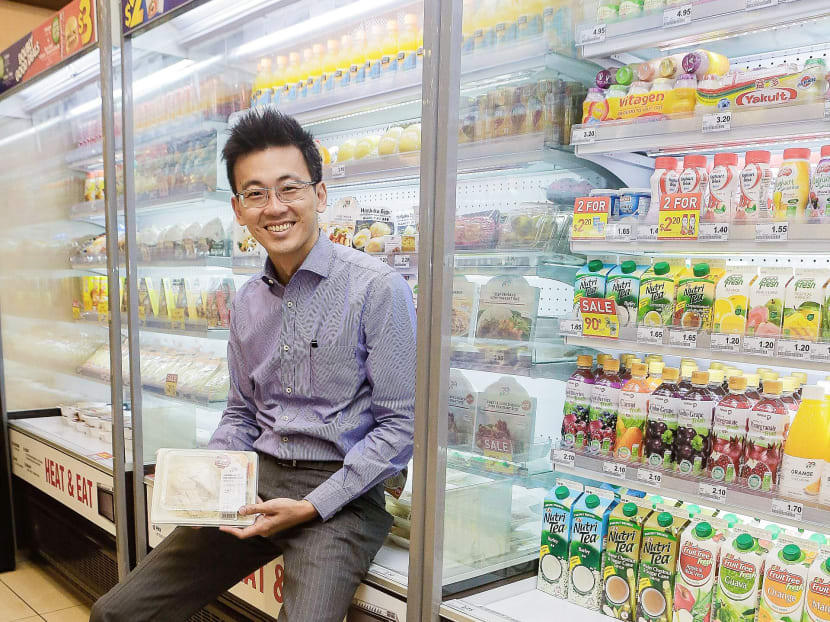
“We quietly tested it in two stores last month, and it has sold four times more than our bestseller,” Mr David Goh, chief executive officer of 7-Eleven, told TODAY. “It is the first product launch under our ‘change in direction’ business plan. Our renewed focus on ready-to-eat meals is the key pillar of our new business strategy.”
This focus on ready-to-eat meals takes a strong leaf out of the store’s counterpart in Japan, where 7-Eleven is one of the top three players in the ready meals market. In addition to stocking a 24/7 selection of bento boxes, onigiri, sushi, ramen sandwiches and other prepared meals, Japan’s 7-Eleven even offers a meal delivery service via its website, 7meal.
Given the trend towards busier lifestyles in Singapore, strong consumer appreciation of the convenience of ready meals will ensure that retail volume sales growth remains robust here, Euromonitor noted in a report in April.
“Earlier, we used to go with our meal producers’ ideas on new launches, but this time we looked at what locals are eating every single day. We went around looking for the best chicken rice in Singapore, tasted lots of it with experts ... (and) created a better-quality version of it than what is available at coffee shops and hawker centres,” added Mr Goh. By the end of September, the ubiquitous dish of local hawker centres, restaurants and even some high-end hotel cafes will be rolled out in 100 7-Eleven stores, and in all stores come November.
The bid to become Singapore’s next meal-time hotspot comes amid challenging times for 7-Eleven, which — faced with a tight labour market, high rentals and more stringent liquor regulations — has shuttered about 60 stores in the last two years.
7-Eleven, which is the largest player in the convenience store space with a market share of about 60 per cent, currently operates about 500 stores, down from its peak of 600 stores five years ago.
“In the last few years, we have closed more stores than we (have) opened,” said Mr Goh. “This has now stabilised. Having consolidated and redeployed resources, we may be opening as many, if not more, stores than we closed over the next couple of years.”
7-Eleven was hit hard when the new liquor laws restricting the retail sale and public consumption of alcohol were introduced in April.
“Overnight, we saw a 30 per cent decline in alcohol sales,” said Mr Goh. “Some of our franchises handed stores back to us as they could not sustain (them).” Alcohol accounts for about 10 per cent of 7-Eleven’s sales, he added.
To expand its offering, 7-Eleven is aggressively restructuring its operations to reinvigorate its entire business model, as it seeks to move beyond merely being a convenience store.
In a sharp departure from its earlier portfolio, which largely comprised confectionery products, drinks, snacks, magazines and liquor, 7-Eleven is now making space for more household items, too. These include dry groceries such as cooking essentials, canned food, laundry basics, stationery, personal care items, and healthcare products.
The company has been rolling out this product portfolio revamp at about 50 neighbourhood stores since July, and is presently reviewing the product strategy for its stores in commercial and tourist hubs.
“We have an ageing population. Our family household size has become smaller, we do less cooking at home, and people are more pressed for time. We are aligning ourselves with these trends. It is an opportunity for us to create a store that provides for everyday needs,” said Mr Goh. “Space is (at a) premium, hence there is a greater need to rationalise and free up space for the top 20 per cent of items that contribute 80 per cent of (our) sales.”
At the same time, the company is implementing other changes such as store expansion, layout redesign, sales process redesign, and automation.
“Our system changes and automation plans, aimed at reducing lost sales opportunities due to a lean workforce, will be implemented in the third and fourth quarter of this year. Through process redesign, we are trying to simplify work for our salespeople, otherwise it will be difficult for us to retain and recruit (salespeople),” noted Mr Goh. Almost all of 7-Eleven’s stores are staffed by one person.
Furthermore, in a move to beef up its services portfolio, which largely includes bill payments and phone card top-ups, 7-Eleven is in talks with domestic as well as private banks to enhance its cash withdrawal services. At present, it has tie-ups with DBS and POSB for consumers to make cash withdrawals from their bank accounts at 7-Eleven stores islandwide.
Stay in the know. Anytime. Anywhere.

Subscribe to our newsletter for the top features, insights and must reads delivered straight to your inbox.
By clicking subscribe, I agree for my personal data to be used to send me TODAY newsletters, promotional offers and for research and analysis.






