
Singdollar hits new all-time high of 3.1786 against ringgit
SINGAPORE — Good news for Singaporeans heading up north for the long holiday weekend: The Singdollar hit a new record high of S$1 to 3.1786 ringgit on Thursday (April 13), helped by weakness in the Malaysian currency even while the Monetary Authority of Singapore (MAS) left policy unchanged and extended its dovish guidance.
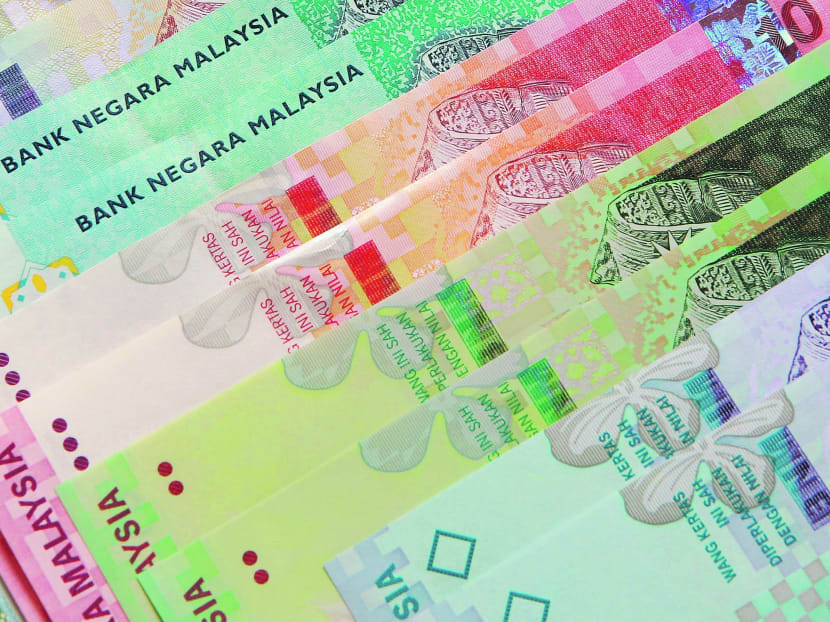
TODAY file photo
SINGAPORE — Good news for Singaporeans heading up north for the long holiday weekend: The Singdollar hit a new record high of S$1 to 3.1786 ringgit on Thursday (April 13), helped by weakness in the Malaysian currency even while the Monetary Authority of Singapore (MAS) left policy unchanged and extended its dovish guidance.
The Singdollar rose 0.5 per cent to reach its new peak versus the ringgit at about 12.30pm, although it gave up most of the gains to end the session just 0.1 per cent higher at 3.1642, Bloomberg data showed.
The ringgit has been the worst performer of 11 Asian currencies in the past six months, losing about 4.6 per cent against the greenback, as the election of US President Donald Trump in November and rising US interest rates saw global investors take money out of the most liquid emerging markets. Over the same period, the Singapore dollar fell only about 1.1 per cent against its US counterpart.
The MAS held monetary policy steady as expected on Thursday, saying a neutral stance will be needed for an extended period as it looked to support an economy that contracted sequentially in the first quarter amid lingering risks to the global outlook.
Analysts said the central bank’s reiteration of the forward guidance from its last review and warning of “significant policy uncertainty” signalled a reluctance to tighten anytime soon even as the US Federal Reserve remains on track to raise rates further this year.
The ringgit has been hammered by a slew of factors in the last few years, including a global oil and commodity slump, a corruption scandal at state investment company 1Malaysia Development Berhad and the gradual normalization of US monetary policy.
Capital outflows from Malaysia accelerated last November after Mr Trump’s victory, and Bank Negara Malaysia responded to the ringgit’s slump that month by clamping down on the trading of offshore non-deliverable forwards.
That had the effect of stemming ringgit declines, but also damped interest from overseas investors as they found it harder to hedge their positions in the country’s assets. Global funds cut holdings of ringgit bonds to a five-year low in March.
Malaysian policy makers have since December introduced a number of new measures to revive interest in the country’s financial markets. On Thursday, Bank Negara said it would deepen financial markets, including revising rules to allow investors to fully hedge their currency exposure and permit all domestic players to short-sell government bonds. AGENCIES
Stay in the know. Anytime. Anywhere.

Subscribe to our newsletter for the top features, insights and must reads delivered straight to your inbox.
By clicking subscribe, I agree for my personal data to be used to send me TODAY newsletters, promotional offers and for research and analysis.






