
Tackling diabetes: A place for sugar tax?
A poll released by The Guardian newspaper in Australia on Jan 16 found that over half of the 1,038 respondents are in favour of a sugar tax on drinks. This came days after the Australian Medical Association called for such a tax to tackle obesity, even though the Malcolm Turnbull administration has opposed the idea on the basis that governments “should not dictate the diet of citizens” who already pay “enough taxes” in the supermarket.
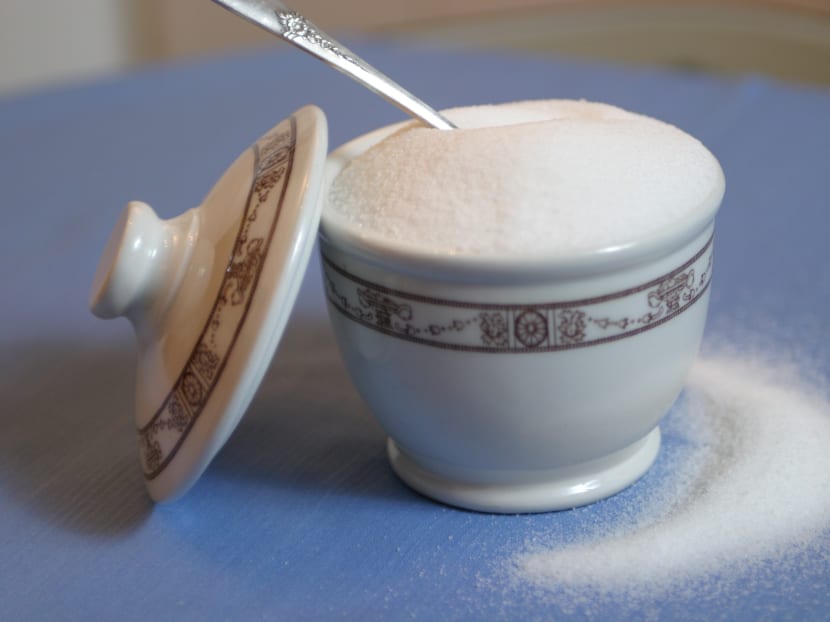
Tax revenue from a sugar tax can be channelled towards initiatives that promote healthy living, such as subsidies for health screening and other health promotion programmes, says the author. Photo: The New York Times

A poll released by The Guardian newspaper in Australia on Jan 16 found that over half of the 1,038 respondents are in favour of a sugar tax on drinks. This came days after the Australian Medical Association called for such a tax to tackle obesity, even though the Malcolm Turnbull administration has opposed the idea on the basis that governments “should not dictate the diet of citizens” who already pay “enough taxes” in the supermarket.
Also this past week, a major soft drink company announced that it will cut the size of drinks sold in Britain from 1.75 litres to 1.5 litres and increase the price by 20 pence (S$0.37) in March, because of the United Kingdom’s introduction of a sugar tax on soft drinks from April to tackle rising rates of obesity and type 2 diabetes.
The United Kingdom is one of two dozen countries in the world with such a tax. In Southeast Asia, Brunei introduced a sugar tax in April 2017 and a new Excise Act was introduced in Thailand in September 2017, subjecting a wide range of sugar-sweetened beverages to excise tax.
Is it time for Singapore to consider imposing a sugar tax, given that the rising rate of diabetes is a particularly worrying trend here?
In his 2017 National Day Rally, Prime Minister Lee Hsien Loong had highlighted that one in nine Singaporeans are diagnosed with this condition – a sobering reminder of the growing need to encourage healthier lifestyles and combat obesity.
Clearly, one of the ways to minimise the risk of diabetes in Singapore includes reducing the intake of sugary foods and soft drinks.
According to the Ministry of Health, 60 per cent of Singaporeans’ total sugar intake comes from sugar-sweetened beverages (SSB).
Thus it may seem natural to make use of a tax to curb demand for such products.
A sugar tax could be based on an ad valorem rate (a percentage of the good’s customs value), specific rates (specified tax amount per unit of quantity) or both. The government could also implement sugar tax using a progressive rates structure – the higher the sugar content, the higher the tax rate.
According to a World Health Organization report, an increase in the retail price of sugary drinks by at least 20 per cent could result in proportional reductions in consumption of such drinks. This could in turn improve nutrition and result in fewer people suffering from obesity and diabetes.
Yet, there have been mixed results in the effectiveness of sugar tax curbing the consumption of sugary drinks. Whilst some countries have experienced reasonable success, others such as Denmark has abolished its soft drinks tax and subsequently abandoned a proposed sugar tax, which encouraged consumers to cross the border to buy cheaper soft drinks.
What are the likely scenarios and possible outcomes if Singapore imposes such a tax?
First, if producers of sweetened beverages were to pass on the tax burden to the consumers and not absorb the tax imposed, consumers may turn to drinks with lower sugar content or find cheaper substitutes. Yet, different segments of the population may respond in different ways.
For example, the impact of sugar tax would be greater on lower income households since the taxes take up a higher percentage of their disposable income. Conversely, higher income consumers may be less responsive to the price differences.
Alternatively, consumers could avoid paying sugar taxes by buying such beverages from neighbouring countries that do not impose sugar tax. This was what happened in some European countries.
Also, the impact of sugar tax could diminish over time as consumers adjust to paying more for sugary drinks.
Producers of sweetened beverages could also respond to the introduction of sugar tax by reformulating their products and focusing on low-sugar product lines so as to minimise the levies on drinks with higher added sugar content. Some have already done so in recent years.
The marketing and promotion of low-sugar products could help to raise public awareness of the benefits of low sugar consumption.
Indeed, tax revenue from sugar tax can be channelled towards initiatives that promote healthy living, such as subsidies for health screening and other health promotion programmes.
The long-term effectiveness of sugar tax has yet to be proven since many countries have only implemented sugar tax in recent years. Given the complexities of behavioural economics, a sugar tax alone cannot be the panacea to arresting the rise of diabetes.
Complementary measures such as continual education and preventive programmes are needed, such as discouraging the sale of sugared drinks in schools. The introduction of sugar tax in Singapore may nonetheless be a visible nudge in the right direction.
ABOUT THE AUTHOR:
Yeo Kai Eng is Asean and Singapore indirect tax leader and partner, Ernst & Young Solutions LLP. These are his own views.
Stay in the know. Anytime. Anywhere.

Subscribe to our newsletter for the top features, insights and must reads delivered straight to your inbox.
By clicking subscribe, I agree for my personal data to be used to send me TODAY newsletters, promotional offers and for research and analysis.






