
When the alarm bells on climate change backfire
Code red, catastrophe, crisis.
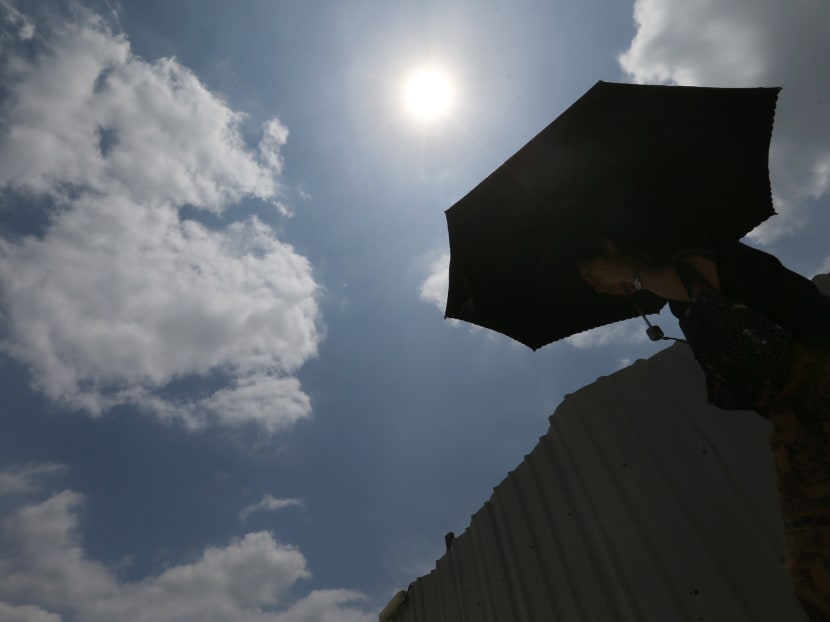
It has become commonplace for climate change activists, organisations and the media to propagate doomsday scenarios of climate change. But could using these fear-inducing terms backfire?



Code red, catastrophe, crisis.
These were some of the words screaming from headlines around the world after the United Nations’ Intergovernmental Panel on Climate Change (IPCC) released its latest and most comprehensive report on climate change this month.
The report, which details scientific assessments of climate change, warned that global surface temperatures are set to rise drastically, potentially surpassing an average increase of 5°C by the end of this century.
It also painted a gloomy picture of a world beset by extreme droughts and intense rainfall unless there were severe cuts to carbon emissions.
As stark as these scenarios were, I felt like I was reading the same old story.
Having written on the topic for the last three years, the projections in the report did not seem to depart much from the doomsday scenarios predicted before.
The IPCC had similarly warned of climate change’s “severe, widespread, and irreversible impacts”, including heatwaves and extreme rain, in its assessment report seven years ago.
COULD CLIMATE CHANGE WARNINGS BACKFIRE?
It has become commonplace for climate change activists, organisations and the media to propagate doomsday scenarios of climate change.
At the United Nations climate change summit two years ago for instance, activist Greta Thunberg peppered her now famous speech with words such as “suffering”, “dying” and “collapsing ecosystems”.
While such fear-inducing terms underscore the severity of climate change and the urgency required to tackle it, could they also backfire?
My own emotional journey has been a rollercoaster ride since I started covering the environmental beat three years ago.
When I first gained a deeper understanding of climate change, I felt a keen sense to do my part to curb it.
I introduced sustainable habits in my lifestyle to reduce my carbon footprint, such as buying fewer clothes or reducing my use of plastic.
However, with more exposure to climate news over time, I felt increasingly helpless and depressed about the future.
I questioned if my personal actions amounted to anything if it were governments and corporations that had the greatest power to reduce carbon emissions.
With the latest report, however, I felt nothing.
It occurred to me that I may have been desensitised from reading about the consequences of climate change.
APOCALYPSE FATIGUE
Norwegian psychologist Per Espen Stoknes terms this feeling “apocalypse fatigue”.
Constant exposure to doomsday predictions of climate change can become overwhelming for some people, numbing them to the topic.
As a result, people may stop seeking solutions to climate change altogether.
Given that the effects of climate change will mostly be visible in the long-term, it also breeds a sense among people that they cannot do much to change the situation, said Dr Stoknes in a Ted Talk.
Behavioural and communications experts that I spoke to also said that my feelings are not uncommon.
Dr Serene Koh, a behavioural psychologist, said that while such intense messaging is required to help people realise the magnitude of the consequences of climate change, it can also come off as defeatist.
“If the situation is already dismal, then people think they can’t do anything about it,” said Dr Koh, who heads the Singapore arm of research consultancy The Behavioural Insights Team.
TURNING FATIGUE INTO ACTION
To avoid or overcome apocalypse fatigue, experts say that doomsday scenarios must be accompanied by solutions that people can take to reduce the risk of climate change.
It is also important to show progress made on addressing climate change so far. This will motivate people to engage with an issue as they will not feel like they are starting from scratch, says environmental group Climate Xchange on its website.
Dr Koh said that such messaging should be accompanied with bite-sized actions that people can take to avoid feeling helpless against climate change.
The impact of these actions should also be conveyed in a manner that the average person can relate to, such as how cutting down water use by a certain amount for a full year is equivalent to saving an entire reservoir.
LEARNING POINTS FROM THE PANDEMIC
The international community’s response to the pandemic has been seen by some as a dress rehearsal for how the world can address climate change.
Like climate change, the pandemic is an invisible enemy which requires a collective response to overcome.
Singapore, for instance, has been able to mount a collective response against Covid-19 through its nationwide vaccination drive.
The Government provided a clear target of 80 per cent to ease restrictions. Regular updates of the drive’s progress also nudged people to get vaccinated.
Could a similar effort involving clear targets and regular progress updates work for climate change?
The international community has already set a target of limiting global temperature increase in this century to well below 2°C above preindustrial levels.
However, it has been less effusive on the progress made to reduce carbon emissions.
This is despite huge strides in green technology and greater civic action on environmental issues in the last few years.
Experts, however, say that efforts against Covid-19 cannot be replicated for climate change given the latter’s longer-term nature.
While the benefits of getting vaccinated are immediately obvious (safety and fewer social restrictions), the benefits of green actions today will be noticeable only after a person’s lifetime.
This makes it harder for people to link their actions to their benefits.
Associate Professor Walter Theseira, a behavioural economist from the Singapore University of Social Sciences suggested identifying a mix of shorter-term and long-term targets in different environmental areas for people to work towards.
For example, reducing the use of plastic packaging could be a short-term achievable goal, while reducing emissions intensity could be a more difficult, longer-term goal.
However, he acknowledged that people may end up focusing on the achievable targets over more important targets, limiting the overall impact on climate change.
To keep people motivated to act against climate change, Dr Koh suggested that scientists and the media come up with a way to translate the impact of individual efforts into a measure that is relatable to the average person.
Dr Benjamin Detenber, a communications expert from Nanyang Technological University, said that climate messaging must be tailored to different audiences as people are not motivated the same way.
For example, the prospect of animals going extinct can be played up among nature lovers while the prospect of cost-savings from sustainability measures can be emphasised among those who are budget-conscious.
THE NEXT REPORT
Climate change is sure to remain a prominent news item.
A major climate summit is coming up in Glasgow this November. The IPCC is also due to release three other reports as part of its sixth assessment report cycle next year.
These will likely lead to more dire warnings from all stakeholders on the bleak future we are headed into.
But to spur people to action and reduce their feelings of helplessness, it may be time for a rethink of how we talk about climate change.
For a start, governments and organisations can articulate areas of progress that have been made to mitigate climate change, even as they remind people about its consequences.
Governments can also play a bigger role in breaking down targets of progress for different sectors of society, such as businesses and households, with a clear explanation of how these targets contribute to broader international goals.
Admittedly, tangible progress will not be visible until many generations down the road. However, regular updates on shorter-term targets at national and international levels will help to keep people invested in climate mitigation efforts for the long-haul.
It would be a pity if the very efforts to spur people to change become the cause of their inaction.
ABOUT THE AUTHOR:
Navene Elangovan is a senior journalist at TODAY, covering environment and education.
Related topics
climate change climate environment global warming UNStay in the know. Anytime. Anywhere.

Subscribe to our newsletter for the top features, insights and must reads delivered straight to your inbox.
By clicking subscribe, I agree for my personal data to be used to send me TODAY newsletters, promotional offers and for research and analysis.






