
Sebastiao Salgado and the world of Genesis
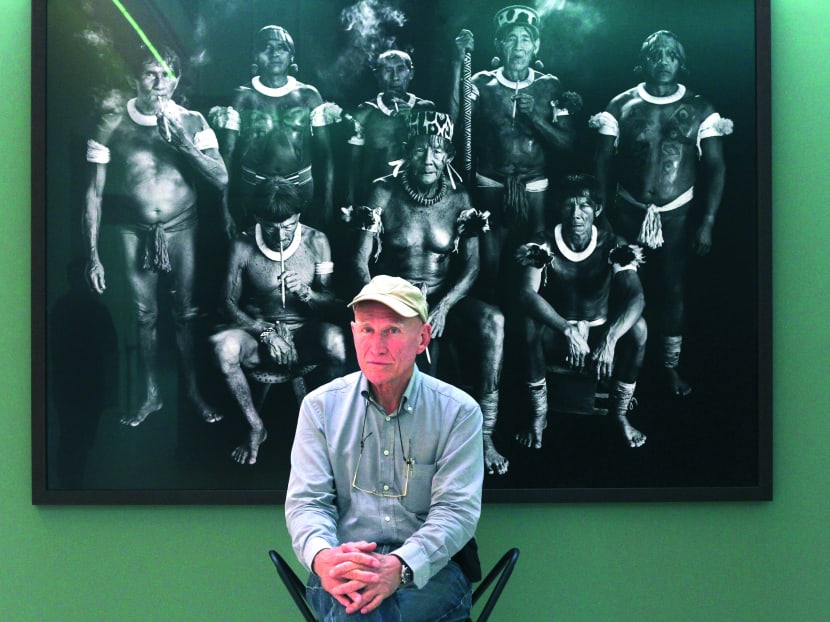
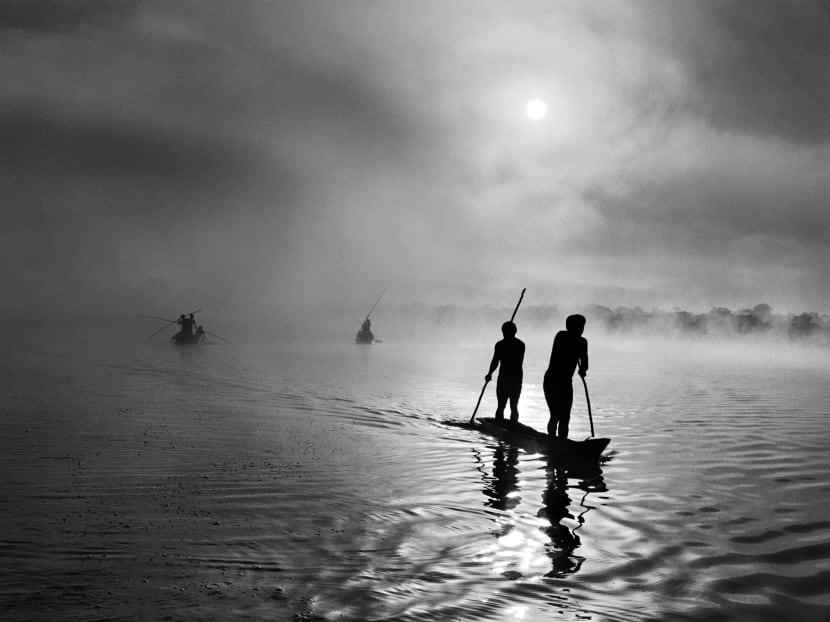
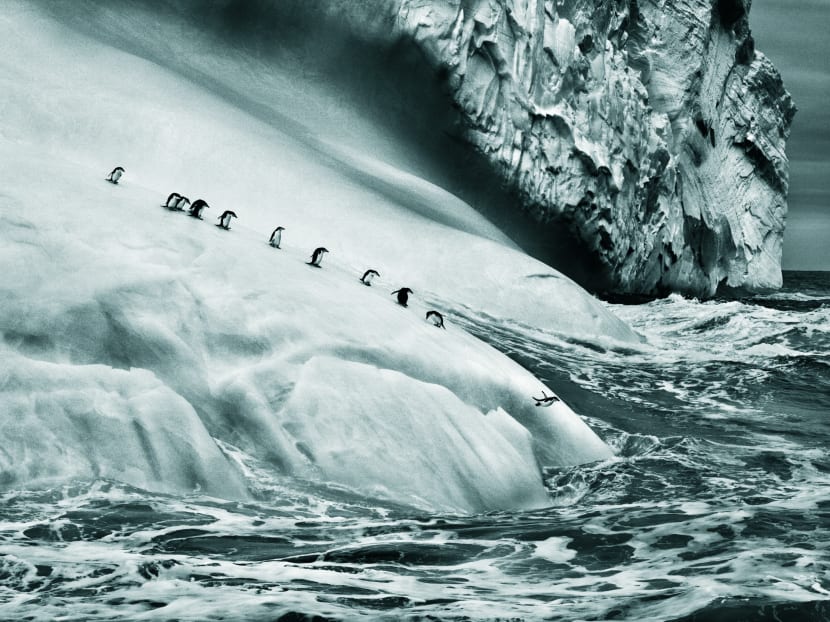
SINGAPORE - The world’s splendour is spread out in all its black-and white glory, as more than 200 photographs of captivating landscapes and seascapes, wildlife and people from the Amazon jungle to Africa, Antarctica to the Arctic Circle - and seemingly everything else in between - are on display at the National Museum of Singapore’s exhibition, Genesis.
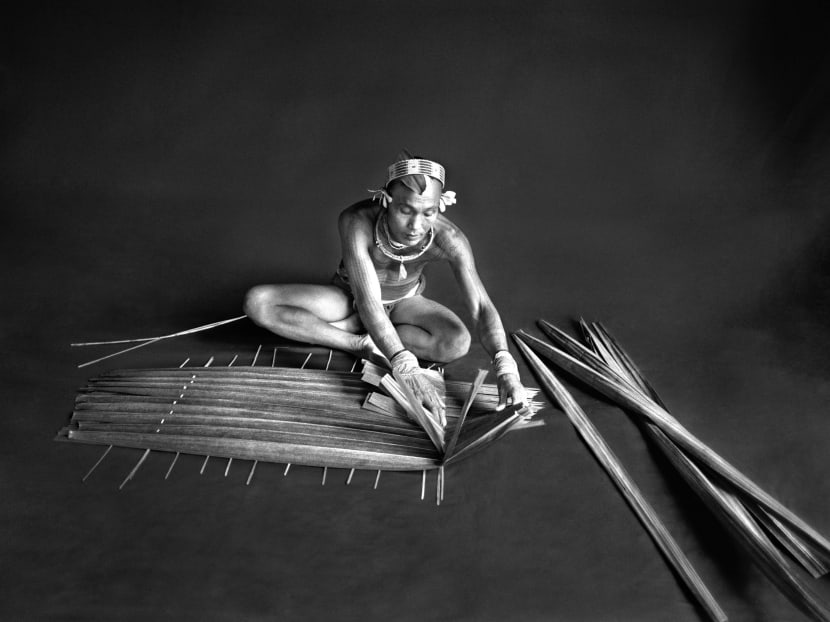
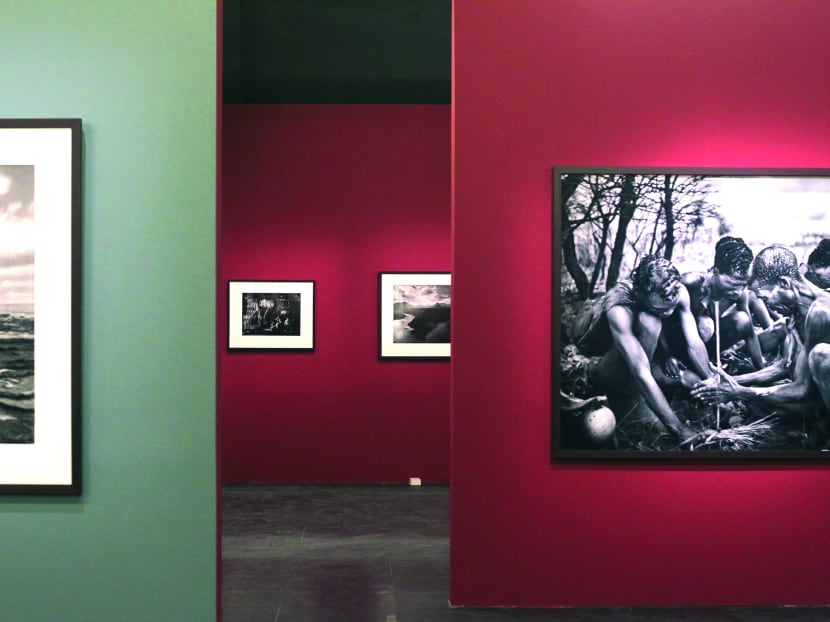
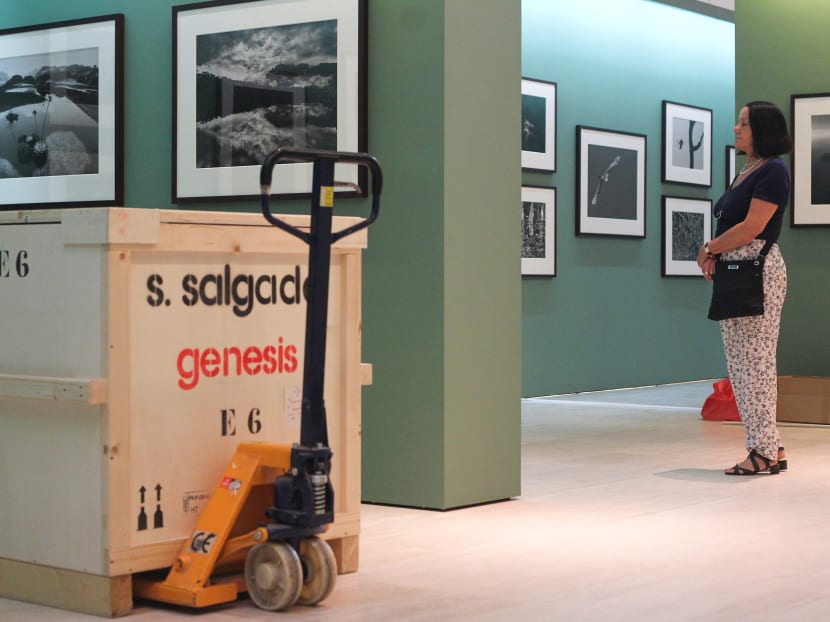
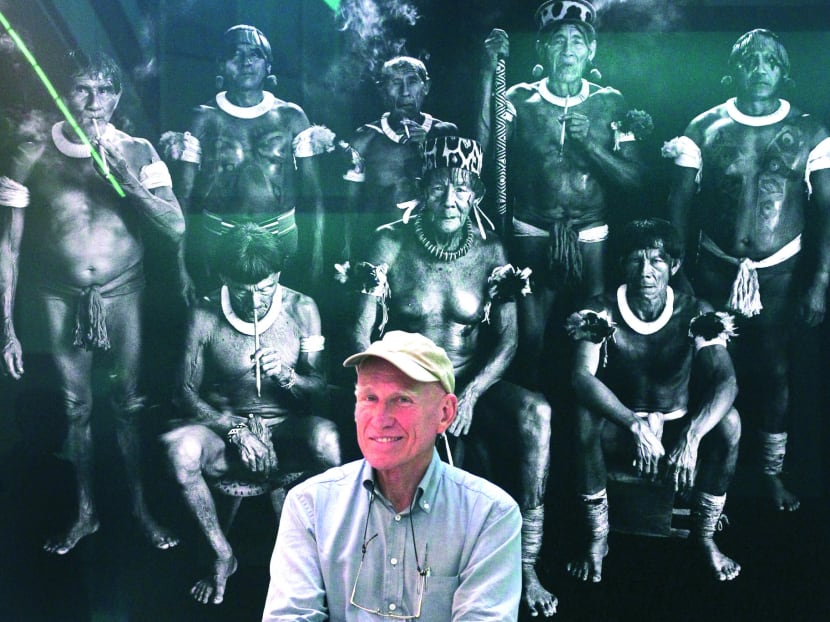


SINGAPORE - The world’s splendour is spread out in all its black-and white glory, as more than 200 photographs of captivating landscapes and seascapes, wildlife and people from the Amazon jungle to Africa, Antarctica to the Arctic Circle - and seemingly everything else in between - are on display at the National Museum of Singapore’s exhibition, Genesis.
Interestingly, it was another biblically-titled project - Exodus - that almost marked the end for Genesis’ photographer Sebastiao Salgado. Known for his photography dealing with migration and population, the legendary 70-year-old artist was well and truly spent after that project. He’d spent six years documenting refugees running away from strife and natural disasters (including Indonesia’s Galang Island and its refugee camp for Vietnamese asylum seekers).
“I was physically and psychologically finished. I saw so many (acts of) violence and it was so tough that I stopped photography,” recalled the Paris-based Brazilian, who, to get a change of scenery, went back to his country of birth. There, he and his wife proceeded to rehabilitate a huge tract of ecologically-ravaged land he inherited from his parents. The couple planted two million trees and life — as well as his passion for photography — returned.
“My idea was to go around the planet and see what was pristine about it. To see the other animals, the landscapes, the mountains, the trees and things I had never photographed before,” he told TODAY.
Spending eight months a year for eight years trotting up and down the globe, the pessimism that enveloped Salgado during Exodus gave way to the optimism of Genesis. (One senses the optimism not only in the photographs but in the passionate way Salgado speaks of his experience.)
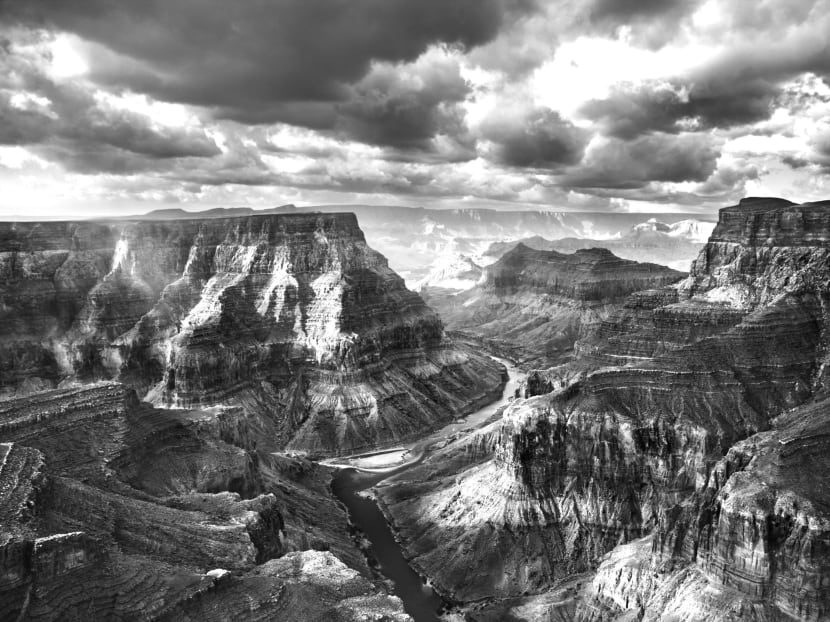
Pointing to a photograph of the Colorado Plateau at the Grand Canyon, he said: “When you come to a place like this, you must understand that all of this is alive and you are a part of this. In this moment, it’s not different from photographing a human being. All of these landscapes have personalities. Every animal, trees, landscapes, they’re all rational. That humans are the only rational species is a big lie that we’re told.”
But Salgado is no New Age prophet — he’s an activist. “I have a big hope that people who come to see this show will look at the pictures and identify with the planet. Spiritually, we must go back,” he said.
Genesis the exhibition is linked to Genesis the publication — a huge tome by art book publisher Taschen that only the biggest names in photography get, like Helmut Newton and Nobuyoshi Araki. His experiences doing Genesis will also be seen in a new documentary film by Wim Wenders and Salgado’s son, Juliano. Titled The Salt Of The Earth, it was recently selected to compete at Cannes Film Festival’s Un Certain Regard section.
All of that, however, is at the service of his mission. Before flying to Singapore, he had been busy championing the rights of Brazil’s indigenous people and their lands threatened by encroaching logging and mining companies. Working with Brazil’s National Indian Foundation, Salgado has done photo essays for newspapers in his country as well as in international titles like Vanity Fair and The Sunday Times in London.
“I’m a photographer, but life is a social and political act and my language is photography,” he explained. “These pictures, I want them to be a small grain of contribution. We must reflect. We need to look.”
For Salgado, being a photographer does not end with having a knowing eye but a knowing mind as well. His economics background has served him in good stead, he said.
“It gave me a very good tool for analysis. I remember, when I started with photography, I worked for Time, Newsweek and other weekly magazines. They’d send me to a place to do a story and I had to have an understanding of the society and the situation.”
His advice for many a young photographer? Put down your camera and do something else for a while. “If you’re a real photographer, you’ll stop a bit, go back to university, do a bit of anthropology, sociology, economics, geopolitics so you can feel yourself inside your society.”
Genesis runs until July 27, 10am to 6pm, Exhibition Gallery 2, Basement, National Museum Of Singapore. Free admission.
Stay in the know. Anytime. Anywhere.

Subscribe to our newsletter for the top features, insights and must reads delivered straight to your inbox.
By clicking subscribe, I agree for my personal data to be used to send me TODAY newsletters, promotional offers and for research and analysis.