
Symmetry the secret to Wes Anderson’s films?
LONDON — Most film directors tend to shy away from placing their actors in the centre of the frame, but Wes Anderson has developed his distinctive style of film-making around a fascination with symmetry.
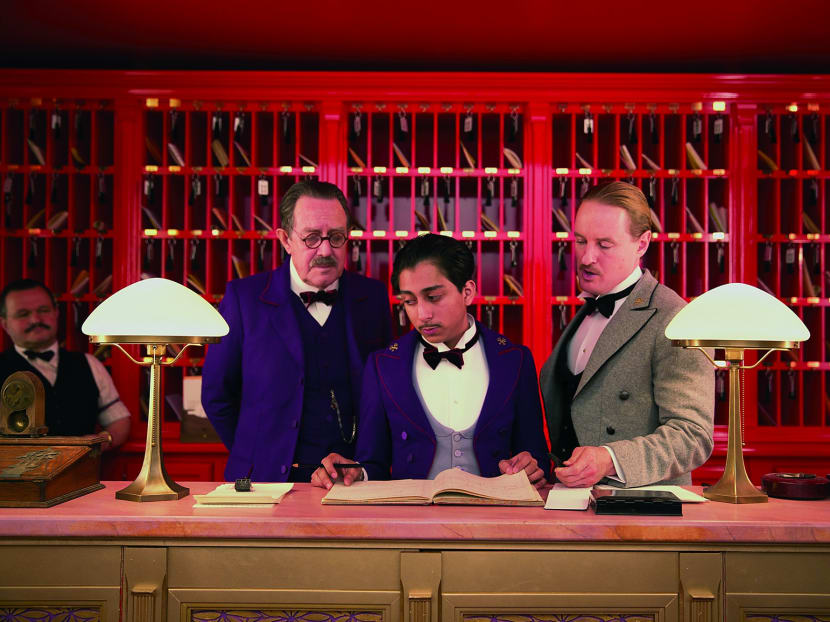
The Grand Budapest Hotel’s symmetrical charm.
LONDON — Most film directors tend to shy away from placing their actors in the centre of the frame, but Wes Anderson has developed his distinctive style of film-making around a fascination with symmetry.
He uses his actors and scenery to bring almost perfect visual symmetry to his films, from his early movies like Rushmore to his most recent, The Grand Budapest Hotel.
Could it be this technique that helps to make his films so lovable, along with the quirky plots, well-loved actors and vivid colours? After all, our vision is perfectly attuned to find symmetry appealing.
Researchers have consistently found that both men and women find people with symmetrical faces far more attractive than those with non-symmetrical ones.
Throughout nature there are examples of symmetry that we find beautiful, like in the wings of butterflies, flowers and snowflakes. Insects like honeybees also use symmetry to organise their hives. THE DAILY TELEGRAPH
Stay in the know. Anytime. Anywhere.

Subscribe to our newsletter for the top features, insights and must reads delivered straight to your inbox.
By clicking subscribe, I agree for my personal data to be used to send me TODAY newsletters, promotional offers and for research and analysis.






