
Understanding Hungry Ghosts ‘spiritual spaces’ in Singapore
SINGAPORE – Every year, when the gates of hell open on the seventh Lunar Month, temporary roadside offerings and makeshift altars spring up around the island.
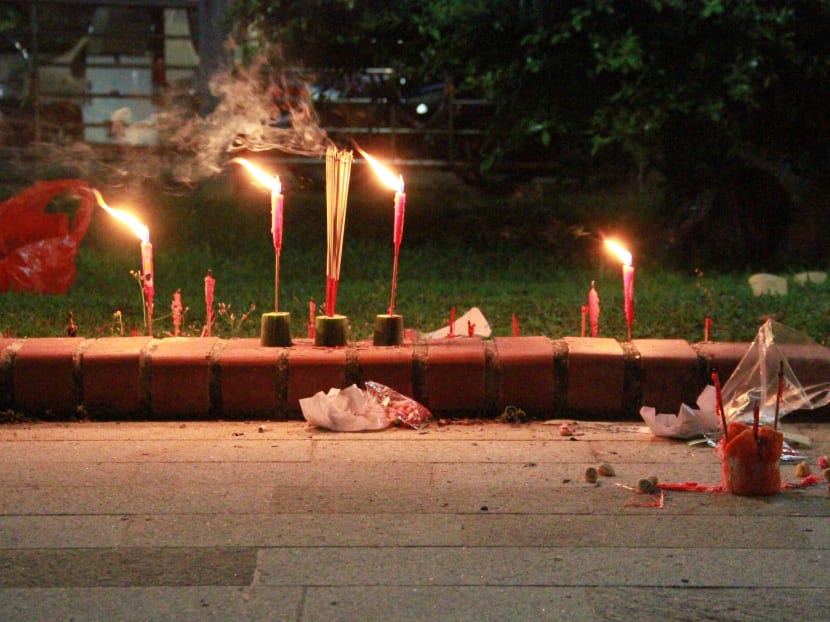
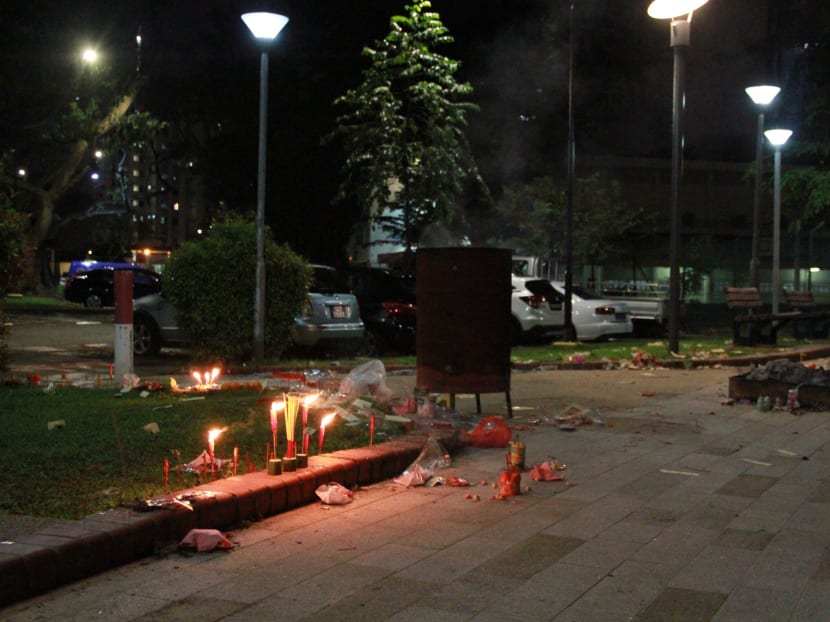
SINGAPORE – Every year, when the gates of hell open on the seventh Lunar Month, temporary roadside offerings and makeshift altars spring up around the island.
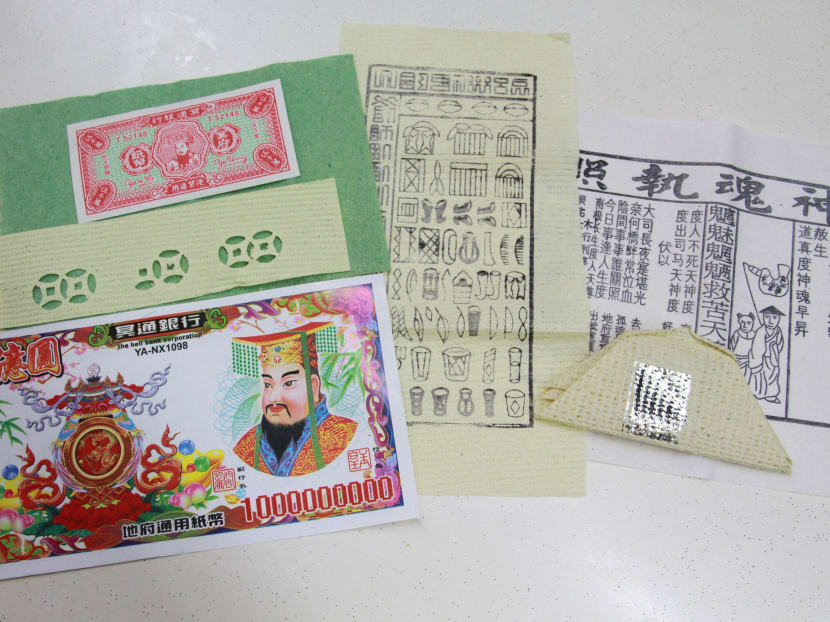
Social spaces become ‘spiritual spaces’ during the annual Hungry Ghost Festival, as paper money is burned all around the island, along with other paper items representing anything from clothes and toiletries to cars and bungalows. The practice is believed to appease the spirits of the dead, who are believed to roam the earth during the month-long Hungry Ghost Festival.
At the Housing Development Board (HDB) estate in North Bridge Road, there is a communal spot where people come together to burn money and leave offerings for all spirits. At some areas, notices asking the spirits for a peaceful month are placed on makeshift altars.
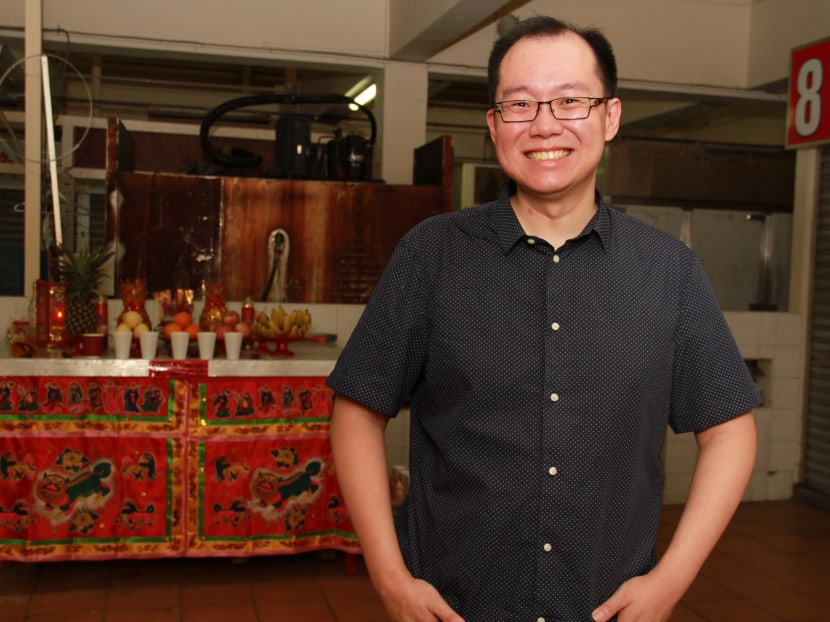
According to sociologist Dr Terence Heng, who is an assistant professor at the Singapore Institute of Technology, “(makeshift altars) make offerings to wandering spirits and orphaned ghosts who have no one to make offerings to them.”
Heng’s work involves documenting Chinese religion and spiritual spaces in Singapore.
Next month, he will lead a workshop and a tour to examine social and spiritual rites and spaces of the Hungry Ghost Festival as part of The Substation’s Discipline The City 2017 programme and workshop series, Mapping Spiritual Spaces.
The response has been strong with the workshop over-subscribed, twice over.
One of the spaces that participants will visit is the North Bridge Road Tua Pek Kong temple, which houses netherworld deities associated with the festival such as Tua Li Ya Pek (big and second uncles).
“These are popular netherworld deities that are responsible for the policing of the dead,” said Heng, and in Singapore, mediums often channel these deities when they go into a trance.
“The temple is particularly interesting because it is situated in the middle of a car park, and has a tree with various Guan Yin (Goddess of Mercy) statues hanging from a tree. I am using the temple as an introduction to the syncretic, or ‘rojak’, form of Chinese religion, which draws from different religious practices and cultural traditions,” Heng said.
According to Heng, the origins of Hungry Ghost Festival has connections with the story of Maudgalyāyana, a disciple of Buddha. When his mother passed away, he had a dream or a vision and knew his mother was suffering in hell and he was told by Buddha to redeem her by doing good deeds and chanting sutras.
“This is why during Hungry Ghost Festival you will also see rituals taking place in Buddhist temples for them to pray for the souls of the ancestors or even the souls of their parents from past lives to save them,” he added.
In Singapore, Heng said, many Chinese believe that it is their duty to feed and nourish the “hungry ghosts that walk along the streets and wander during this period lest they get angry and cause misfortune to fall upon us”.
The two part workshop Mapping Spiritual Spaces will be held on Sept 5 and 8. For more information, visit http://peatix.com/event/254196.
Stay in the know. Anytime. Anywhere.

Subscribe to our newsletter for the top features, insights and must reads delivered straight to your inbox.
By clicking subscribe, I agree for my personal data to be used to send me TODAY newsletters, promotional offers and for research and analysis.