
Shell Eco Marathon: Alt-sourcing
SINGAPORE — Could the ultra-efficient cars of tomorrow be made out of wood? It’s one idea being explored by a Singapore team at the Shell Eco Marathon.
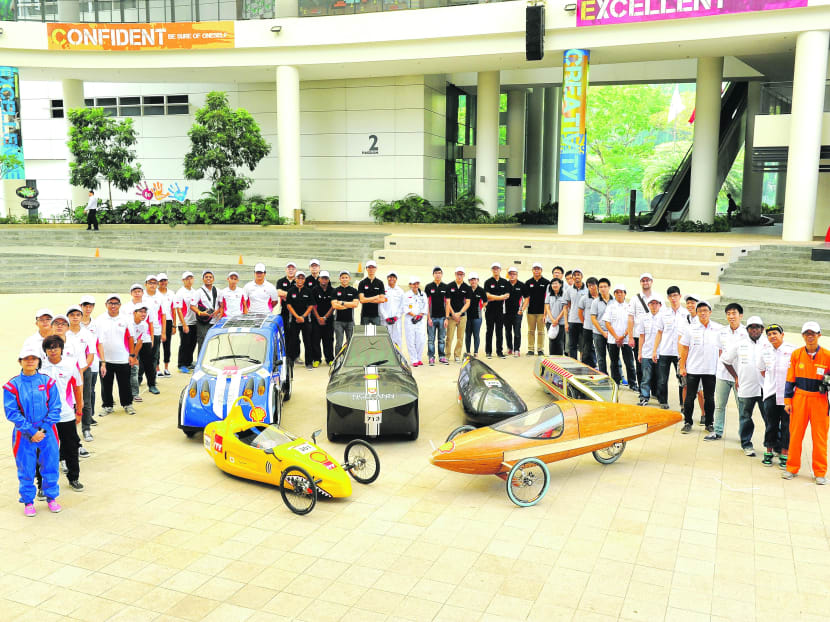
SINGAPORE — Could the ultra-efficient cars of tomorrow be made out of wood? It’s one idea being explored by a Singapore team at the Shell Eco Marathon.
The annual competition sees students designing and building futuristic cars from scratch, and then testing them to see which one can wring the most mileage from a given amount of energy.
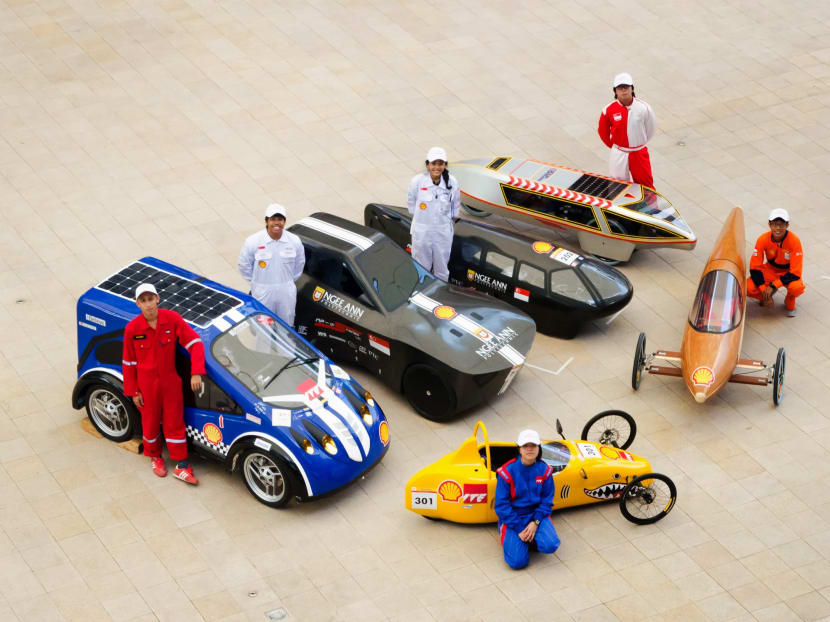
The Asian leg takes place next month at the Sepang Circuit in Malaysia, and this year there are six entries from Nanyang Technological University, Ngee Ann Polytechnic and the Institute of Technical Education, West.
Wood-working
Students between the ages of 16 and 25 have built cars powered by either batteries, hydrogen fuel cells or diesel.
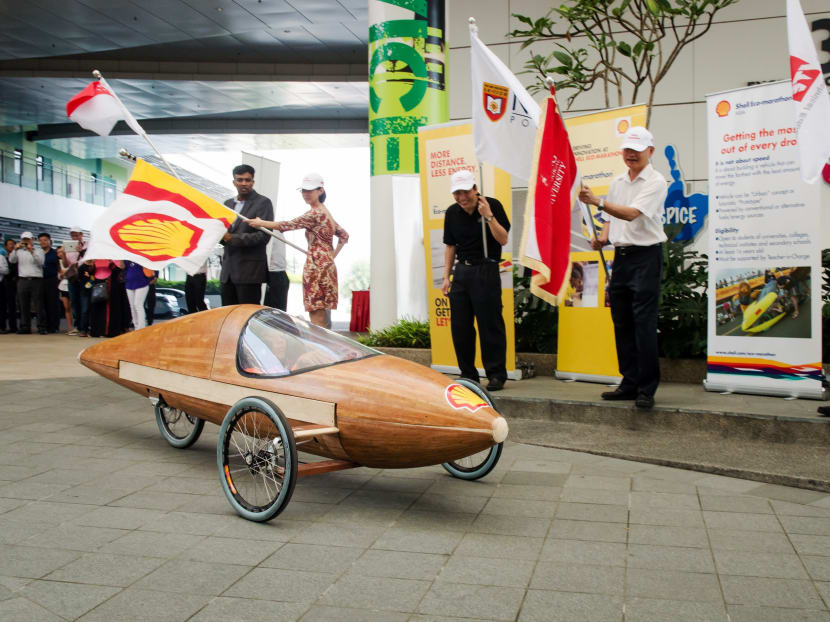
While most entries are made of modern materials like aluminium or carbon fibre, NTU’s Nanyang Venture VI will be a car to watch because its sleek body is made of marine plywood.
The material was chosen because it offers significant costs savings over carbon fibre while being nearly as strong and light, explained Associate Professor Ng Heong Wah, who is mentoring the students. The diesel car is capable of returning more than 500km per litre, although the students hope to reach 1,000km eventually.
That might seem at odds with a company that makes its money selling fuel. Yet, the Eco Marathon has roots that stretch back to 1939, when Shell employees bet on who among them could go as far as possible on a given amount of fuel.
“We know that some of our energy sources are finite, so we’re looking at what we have and stretching every molecule further,” said Mavis Quek, the General Manager for External Affairs and Communications at Shell.
“The competition also looks at alternative energy, so you can create a generation that is aware of how to use new energy forms.”
Green cred
At past Shell Eco Marathons, the Singapore teams have done well. Ngee Ann Polytechnic’s hydrogen-powered NP-Distanza Proto and its plug-in electric Urban Concept cars both took first prize in their respective classes in the 2011 and 2012 events, for instance.
ITE West’s iTErbo III car took third place in its class last year, finishing just one point behind a team from an Indonesian university.
“We were ahead until the final round,” laments Chua Kiat Lee, a mechatronics lecturer who is mentoring his team.
The car achieved a mileage of 74km per kilowatt-hour (enough for roughly five hours of television).
Since then, he says, improvements to the car could see it exceed 100km per kilowatt-hour. “Maybe we’ll stun the competition,” says Mr Chua.
Stay in the know. Anytime. Anywhere.

Subscribe to our newsletter for the top features, insights and must reads delivered straight to your inbox.
By clicking subscribe, I agree for my personal data to be used to send me TODAY newsletters, promotional offers and for research and analysis.






