
Beauty influencers: Treading the thin line between selling and selling out
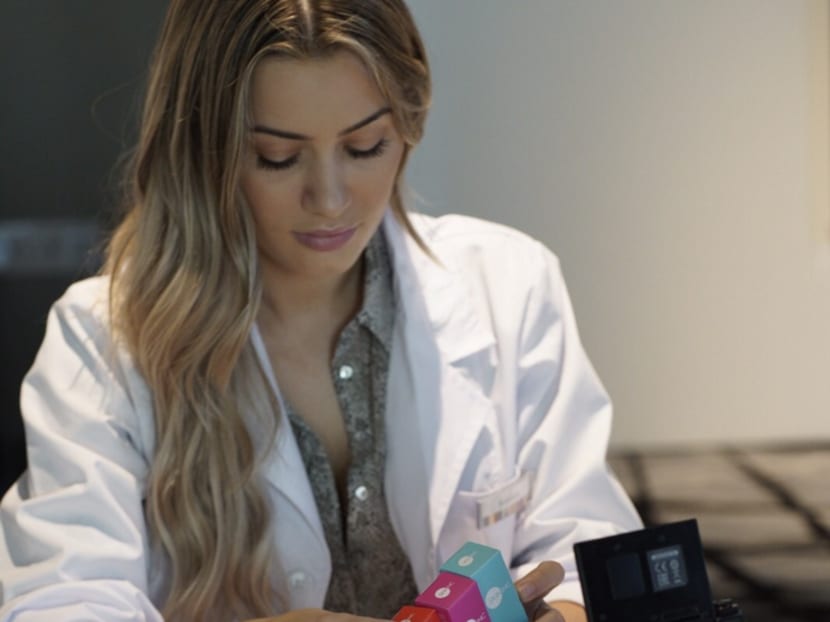
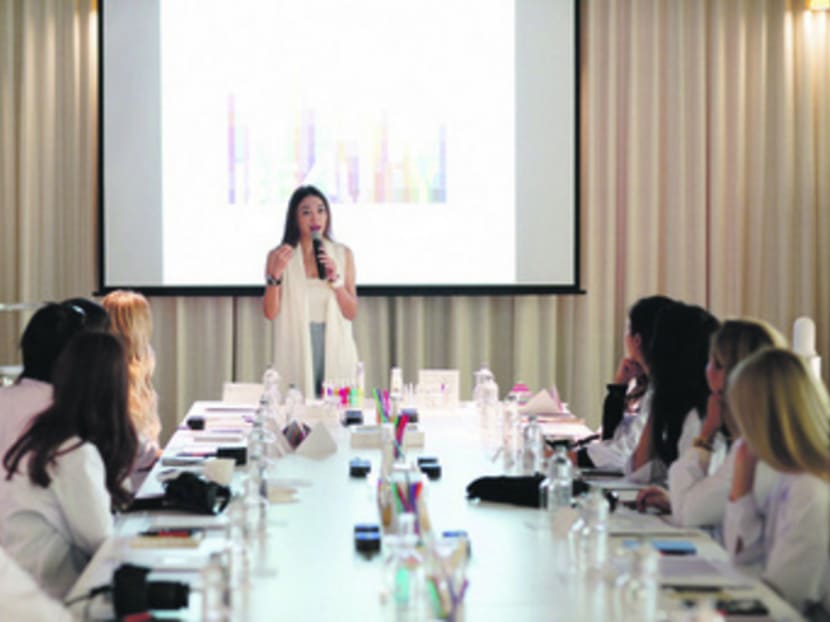
SINGAPORE — Da Hye, Weylie, Jen Chae ... You may not recognise their names, but the clued-in can rattle off their YouTube channels by heart: SunnyDahye, IloveWeylie and From Head To Toe. These three YouTube beauty video bloggers, along with others such as Dani Song (sister of mega social media star Aimee Song) are part of the 10-strong contingent of social media and YouTube stars who have descended on Singapore this week for local skincare brand SkinInc’s Beauty Hackathon event.

SINGAPORE — Da Hye, Weylie, Jen Chae ... You may not recognise their names, but the clued-in can rattle off their YouTube channels by heart: SunnyDahye, IloveWeylie and From Head To Toe. These three YouTube beauty video bloggers, along with others such as Dani Song (sister of mega social media star Aimee Song) are part of the 10-strong contingent of social media and YouTube stars who have descended on Singapore this week for local skincare brand SkinInc’s Beauty Hackathon event.
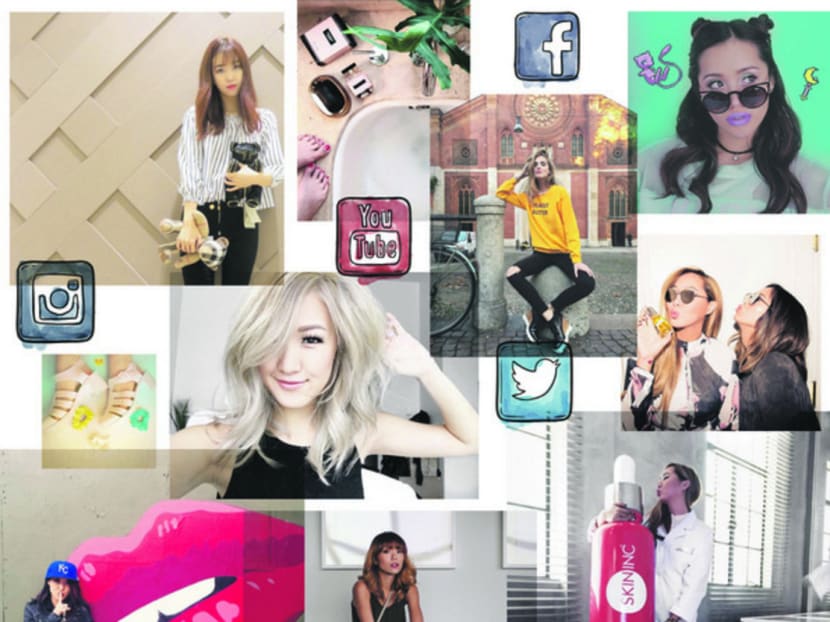
Social media darlings and YouTube stars have fully infiltrated the space that was previously solely occupied by a select group of renowned fashion and beauty bloggers. With hundreds of thousands of subscribers or followers, and with some going into the millions, the reach they have in the digital realm on fashion and beauty fans is hard to ignore.
Whether they offer helpful makeup tips via video tutorials or fashion inspiration through perfectly styled snapshots via their blogs, YouTube or social media platforms, these highly successful digital influencers wield tremendous, well, influence, in the crowded digital universe. And their ability to directly impact the purchasing decision-making of their viewers or followers has attracted the attention of the corporate world.
Style-focussed Instagrammers such as Chiara Ferragni (aka The Blonde Salad) and Aimee Song (aka Song Of Style) get flown around the world to red carpet events and Fashion Weeks to don designer gear sponsored by luxury fashion brands, while the pioneering beauty YouTube sensation Michelle Phan scored a contract with beauty giant Lancome in 2010 as its official video makeup artist and spokesperson.
On the local scene, Instagrammers with substantial followings such as Bella Koh (@CatSlavery) and Andrea Chong (@dreachong) are frequent fixtures on the social scene and have garnered brand sponsorships as diverse as Benefit Cosmetics to Repetto shoes.
With the digital space fast getting oversaturated with bloggers and social media stars touting products from brand endorsements, the issue of authenticity is clearly the pillar by which this fledgling industry will be scrutinised. In a universe where everything hinges on a simple click of the “Like” or “Follow” icon, it can often be quicker to lose fans than to gain them if they are not engaged — or feel such as that they are being subjected to hard-sell tactics.
The tightrope between authenticity and commerce is one that anyone making money off his or her online platform has to walk, some more successfully than others. This, argues Deborah Tan, founder of content marketing agency Material World, is not so much an issue of influencers accepting sponsorships or advertising fees, but in the quality of the content created for these sponsorships.
“I don’t think commerce and authenticity are mutually exclusive,” she said. “You can be authentic and still make money from (your online platform). The key, in my personal opinion, is to not allow the brands to pressure you into saying or writing things you don’t believe in, or promote benefits you have not personally experienced.”
The largely commercialised feel of a lot of local digital influencers here, she continues, is “due perhaps to a combination of clients’ expectations, their own inexperience in content creation, and a lack of good local examples of quality sponsored content”.
Renee Lorentzen, a veteran beauty blogger based in Singapore, and whose blog BlogForBeauty (formerly known as Beautifille) has been placed in several international blog awards and editorial mentions in publications such as Vogue Italia, concurred.
“I think what’s going to happen in the next year or two is a ‘back to basics’ movement if you will. The focus will be on a select few influencers with true target audiences,” she said.
“As for myself, it’s about building relationships with brands I know, trust and love ... I think that the influencers who are genuine and not commercially skewed will survive, and I believe brands will still find it incredibly rewarding to work with influencers.”
Indeed, the way in which brands are choosing to engage social media influencers and bloggers and their audiences has also evolved from the typical pay-per-post business model. SkinInc’s Beauty Hackathon is one such example. This forum brings together the 10 YouTubers and style Instagrammers in a bid to brainstorm the next big beauty breakthrough for the brand — possibly the first time that such an endeavour to incorporate beauty influencers into the very beginning of the product development process has been attempted.
Through this platform and in consultation with its own scientists and experts, SkinInc hopes to “spark ideas for the next game-changing skincare”, said Sabrina Tan, founder of SkinInc. “It can be a new product or a brand new concept, such as the Skin Inc My Daily Dose Custom-Blended Serum.”
The company, she said, has always worked with digital influencers in various ways. Last year, for example, it brought Aimee and Dani Song to Singapore for the launch of the Skin Identity Check. SkinInc has also worked with Phan and Ferragni.
“We believe in the power of influencers because they represent and are in tune with the voices of the women who appreciate their honest opinions and reviews,” said Tan.
Moving forward, advertising brands will need to consider other factors apart from just the numbers of followers, “Likes” and hit rates; and ensure the authenticity of their paid collaborations with digital influencers in order to properly engage and target their audience.
“While we certainly recognise the influence of digital influencers and bloggers in today’s social media stratosphere; this has to be an organic relationship rather than a contrived marketing strategy. We prefer to build authentic relationships with them and we believe our audience expects the same of us,” said Andy Chua, marketing representative at Dr Martens Airwair Singapore.
In response to a growing concern with regard to the growing business of digital influencers and paid sponsorships, the American regulatory body Federal Trade Commission has tightened its guidelines on sponsorship disclosures on social media over the last year in an attempt to prevent outright coercion of audiences by the brands and the influencers they work with.
The challenge of staying authentic and honest in the face of monetary temptations may be tough, but according to beauty YouTuber Karissa Pukas (who has close to 700,000 subscribers on her YouTube channel), in the long run, it’s worth it to be transparent about sponsorships.
“Building a business with social media is absolutely fantastic, but influencers should be transparent about sponsors — it’s only fair,” she said. “My (YouTube) channel is an extension of myself and I refuse to jeopardise the relationship I’ve created with my following by becoming a walking advertisement.”
She added: “You can always tell when an influencer is only doing a video for the money. If I’m lucky enough to make money creating, then — fantastic! But it will never be at the cost of selling out.”
Stay in the know. Anytime. Anywhere.
Subscribe to our newsletter for the top features, insights and must reads delivered straight to your inbox.
By clicking subscribe, I agree for my personal data to be used to send me TODAY newsletters, promotional offers and for research and analysis.