
Why more beauty brands are using real women in their ads
SINGAPORE — The world is a-changing, particularly in the world of beauty advertising. While the majority of fashion advertising still features glamorous models or celebrities posing in the brands’ clothing — or not very much at all (looking at you, Margot Robbie, for Calvin Klein perfumes) — beauty brands are in the midst of a quiet revolution.


SINGAPORE — The world is a-changing, particularly in the world of beauty advertising. While the majority of fashion advertising still features glamorous models or celebrities posing in the brands’ clothing — or not very much at all (looking at you, Margot Robbie, for Calvin Klein perfumes) — beauty brands are in the midst of a quiet revolution.
Case in point: The recent SK-II Dream Again campaign launched here last month was a massive departure from its advertising campaigns from a few years ago. Back then, the ads featured glamorous celebrity ambassadors such as Hollywood star Cate Blanchett and Chinese actress Tang Wei. The new Dream Again campaign instead focuses on real women and urges them to pursue their childhood dreams with a series of videos that are available on the brand’s YouTube channel and website.
It is the latest installment in SK-II’s #changedestiny overarching campaign strategy that first begun last year. The campaign went viral worldwide in April with its controversial “Leftover Women” documentary-style series in China, which also saw a takeover of Shanghai’s infamous Marriage Market. Commenting on its success in a statement to BBC, SK-II president Markus Strobel revealed the brand is taking “a positive approach in helping women face pressures”.
The Dream Again campaign showcases a four-and-a-half-minute short clip of a group of Japanese women undergoing counselling to share the childhood dreams that they had failed to act upon — except their adult counseller was, in fact, relaying the words of children. The film garnered more than 20 million views worldwide in the first week of its debut, while the campaign’s hashtags made it to the top trending lists on Weibo in China and on Twitter in Indonesia. Locally, at a pop-up event for the campaign’s launch at Raffles Place, local celebrities such as Mediacorp actress Rebecca Lim, musician Benjamin Kheng and members of the public received advice from children on the importance of retaining their dreams.
POWER TO THE PEOPLE
But just what does all this have to do with skincare? SK-II’s new direction which touches on social issues and personal growth, is part of the burgeoning trend in beauty advertising that deviates from the aspirational and moves towards celebrating the ordinary woman on the street.
This appeal to being authentic in beauty advertising stems from a cultural change happening on the ground, observed Natalie Bader, president of French skincare giant Clarins. “I’ve noticed, specifically in Asia, that there is an evolution in terms of notions of beauty,” said Bader in an interview with TODAY. “Women want more and more to be themselves. In the past, they want to look like a model or copy a certain mould, and now, women are embracing their own personalities and beauty. Getting a 16-year-old to sell anti-ageing skincare is not real; it’s totally fake.”
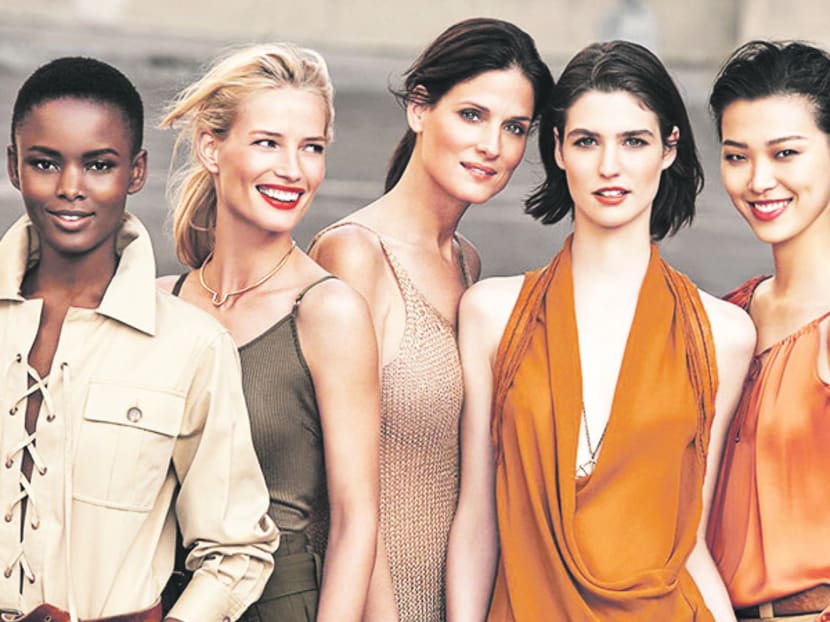
Clarins has also recently rolled out a new global communications directive named “It’s All About You” which features real-age models for each of its skincare ranges and targets women of different age groups. This new brand communications campaign was developed over one-and-a-half years, and the brand has invested approximately €100 million (S$1.5 million) this year for the new communications campaign, products and packaging, revealed Bader. This massive revamp was undertaken “to celebrate real women and promote authentic beauty”.
The Rise of Authenticity
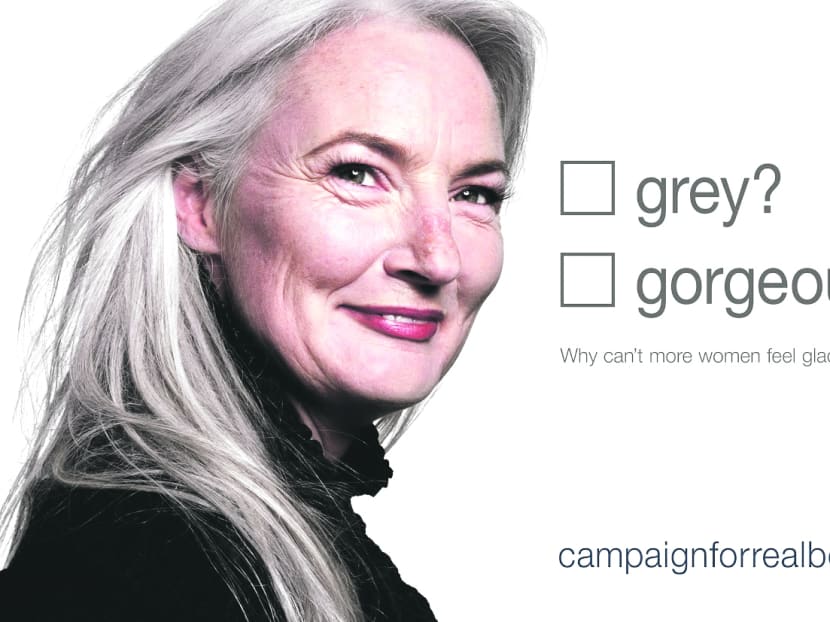
Arguably, this approach of “authenticity” in beauty advertising was first broached upon by Unilever beauty brand Dove in its provocative “Campaign for Real Beauty”, launched in 2004. Featuring a diverse group of real women of all ages, shapes and sizes, the campaign not only swept multiple advertising awards, it triggered heated debate globally on the beauty industry’s perceptions of women and beauty.
Many industry players touted it as one of the most successful beauty campaigns of all time, yet this approach of empowerment does not naturally fit every brand. “Ultimately, it depends on the ambition of the brand and how it positions itself. Dove makes it part of their brand DNA to use only real people (in their ads). But in the case of L’Oreal, which has a long heritage of using celebrities and models, it would be silly to throw it all away. Ultimately, the world is big and hardly homogenous, so you need to use the right approach to talk to your customers,” pointed out Tatt Ng, strategic brand consultant at brand management agency Department of Alternatives.
The huge influence of social media also plays a major part in this evolution towards authenticity. For a generation of women who regularly post selfies and strive towards the #NoMakeupNoFilter and #IWokeUpLikeThis hashtags, there is tremendous appeal in brands that can empower them to look like themselves, but better.
And relatively young homegrown beauty newcomers Skin Inc and Allies of Skin have taken the social media approach to connect with their young, digitally-savvy customer base. Both brands focus their marketing activities in the digital sphere, with social media platforms at the forefront of their marketing strategy.
“Digital marketing has no geographical or time zone boundaries and the DNA of the brand is customisation,” said Sabrina Tan, founder of Skin Inc. “We want to change the status quo in the industry by making skincare smarter with technology, and to be an innovator and beauty futurist by being the leader in building one-to-one relationships and customised products. Our brand direction is to be truly consumer and lifestyle-centric.”
THE PERSONAL TOUCH
It seems that putting real women at the forefront of a beauty brand’s campaigns and communications stems from one ultimate goal: To build trust and engage the customers in a personal relationship with their skincare brand.
Allies of Skin is currently rolling out a campaign featuring real-life customers and their testimonials on social media platforms. “Social media, especially Instagram, has been a huge driver of our growth. Consumers are sharper and savvier than they’ve ever been before and they can smell it if you’re not being truthful,” said its founder Nicolas Travis. “At the end of the day, our goal is to be allies to our consumers. Messaging that makes someone feel more empowered will always trump an airbrushed idea of perfection because it’s authentic and it’s relatable.”
Stay in the know. Anytime. Anywhere.

Subscribe to our newsletter for the top features, insights and must reads delivered straight to your inbox.
By clicking subscribe, I agree for my personal data to be used to send me TODAY newsletters, promotional offers and for research and analysis.