
Glamping on Cockatoo Island
SYDNEY — Chilling out on a deck chair by the azure-blue waters on the largest island off Sydney Harbour, Cockatoo Island, I had just spent the night out in the open (well, almost) with my wife.
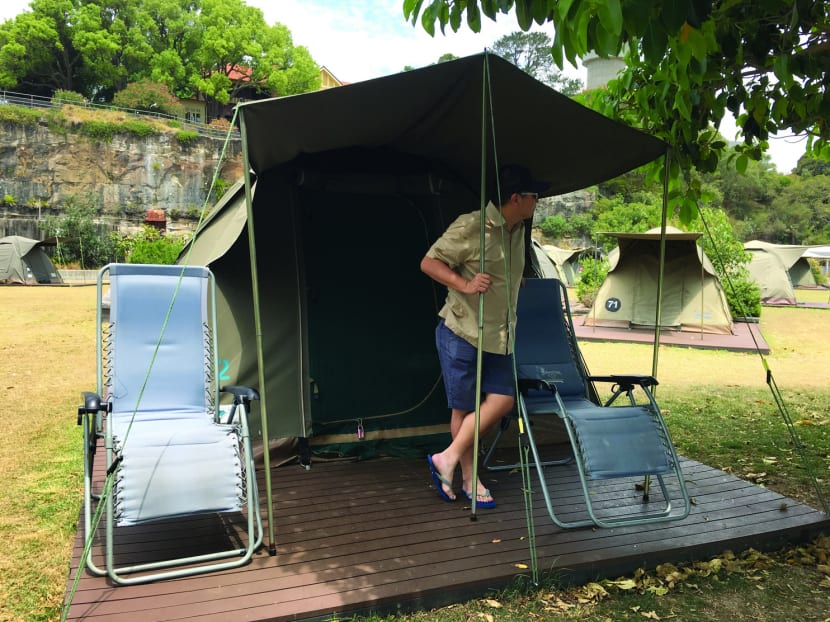
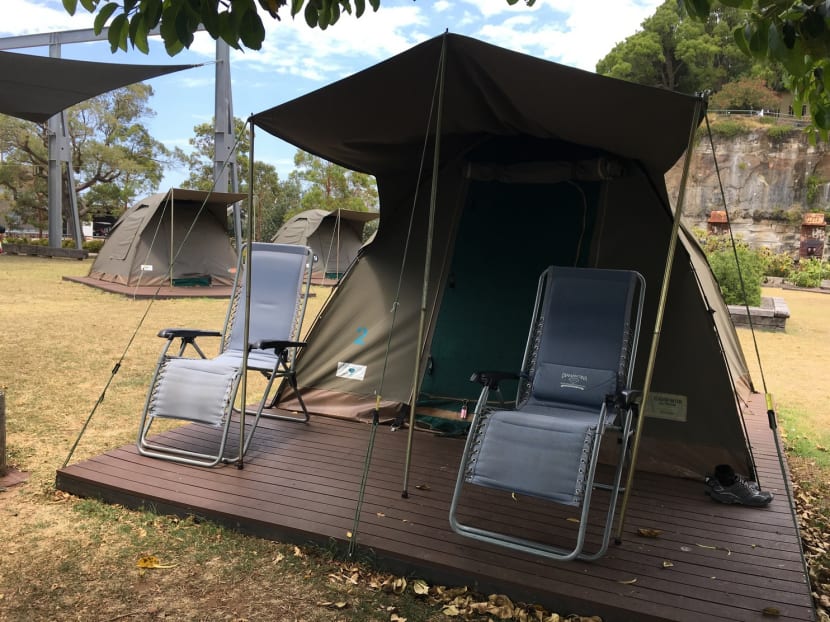
SYDNEY — Chilling out on a deck chair by the azure-blue waters on the largest island off Sydney Harbour, Cockatoo Island, I had just spent the night out in the open (well, almost) with my wife.
We were glamping (camping in style).
It was her idea that we try this glamping experience during our 12-day holiday to Sydney. “One night, just for the fun of it,” she exclaimed, when I was making accommodation bookings for the trip Down Under.
And so, after a week of sightseeing in Sydney — including two days in the beautiful Hunter Valley wine region — we arrived at Cockatoo via a 15-minute ferry ride from Circular Quay like excited kids on our first school excursion. Even an incoming storm on this otherwise cheerful summer afternoon could not dampen our spirits.
Would we have the whole island — all 18 hectares of it — to ourselves, considering that it was a weekday? Would we encounter something supernatural, given this World Heritage Site’s interesting history as a jail, girls’ reformatory and a naval dockyard over the past century? Plus, one of the first things that greeted us upon disembarkation at the wharf was a signboard that said “Ghosts of Bileola — discover the history of the Bileola Reform School for Girls”. You can even sign up for a 90-minute Haunted History Night Tour.
But first things first — a quick stop at the Visitors’ Centre, where we duly declared that we had not brought alcohol to Cockatoo. The Sydney Harbour Federation Trust, which manages the island, does not allow campers to do so. Alcoholic drinks can still be purchased and consumed at the island’s small alfresco cafe, Societe Overboard. The only catch? It closes at 4pm, which was also why we had packed some sandwiches and salad for our dinner.
Checking in at our A$150-a-night (S$160) “room” by the water’s edge was a breeze. Once we were handed the key and a Coleman camping lantern, we were on our way. There was no porter on hand to carry our bags to the tent, but thankfully, we did not have to pitch our own tent.
The glamping package included one pre-erected Safari tent (3m by 3m), two single raised camp beds with crisp white sheets and a wonderful duvet, plus two sun lounges as well as towels and toiletries straight out of a four-star hotel. Given its size, there is no private bathroom — it is a camping experience after all.
There are cheaper options, such as “mini-glamping”, where you get a smaller tent (A$130 a night) or ‘normal’ camping, with sleeping mats instead of camp beds (A$89 a night).
We were assigned Tent No 2, a stone’s throw from the wharf, where the island’s sole security officer is based around the clock. Crucially, it was also a short walk to the toilets and showers. Across the Parramatta River, we could see some nice houses about 1km away on the shore.
After dropping our bags off, we set about exploring the island, where parts of Angelina Jolie’s 2014 war movie Unbroken were filmed.
The island was far from isolated. Besides day visitors and other campers, there were workers from a few companies based on Cockatoo.
With the remnants of old buildings from its past as a major shipbuilding and repair yard, the island has retained much of its former industrial-site feel. The Shipyard Stories exhibition on the Upper Island — accessible via a manageable flight of stairs — features good photographs and videos of dockyard life, and explains why Cockatoo was a powerhouse of industry for over 100 years.
The Upper Island is also where you can play tennis on a grass court that overlooks the iconic Harbour Bridge some 3km away, offering probably the best view from any tennis court in this part of Australia.
Tour done, rain over, it was time for dinner at the brightly lit campsite kitchen. It had electric barbecue pits, a refrigerator, vending machines and power points for campers to charge their mobile phones and other electronic devices. But there is no Wi-Fi, which is not a bad thing. The whole idea of glamping on an island is to disconnect from work and connect with your loved ones under a clear sky.
When it was time to call it a night, we snuggled into the warm and cosy bed, and zipped up the tent from inside. It was pitch-black inside once we had switched off the camping lantern.
Lying in bed, it dawned on me that the last time I slept outdoors was during my last in-camp training almost 15 years ago. For the missus, it was even further back, when she was in secondary school.
No Ghosts of Bileola visited us that night; both of us were knocked out in no time. For light sleepers, however, some noise from planes and the incessant squawking and wailing of seagulls throughout the night might be an issue.
“Should have brought earplugs,” said my wife as we woke to crisp morning air with bright blue skies.
All in, it was an interesting and relaxing 20 hours on the island. Next time, perhaps we will try the four-person tent and stay for two nights with friends. It would be fun having a barbeque and playing-hide-and-seek on the island.
And I will remember the earplugs the next time.
Stay in the know. Anytime. Anywhere.

Subscribe to our newsletter for the top features, insights and must reads delivered straight to your inbox.
By clicking subscribe, I agree for my personal data to be used to send me TODAY newsletters, promotional offers and for research and analysis.






