
Hamburg: A city by the sea
First time visitors to Hamburg are almost immediately enthusiastic about its maritime charms.
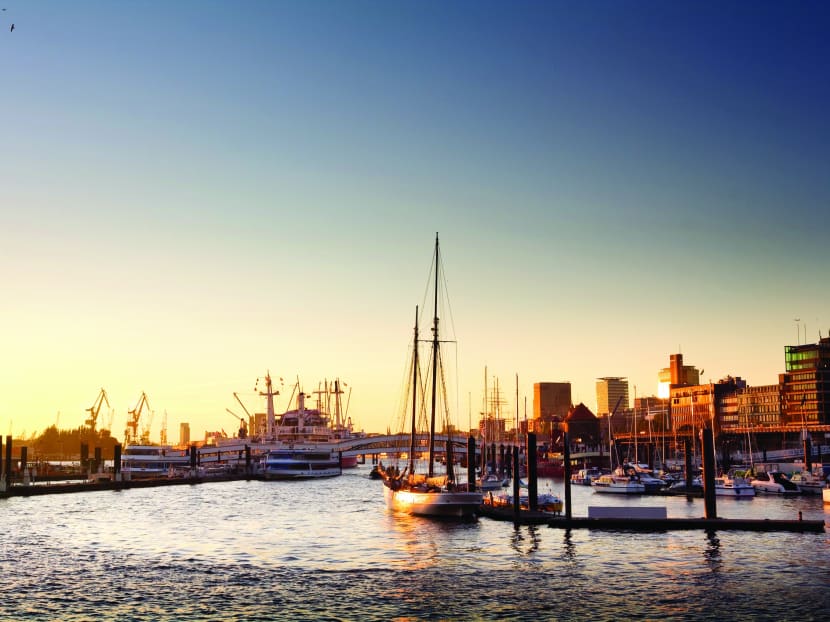
First time visitors to Hamburg are almost immediately enthusiastic about its maritime charms.
Located on the edge of the River Elbe, Hamburg’s port and shipyards are some of the world’s busiest. For centuries, maritime trade has made the city wealthy enough to become one of the richest metropolitan areas in the European Union. The same docks have also witnessed millions of travellers making their way to the newer domains — or returning to its shores —giving the port its other name, “the gateway to the world”.
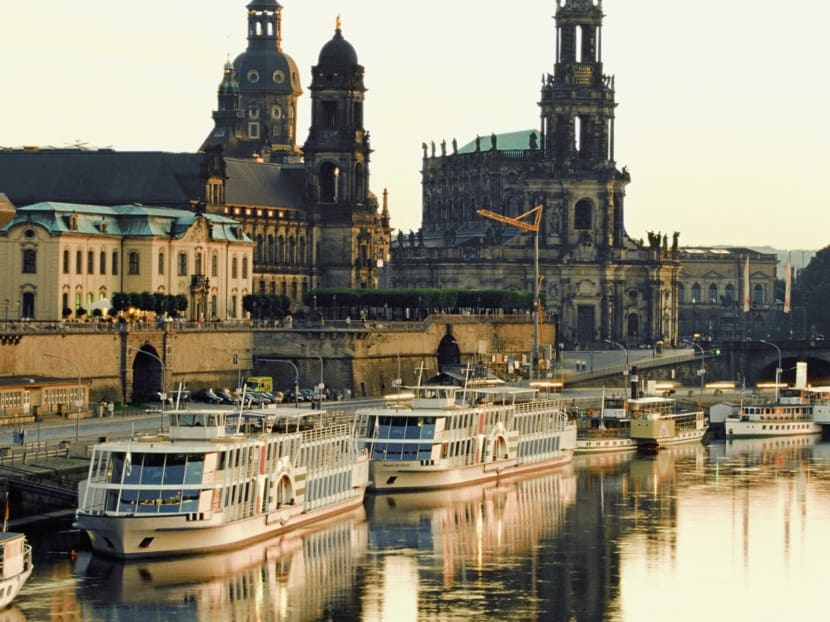
Cruising along the Elbe ranks at the top of any itinerary to Hamburg, which bustles with a population of 1.8 million. The wide expanses of the river, which criss-crosses the city like Venetian canals, have sights aplenty. The vista on the water and adjoining shores range from historic seagoing vessels and giant container ships to maritime memorials, romantic piers and a stunning architectural silhouette of old and new. The skyline is dominated by tall spires of Hamburg’s several churches and this provides a good understanding of the city’s long mercantile and cultural heritage.
Hamburg also boasts a picturesque lake which forms the showpiece of the city centre and the nearby residential suburbs. Sailing on the tranquil lake unveils another view — the elegant side of the cosmopolitan city which has gone through many rough patches during its 800 years of existence.
Hamburg was almost reduced to rubble by Allied bombing during World War II, but in the last six decades, it has reshaped itself to emerge as a destination with all contemporary lifestyle convenieces, from glittering shopping malls and efficient transportation to luxury hotels, bars and cafes.
SOMETHING FOR EVERYONE
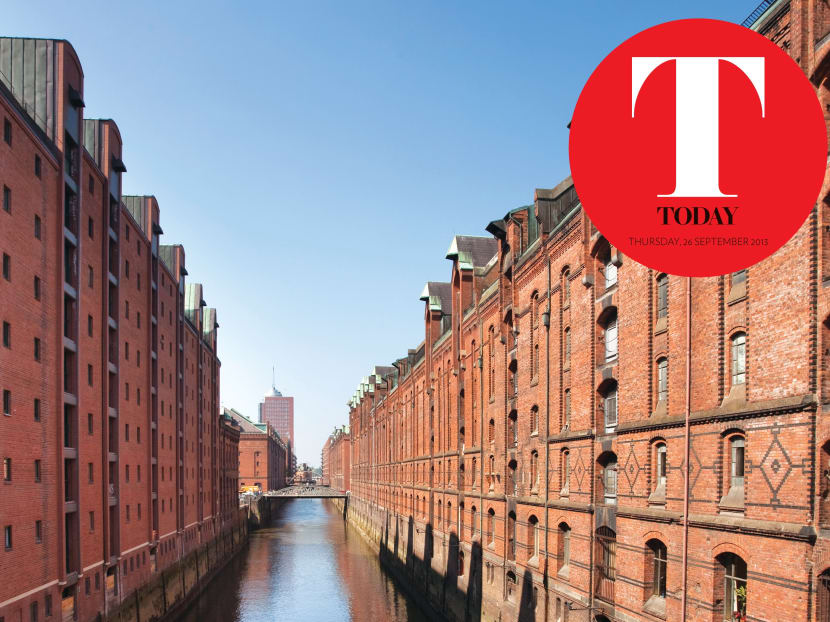
However, the past hasn’t been lost; the cityscape still reflects the days of yore, combining modernity with well-preserved antiquity. And it is most evident when browsing through the neo-Gothic Speichsterstadt warehouse blocks — an impressive red-brick building flanking a waterway flushed with elegant bridges.
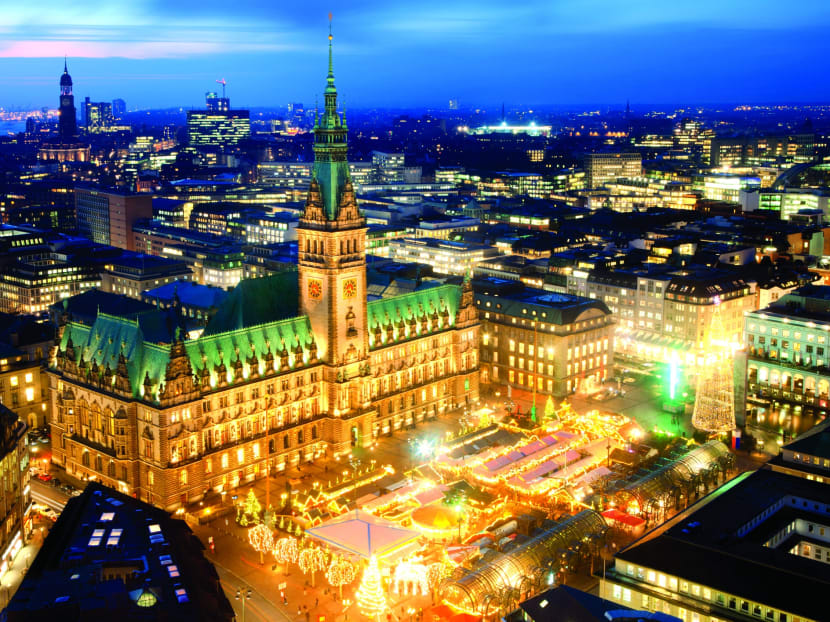
History buffs can enjoy hanging out at the city centre, where life buzzes around the imposing City Hall which remains one of the few completely-preserved historical buildings in Hamburg. This neo-renaissance structure has more than 600 rooms and presides over a paved square bustling with people patronising the shops and eateries. Both locals and tourists say this is where the heart of the city beats.
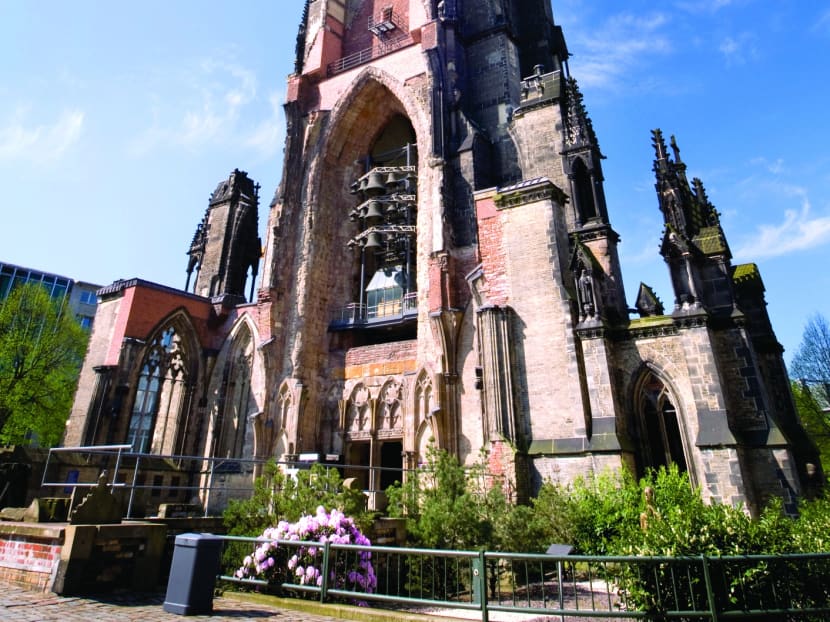
Nearby, several churches call for your attention, with the most significant being the St Nikolai Church. Famous for its towering steeple, and once recognised as the tallest in the world. The church was built in 1846, but burnt down during the World War II. Its charred remains today serve as a memorial for the victims of war.
A newly-installed lift hikes visitors to a platform 250 feet above ground from where the view is breathtaking, though the display of some old photographs inside the ruined church piqued my interest more. The series of black and white shots showing what war did to Hamburg not only exhibits the extent of the carnage but also gives one an idea about the scale of the city’s transformation.
Not far from St Nikolai sits the baroque-styled St Michael which claims to be Hamburg’s landmark. Guidebooks say no visit to the city is complete unless you visit St Michael, and have seen its large white and gold interior, surely an artistic revelation.
Experienced travellers to Europe claim that Hamburg is a good place to shop and I had to agree after browsing through some outlets in Jungfernstieg, the city’s most popular shopping stretch. Once, this promenade was popular with families, as they walked the stretch on Sunday afternoons with their unmarried daughters (or jungfern in German — hence its name). Now it’s all about retail therapy and fashion sprees in big department stores and exquisite shops, where the choice is wide and the quality is fine — but the prices in general remain less exorbitant than those in Paris, Vienna or London.
SEE - FOOD!
Hamburg lives with a reputation as a culinary innovator. This perhaps comes from the fact that our most popular fast food item — the hamburger — originated in this city in the late 18th century when hungry sailors who arrived at the city’s port were served a grilled meat patty between two pieces of bread.
Of course, there’s more to Hamburg’s cuisine than just a beef patty between two bun halves, as foodies will attest to. Thanks to its proximity to the sea, it’s no surprise that seafood is a must-have.
“An abundant supply of seafood and the worldwide trade of spices makes the food special here”, said a waterfront restaurant owner, as he served the catch of the day. He also recommended I visit the 300-year-old Fish Market, which not only sells fresh seafood just off the boat, but also some interesting fruits, nuts, and teas from all over the world.
This market is open only on Sundays from 5am to 9am. Despite having to wake up at the crack of dawn, I found the place worthy of a visit because of its lively atmosphere that assaults all your senses. German delicacies from food outlets also serve breakfast for night owls recovering from their Saturday night “fever”.
Indeed, Hamburg is famous for its nightlife and as the sun plunges into the west, the neon lights come on, and it becomes a party town. Locals and visitors storm into Reeperbahn, the city’s legendary entertainment and red light district. Crowded with a mix of bars and restaurants, night clubs, adult shops and strip joints, the vibrant quarter even draws the attention of the most conservative, who just want to get a sense of its eclectic and colourful ambiance.
Reeperbahn is also a must-visit site for Beatles fans. During the early ’60s, when The Beatles were still a quintet — John Lennon, Paul McCartney, George Harrison, as well as Stu Sutcliffe and Pete Best — they used to perform regularly at various nightclubs such as the Kaiserkeller and the Star Club. Along with many other bands from Liverpool, such as Rory Storm And The Hurricanes (which featured a drummer named Ringo Starr), The Beatles would play from dusk till dawn, and their growing reputation as live performers gave them the first recording break. (They recorded two songs: My Bonnie, backing then-rising star Tony Sheridan, and Ain’t She Sweet.)
“We were born in Liverpool, but grew up in Hamburg”, John Lennon once remarked. These days, Beatles fans from far and wide gather at the Beatles Memorial, which features stainless steel sculptures installed in a wayside paved area at Reeperbahn, and visit some of the nearby venues where the Fab Four performed.
The second largest city in Germany isn’t always on the radar as a tourist destination, but Hamburg definitely has all the necessary ingredients to make one fall in love with it, even on a short visit.
If you want to know more about Hamburg, visit www.hamburg-tourism.de.
Stay in the know. Anytime. Anywhere.

Subscribe to our newsletter for the top features, insights and must reads delivered straight to your inbox.
By clicking subscribe, I agree for my personal data to be used to send me TODAY newsletters, promotional offers and for research and analysis.






