
Knocking about Niagara
With some six million cubic feet of water thundering down per minute into a great cauldron of mist and noise, Niagara is an unforgettable sight. It is also the most accessible, given that major centres like Toronto and New York are mere hours away by highway.

With some six million cubic feet of water thundering down per minute into a great cauldron of mist and noise, Niagara is an unforgettable sight. It is also the most accessible, given that major centres like Toronto and New York are mere hours away by highway.
Instead of a day or weekend trip, spend a few days at this charming pocket of southwest Ontario to explore the rolling winelands, rich orchards, Broadway-class theatre festival and picturesque lakeside towns.
HORSESHOE FALLS AND THE CAVE OF THE WINDS
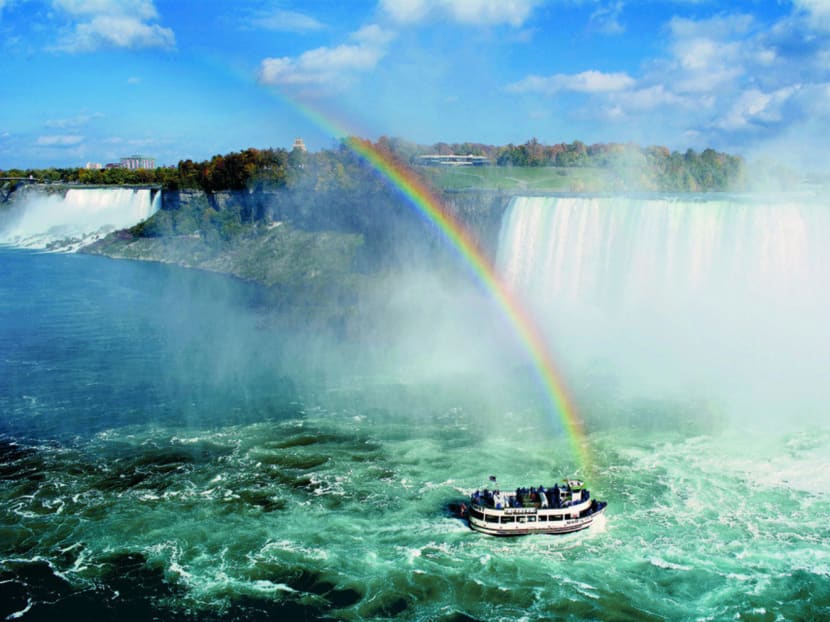
Niagara River borders the United States and Canada, and splits into waterfalls on both sides. The most-photographed part of Niagara Falls, the U-shaped Horseshoe Falls, lies in Canadian territory.
The small city of Niagara Falls, Ontario, borders these falls and pedestrians walking the main thoroughfare can get million-dollar views from the sidewalk. For close-ups, take the Maid of the Mist or Hornblower boats (S$20) that navigate past the American and Bridal Veil Falls to the cacophonous base of Horseshoe Falls. Just make sure your camera is waterproof.
Maid of the Mist operates only from the American side, allowing visitors to descend through the famed Cave of the Winds and follows a series of catwalks to the perpetually rainy Hurricane Deck, just 6m from the cascading water.
SMALL TOWN GRANDEUR
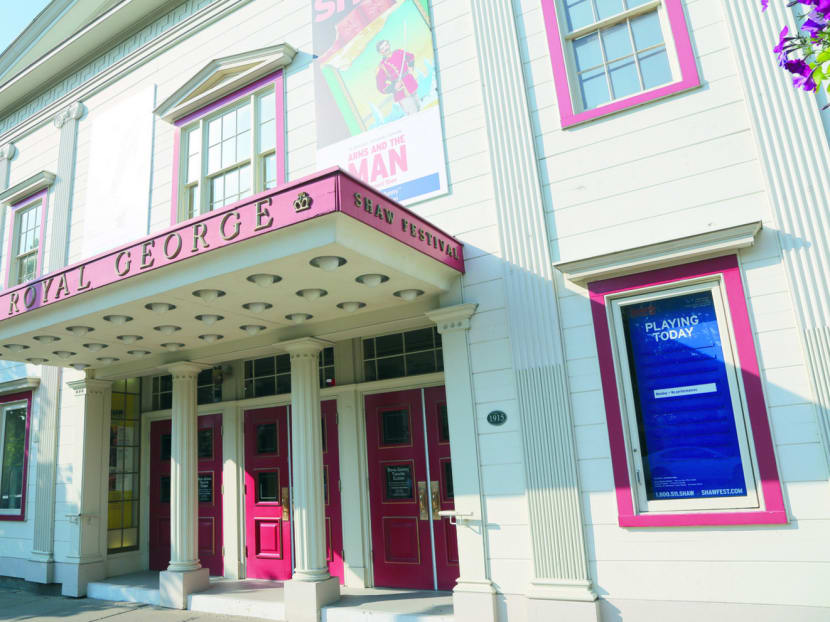
Once you’ve seen the Falls, visit the nearby town of Niagara-on-the-Lake, which boasts plush hotels that hark back to a more elegant era. Here, you’ll also get to attend the Shaw Festival, which runs from April to October each year. It is one of Canada’s premier drama events, with Broadway-class entertainment scattered across three major theatres. From Chekhov to George Bernard Shaw (after whom the festival is named), there’s a play to tickle your dramatic fancy.
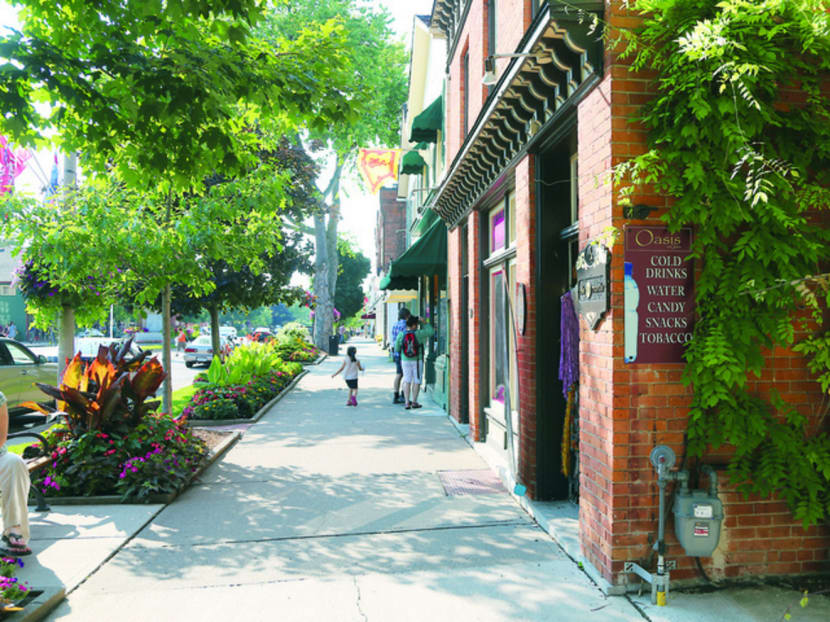
The town’s main street is a charming 19th-century walk of bakeries, ice-cream parlours, restaurants, and specialty shops. Here, you’ll find Canada in everything from Tilley hats to Anne-of-Green-Gables soda pop and the best maple fudge this side of Quebec. There are shops specialising in colonial-era antiques, art galleries and bookstores of the sort that vanished long ago from larger cities. The Niagara Golf Club makes for a perfect al fresco dining experience as the sun sets behind Old Fort Niagara — just a stone’s throw across on the American side.
WINELANDS AND ORCHARDS
Canada’s Niagara Peninsula produces about 75 per cent of the country’s vintage. A gentle climate, long-growing season (thanks to the rocky ridge of Niagara Escarpment to the north) and a century of cultivation let these lowlands produce world-class North American wines.
The climate is ideal for grapes like Riesling, Chardonnay, Pinot Noir and Cabernet Franc. Some of the best known wineries are Peller Estates, Jackson-Tiggs, and Fielding estates, all of which offer tours and wine tastings. There’s also a wine route that visitors can follow.
But what really puts the Niagara region on the world map is icewine — a variety produced when grapes are frozen on the vine and handpicked at -8°C or lower. In fact, Niagara-on-the-Lake holds a special festival dedicated to the tipple each January.
You’ll also see orchards growing peaches, plums, cherries, apples and pears. In summer and autumn, roadside stalls abound in colourful plenty. There’s nothing like a basket of freshly picked harvest to add to your Niagara experience. Some farms even allow you to pick your own.
Stay in the know. Anytime. Anywhere.

Subscribe to our newsletter for the top features, insights and must reads delivered straight to your inbox.
By clicking subscribe, I agree for my personal data to be used to send me TODAY newsletters, promotional offers and for research and analysis.






