
Abandoned war site at Marsiling added to list of NHB guided tours
SINGAPORE — With no tracks or a path in sight, the dense Marsiling jungle is one area where many city slickers are likely to give a miss.

SINGAPORE — With no tracks or a path in sight, the dense Marsiling jungle is one area where many city slickers are likely to give a miss.
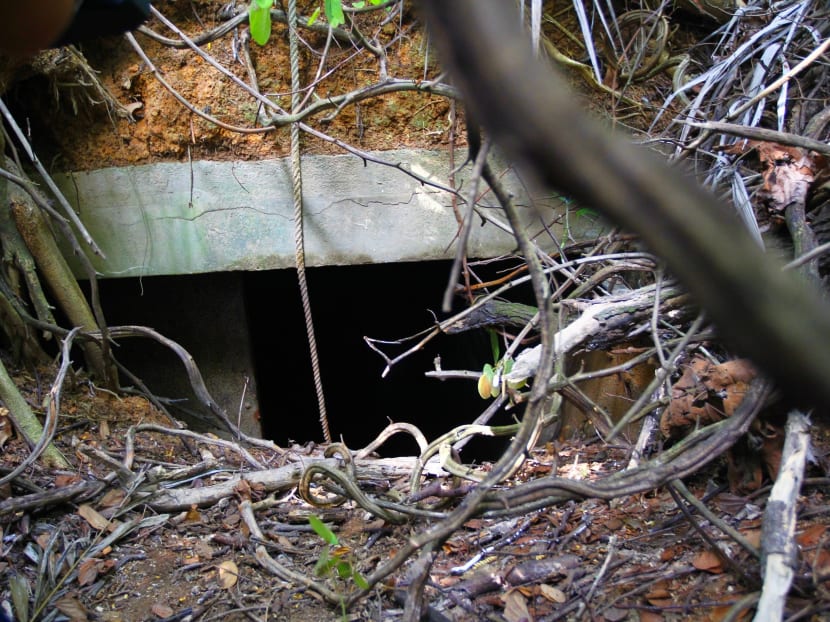
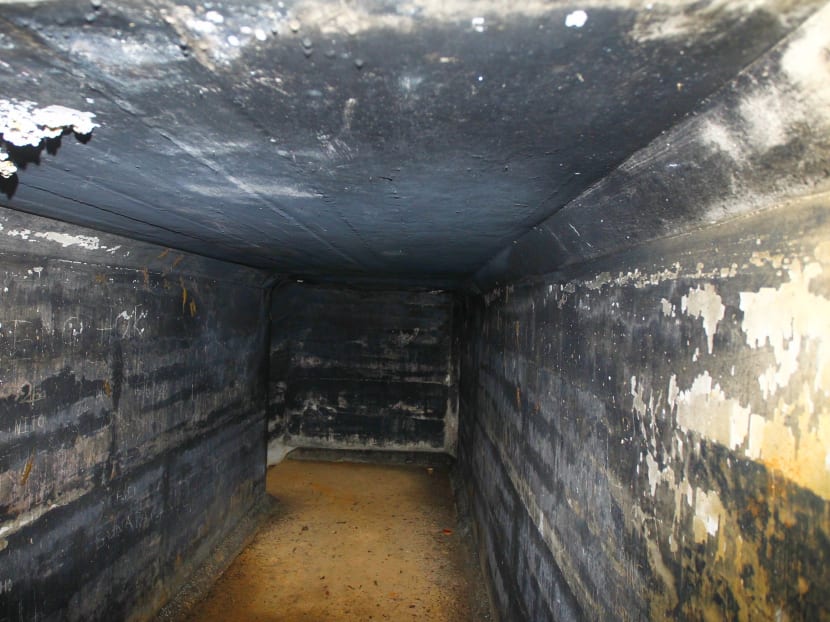
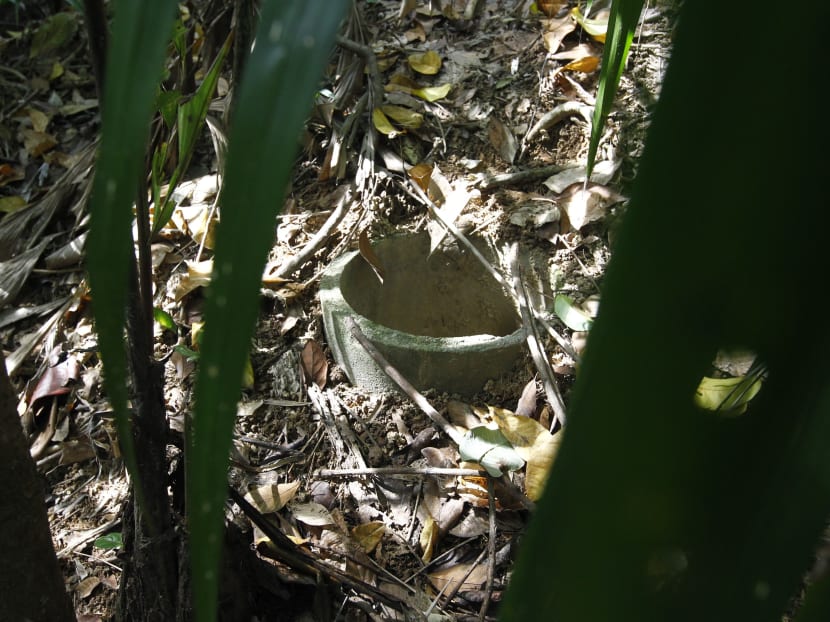
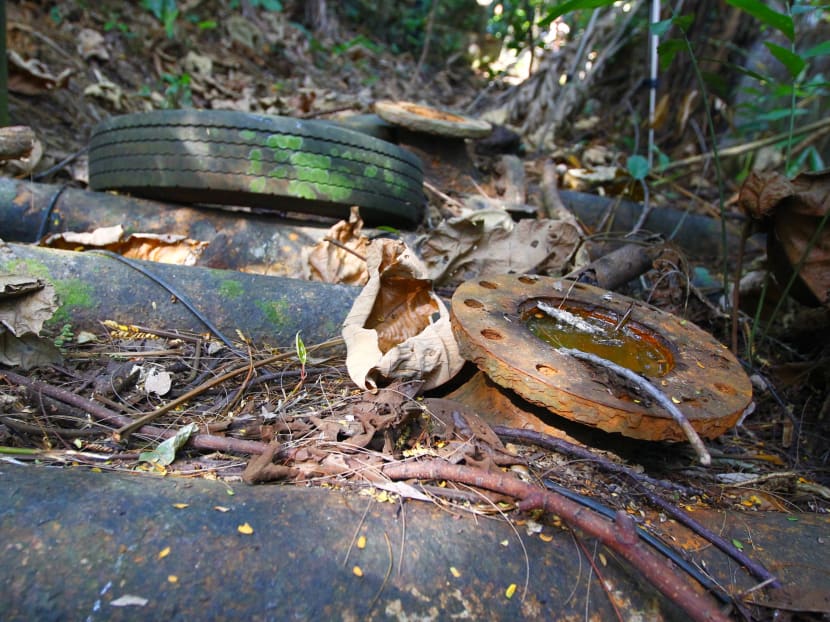
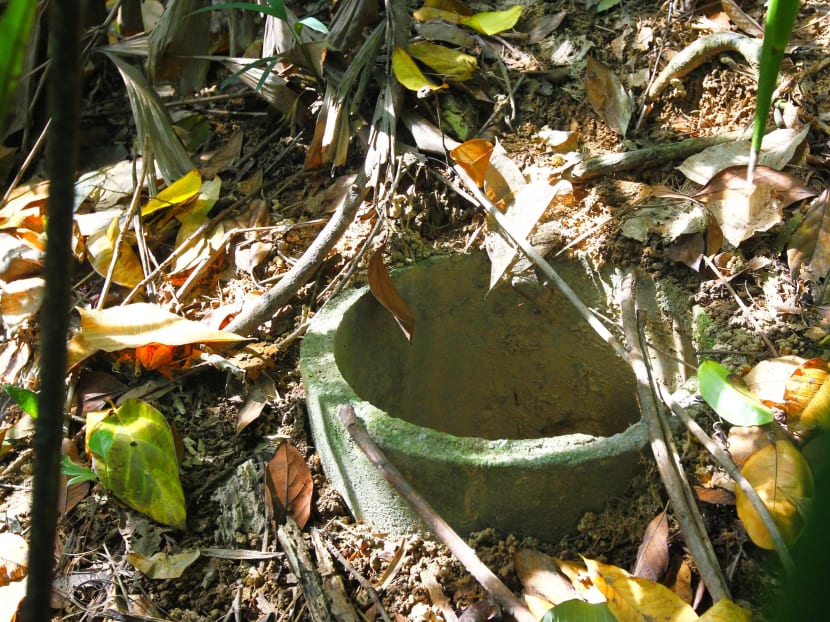
But underneath all that thick vegetation lies an abandoned war site that was once used as a fuel reserve depot by the British Royal Air Force and later the Japanese imperial army, for their aviation fleets during World War II.
To commemorate the 72nd anniversary of the Battle of Singapore this year, the site, which has several sealed tunnels, has been added to the list of guided tours by the National Heritage Board (NHB).
The Battle of Singapore, which took place between Feb 8 and Feb 15, 1942, ended with the fall of Singapore, then a British colony, to the invading Japanese imperial army.
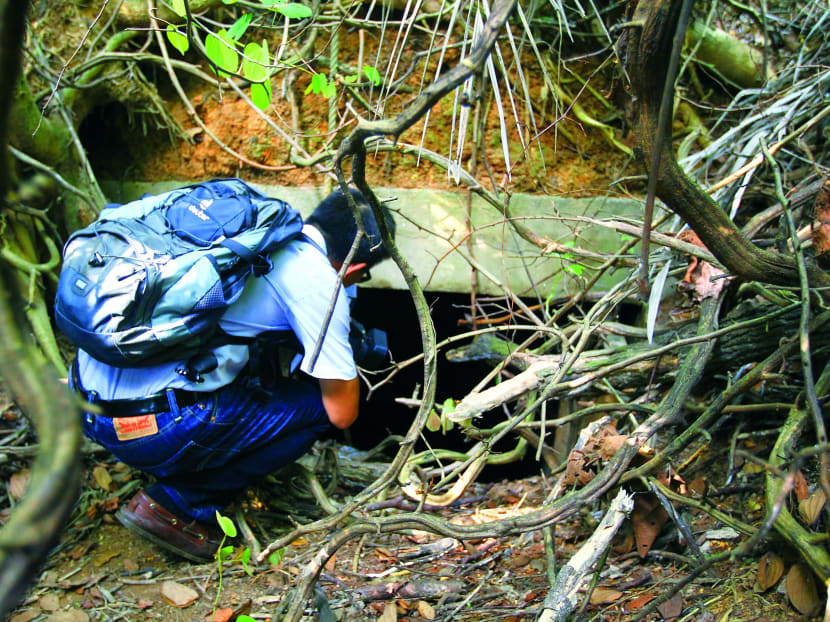
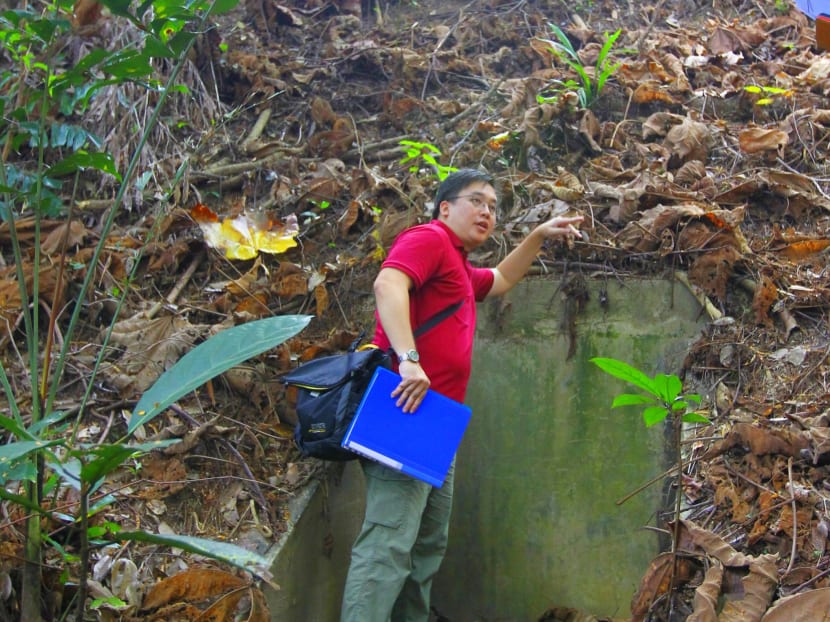
Participants in the Marsiling Tunnels Tour will assemble at Kranji MRT Station and be taken by bus to the jungle. They will then trek through a 100m inclining terrain to the site. Although the site has several tunnels, participants will not able to explore them since they have been sealed. The NHB said the tunnels were last seen opened in 2008. It is not known who sealed the tunnels.
When asked if the board is planning to unseal the tunnels for future use, Group Director for Policy Alvin Tan said: “NHB is presently embarking on a fact-finding exercise, and will explore the possibility of opening the tunnels with the relevant agency (or) agencies, subject to an assessment of the tunnels’ structural integrity and other safety considerations.”
Based on wartime intelligence reports and declassified documents obtained from the United Kingdom’s national archives, NHB researchers found that the Marsiling site, despite its close proximity to a British naval base, was actually used as a fuel reserve facility for the Royal Air Force, not the Royal Navy.
During the Japanese Occupation of Singapore in the early 1940s, the imperial army modified the facility and included five tanks to store fuel. While most war structures built by the Japanese were destroyed after they surrendered in 1945, the facility at the site is “still intact due to its remote and isolated location”, said Mr Tan.
Apart from The Marsiling Tunnels Tour, four other tours will be available to the public between Feb 8 and Feb 15. They include a visit to the Tiong Bahru Air Raid Shelter Tours, and a night tour at Opium Hill where the battle between the Malay Regiment and Japanese soldiers took place. All the tours are free.
For more information on the Battle of Singapore Tours and registration details, visit www.nhb.gov.sg and www.museums.com.sg.
Stay in the know. Anytime. Anywhere.

Subscribe to our newsletter for the top features, insights and must reads delivered straight to your inbox.
By clicking subscribe, I agree for my personal data to be used to send me TODAY newsletters, promotional offers and for research and analysis.






