
Apex court acquits man of drug trafficking, spares him from death penalty
SINGAPORE — A 27-year-old man was acquitted of a capital drug trafficking offence in the Court of Appeal on Thursday (April 23), after five appeal judges found that he did not know that his friend was trafficking heroin at the time.
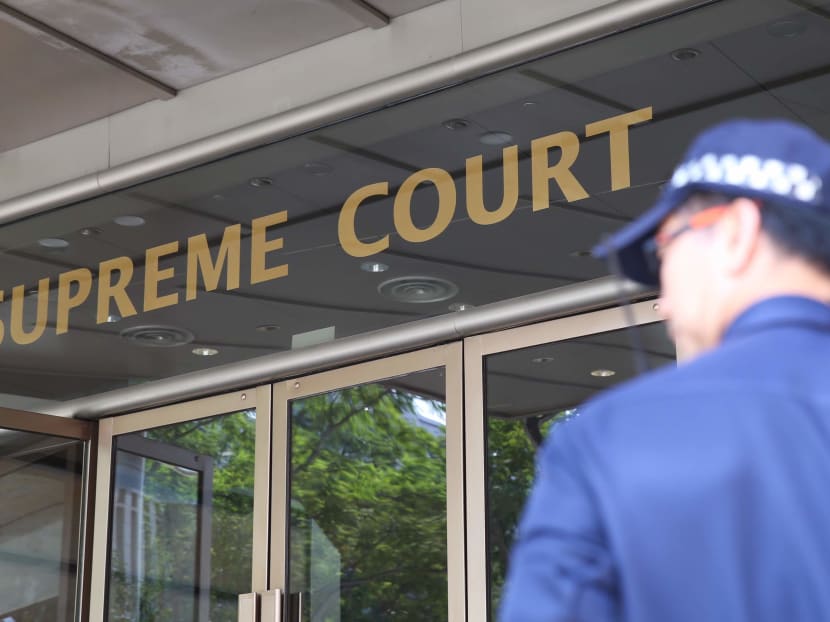
Mohammad Azli Mohammad Salleh was found guilty last year in the High Court of abetting a friend who was trafficking drugs. The apex court overturned the conviction on April 23, 2020.



SINGAPORE — A 27-year-old man was acquitted of a capital drug trafficking offence in the Court of Appeal on Thursday (April 23), after five appeal judges found that he did not know that his friend was trafficking heroin at the time.
Mohammad Azli Mohammad Salleh was found guilty last year in the High Court of abetting Roszaidi Osman, 48, and was handed the death penalty.
He appealed against the decision and was spared the hangman’s noose by the apex court.
WHAT HAPPENED
On Oct 5, 2015, Azli drove Roszaidi to Bulim Avenue in Jurong West. There, Roszaidi collected two packets of heroin — weighing at least 32.54g — and three methamphetamine packets from another man, Aishamudin Jamaludin, 35.
Azli then took Roszaidi to meet Roszaidi’s wife at their home to pass her the drugs.
Narcotics officers arrested the three men that evening after tailing Aishamudin’s lorry.
Aishamudin, a Malaysian, was sentenced last year to 25 years’ jail and 15 strokes of the cane after a High Court judge reduced his charge to a non-capital one over a technicality.
Azli and Roszaidi, both Singaporeans, were sentenced to the death penalty. They appealed against their convictions and sentences.
HE ONLY KNEW OF DRUGS WHEN GIVING HIS STATEMENT
Prosecutors argued that Azli abetted Roszaidi by driving him around with the knowledge that Roszaidi was going to collect and deliver heroin.
Azli’s defence was that he knew nothing about the other man’s drug activities, and there was no agreement with him to collect and deliver drugs.
But the panel of judges found that Azli knew his friend was going to be involved in such activities, having also brought along a weighing scale on Roszaidi’s instructions.
While the judges ruled that Azli was in joint possession of the drugs, the crucial question they considered was whether he knew specifically that the drugs were heroin.
“The fact that we have rejected his contention that he had no knowledge at all that controlled drugs were involved plainly does not, in and of itself, lead to the conclusion that Azli must therefore have known that the drugs were heroin,” said Chief Justice Sundaresh Menon, who delivered the court’s 55-page judgment.
The judges ruled that the more plausible explanation was Azli only knew of the drugs at the time he gave his statement to the authorities, not when he was helping Roszaidi.
Moreover, Azli had told the authorities later that day that he believed Roszaidi dealt only with methamphetamine.
Chief Justice Menon added: “On the evidence, the most that can be said is that he believed that Roszaidi was going to collect and transport methamphetamine on the night of the offence.
“The remaining evidence demonstrates, at best, only that Azli knew of Roszaidi’s involvement in drug trafficking in general, as opposed to his having known of and agreed to assist Roszaidi in trafficking in (heroin) at the material time of the offence.”
The judges also noted that the prosecution had failed to prove that Azli was aware of Roszaidi's intention to traffick heroin.
As Azli was only charged over the heroin, the judges found it inappropriate to amend the charge.
They directed the public prosecutor to consider if it wants to pursue further charges in relation to the methamphetamine involved.
Azli was defended by Mr Mervyn Cheong, Mr Lau Kah Hee and Mr Melvin Loh.
THE OTHER MEN INVOLVED
On Thursday, the apex court upheld Roszaidi’s conviction, but sent his case back to the High Court to see if he qualified for life imprisonment instead through the alternative sentencing regime under the Misuse of Drugs Act.
Convicted drug traffickers can be sentenced to life imprisonment instead of death, if the court finds them to be mere couriers and the public prosecutor grants them a certificate of substantive assistance for aiding the Central Narcotics Bureau in disrupting drug trafficking activities.
In delivering the judgment on both Roszaidi’s and Azli’s appeals, Chief Justice Menon highlighted the importance of considering the alternative regime during trials.
Neither Roszaidi’s lawyers, the prosecution nor the High Court judge appeared to have done so, said Chief Justice Menon, who ordered the lower court judge to hear further psychiatric evidence from Roszaidi.
As for the amendment of Aishamudin’s charge in the High Court, the prosecution is appealing against this.
The apex court will give its decision on that in a later judgment.
Related topics
drugs drug trafficking death penalty court crimeStay in the know. Anytime. Anywhere.

Subscribe to our newsletter for the top features, insights and must reads delivered straight to your inbox.
By clicking subscribe, I agree for my personal data to be used to send me TODAY newsletters, promotional offers and for research and analysis.






