
Coroner raps surgeon for not properly handing over post-operative care of elderly woman, who later died
SINGAPORE — A day after performing total knee replacement surgery on a 78-year-old woman, orthopaedic surgeon Sean Ng left Singapore for a medical conference.
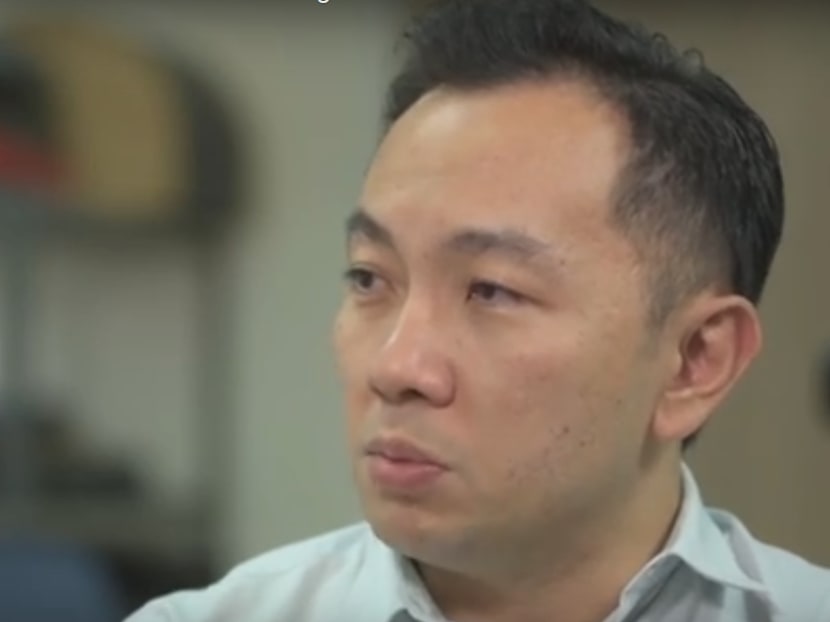
Yuen Ingeborg, 78, died six days after undergoing a total knee replacement surgery done by orthopaedic surgeon Sean Ng (pictured).



SINGAPORE — A day after performing total knee replacement surgery on a 78-year-old woman, orthopaedic surgeon Sean Ng left Singapore for a medical conference.
However, he did not hand over post-operative care of the patient, Yuen Ingeborg, to another specialist.
He also made retrospective clinical notes after returning here — a breach of the Singapore Medical Council’s guidelines — when her condition worsened.
Ingeborg, a Singapore permanent resident from Germany, died in Mount Elizabeth Hospital on Nov 7, 2016, six days after the surgery.
State Coroner Kamala Ponnampalam said on Monday (Sept 16): “Dr Ng’s failure to arrange for cover and then not to have made conscientious notes knowing that he is going to be away, goes beyond mere human error. It demonstrated a clear departure from the standards expected of a physician who had primary care of a post-surgery patient.”
However, she said that there is no basis to suspect foul play, and all the medical professionals involved had “acted with the best of intentions”.
In her written findings from a seven-day coroner’s inquiry into Ingeborg’s death, she also suggested introducing a policy mandating that doctors giving primary care to such patients must arrange for another doctor to cover him if he is unavailable.
While coroners are not allowed to determine liability, State Coroner Kamala noted that they often need to examine individual conduct or institutions’ systems to determine what caused the death.
She said that Dr Ng’s failure to hand over care was “injudicious”, and could have led to a delay in detecting that Ingeborg’s limb had turned ischaemic. This is when blood flow is suddenly cut off.
MADE NOTES AFTER RETURN FROM TRIP
Dr Ng testified that he suggested performing the surgery after he returned from his conference, but Ingeborg insisted on having it done before his departure, though she did not state why.
He reviewed her right after the surgery, noting that she was alert and comfortable but that her left lower limb was still numb. However, the clinical entries on this were found to have been made retrospectively after she got worse and he returned to Singapore.
Before leaving for his conference in Tokyo, Japan on the afternoon of Nov 2, 2016, Dr Ng reviewed Ingeborg again in the morning.
Again, he made retrospective entries on this, which he asserted was because he wanted the documentation to be complete.
Before flying off, he called to check on Ingeborg and was told that everything was fine, with no mention that her lower left limb was cold.
The nurses told him later that night that Ingeborg’s limb was cold, which he knew was a bad sign. He called the consultant anaesthetist who was present during Ingeborg’s surgery, and he told Dr Ng to continue with his trip.
Ingeborg’s limb was found to be ischaemic when she experienced acute pain. Three surgeons performed emergency surgery on her.
However, she continued to deteriorate and her leg was amputated above the knee to save her life. She then went into cardiac arrest on Nov 4, 2016.
Dr Ng returned to Singapore the next day, but Ingeborg died two days later.
He told the court that he did not hand over care of Ingeborg to another specialist during his absence, as there were no post-surgical complications before his departure and her progress was acceptable.
'CUT AN ARTERY AND VEIN'
One of the two independent experts who testified during the inquiry said that Dr Ng had cut an artery and vein in Ingeborg’s leg during the initial knee surgery, which led to the ischaemia.
A forensic pathologist certified Ingeborg’s cause of death as multi-organ failure, following the complication.
Dr Tang Jun Yip from the Singapore General Hospital (SGH) said that arterial complications from total knee replacement operations are relatively rare, but are a known risk and should have been accounted for.
The vascular surgeon said that in Ingeborg’s case, the failure to detect and make sufficient repairs to the complication directly contributed to the delay in recognising the ischaemic limb. That consequently led to her death.
State Coroner Kamala found that there was no suggestion of a surgical complication during the operation.
However, she noted that after the surgery, the nurses who attended to Ingeborg made only brief and sometimes inaccurate notes. Dr Ng did not make any notes on neurovascular examination before leaving the country as well.
Professor Yeo Seng Jin, a senior consultant in SGH’s department of orthopaedic surgery, said that Dr Ng's retrospective notes contradicted the nursing charts at one point.
Since Ingeborg’s death, Mount Elizabeth Hospital has reviewed its nursing protocols for post-surgery care for total knee replacement procedures. Nurses are now required to conduct and document limb circulation assessments, which State Coroner Kamala hopes will improve patient monitoring.
On Dr Ng, the coroner noted that his decision not to arrange for a specialist to take over him was “short-sighted”.
“The retrospective entries made days after, were unhelpful as Ingeborg’s condition had severely deteriorated by then,” she said.
She also pointed to the need for guidelines for a proper handover. “Observation charts could be introduced to enhance the physician’s ability to document and track key observations and to alert him and the other clinicians to an abnormal reading,” she added.
Related topics
court orthopaedic surgeon coroner death knee replacement surgery Mount Elizabeth HospitalStay in the know. Anytime. Anywhere.

Subscribe to our newsletter for the top features, insights and must reads delivered straight to your inbox.
By clicking subscribe, I agree for my personal data to be used to send me TODAY newsletters, promotional offers and for research and analysis.






