
Singapore lab prepared to screen Ebola patients: Ng Eng Hen
SINGAPORE – Since August, a laboratory run by the Defence Science Organisation (DSO) has been set up, which can detect Ebola cases within 48 hours and refer them to the Ministry of Health (MOH).

SINGAPORE – Since August, a laboratory run by the Defence Science Organisation (DSO) has been set up, which can detect Ebola cases within 48 hours and refer them to the Ministry of Health (MOH).
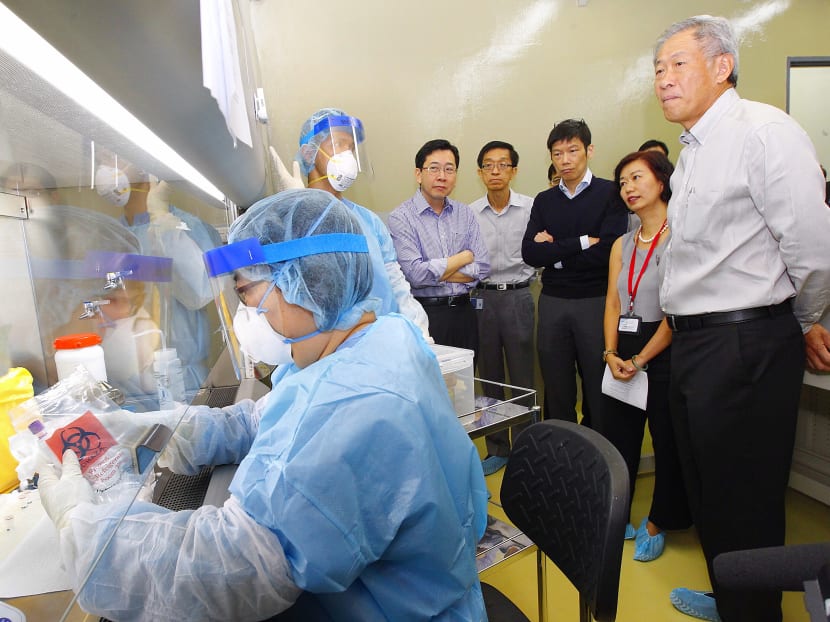
The media was today (Dec 5) given a glimpse of the DSO’s Clinical Diagnostic Services Laboratory for the first time since the Ebola outbreak.
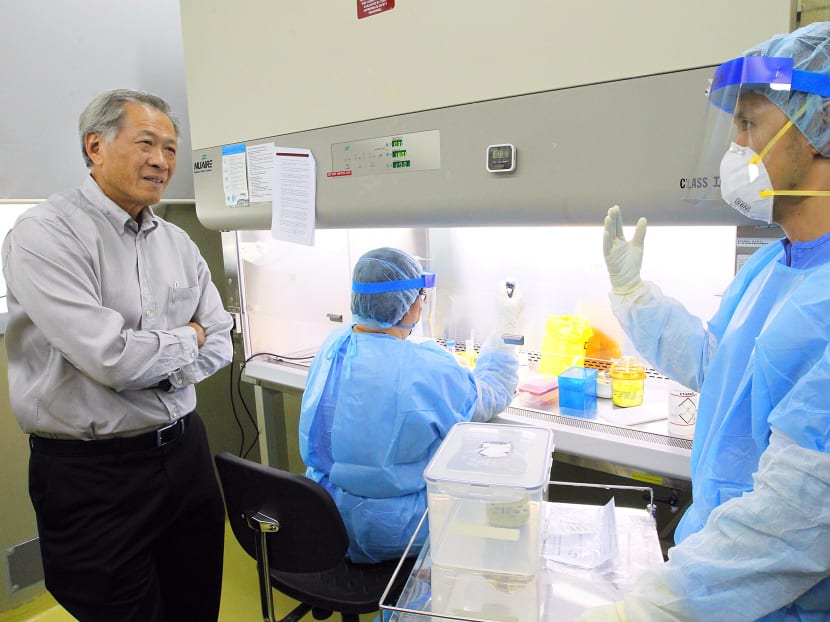
The biosafety level three lab, with level four being the highest, was given the thumbs up by Defence Minister Ng Eng Hen after he visited it today.
“If an infected Ebola patient does come here, I think they are prepared, and to me, that’s very reassuring,” said Dr Ng of the lab, which has been designated by MOH as the national testing facility for suspected Ebola cases.
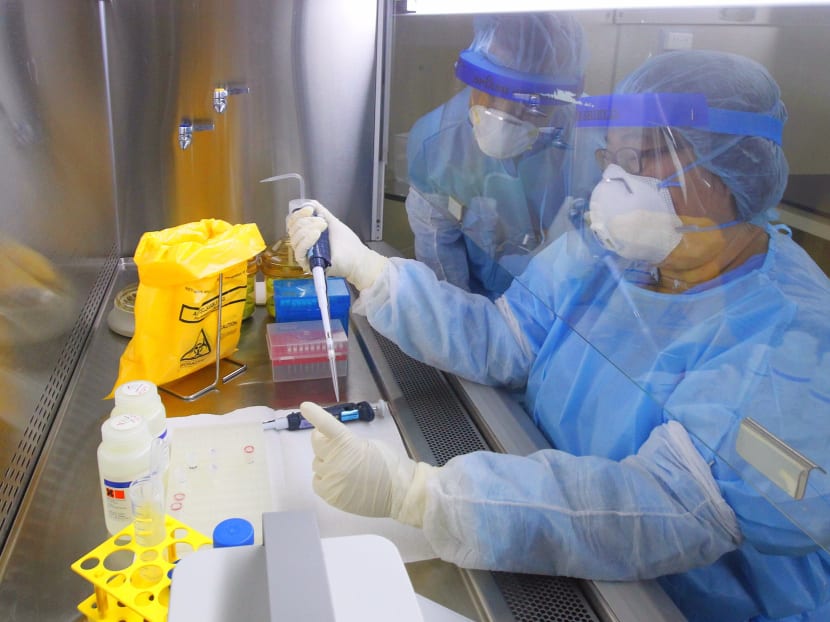
Blood samples that are received from suspected Ebola patients are first sent to the lab’s biosafety level three facility and heated at 60°C for an hour to kill any viruses. The samples are then sent to the lab’s biosafety level two facility in an air-tight container where scientists conduct tests to determine any presence of the Ebola virus.
So far, the lab has tested two Ebola virus samples, which have turned out to be negative. Both tests were completed in less than seven hours.
Reports suggest that numerous healthcare workers have been infected by the Ebola virus after being exposed to it while caring for infected patients
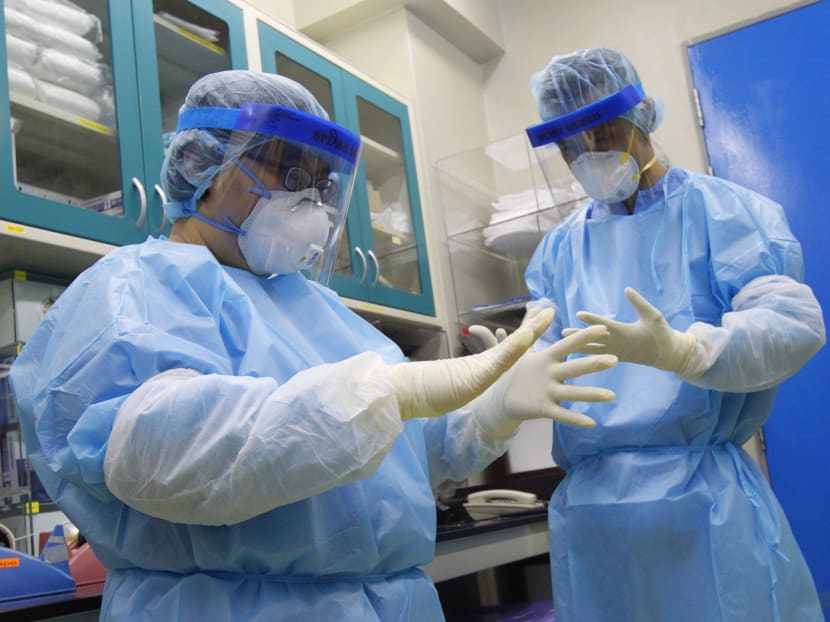
Due to the virulent nature of the virus, staff working at the biosafety level 3 facility are required to take stringent preventive measures by putting on personal protective equipment such as protective clothing, N95 masks, gloves and face shields. The air leaving the labs and biosafety cabinets is also filtered to prevent the virus from escaping the facility.
Director for DSO’s Biological Defence Programme Tan Boon Huan said the laboratory is well-equipped to screen for the Ebola virus because its personnel are experts who have dealt with viruses such as SARS and the H1N1 influenza virus in the past.
“The basic assay (diagnostic tests) for the Ebola virus was already developed (in year 2000), as well as facilities like the BLR3 (biosafety level three) to process the samples and test for viruses,” she added.
The Ebola virus has killed around 6,000 people in West Africa in the worst outbreak yet. It has also afflicted countries like Spain and the United States.
Stay in the know. Anytime. Anywhere.

Subscribe to our newsletter for the top features, insights and must reads delivered straight to your inbox.
By clicking subscribe, I agree for my personal data to be used to send me TODAY newsletters, promotional offers and for research and analysis.






