
Faster detection of tropical diseases with new biochip
SINGAPORE — Thirteen tropical diseases and their subspecies can now be detected in two to three hours rather than in days or weeks, with a new biochip that can identify these diseases from a single blood sample.
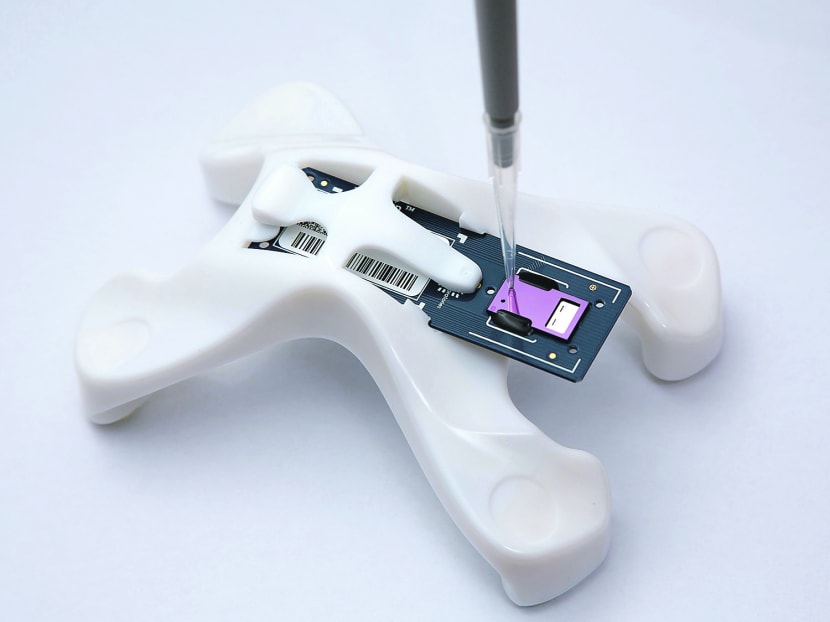
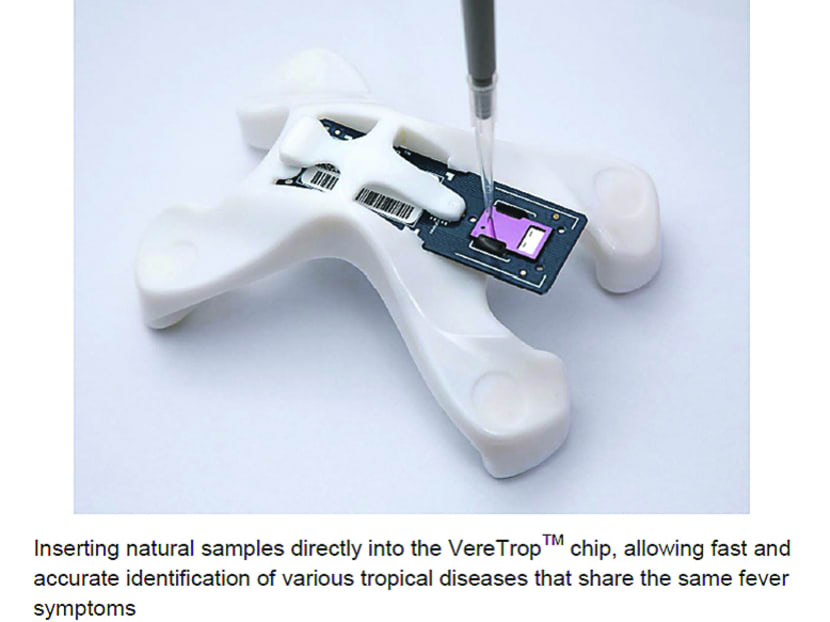

SINGAPORE — Thirteen tropical diseases and their subspecies can now be detected in two to three hours rather than in days or weeks, with a new biochip that can identify these diseases from a single blood sample.
The biochip, called VereTrop, was launched yesterday by the Agency for Science, Technology and Research (A*STAR) and Veredus Laboratories.
It can take up to days or weeks for a technician to test for 13 different diseases, one by one, using traditional laboratory methods, said Dr Lisa Ng, Principal Investigator of Singapore Immunology Network, the lead virologist in this project. “And you’ll need more patient blood,” she added.
VereTrop, which has accuracy of 85 to 95 per cent, allows for earlier treatment and minimises misdiagnosis, which can happen as tropical diseases often exhibit common symptoms like fever. For example, malaria, one of the 13 diseases detectable by the biochip, has five subspecies that require different medication. With early and accurate diagnosis, treatment can begin earlier and doctors can quickly isolate patients when necessary.
The biochip retails for S$100 and requires an S$80,000 machine to read the data. Currently, VereTrop has orders from China, Australia, Thailand, Indonesia, Brazil and Turkey. The company is also in talks with local hospital laboratories.
Among the diseases the biochip can identify are typhoid fever, chikungunya fever, dengue fever, yellow fever, Japanese encephalitis, and hand, foot and mouth disease. KOK XING HUI
Related topics
dengueStay in the know. Anytime. Anywhere.

Subscribe to our newsletter for the top features, insights and must reads delivered straight to your inbox.
By clicking subscribe, I agree for my personal data to be used to send me TODAY newsletters, promotional offers and for research and analysis.






