
KKH tightens baby tagging procedures
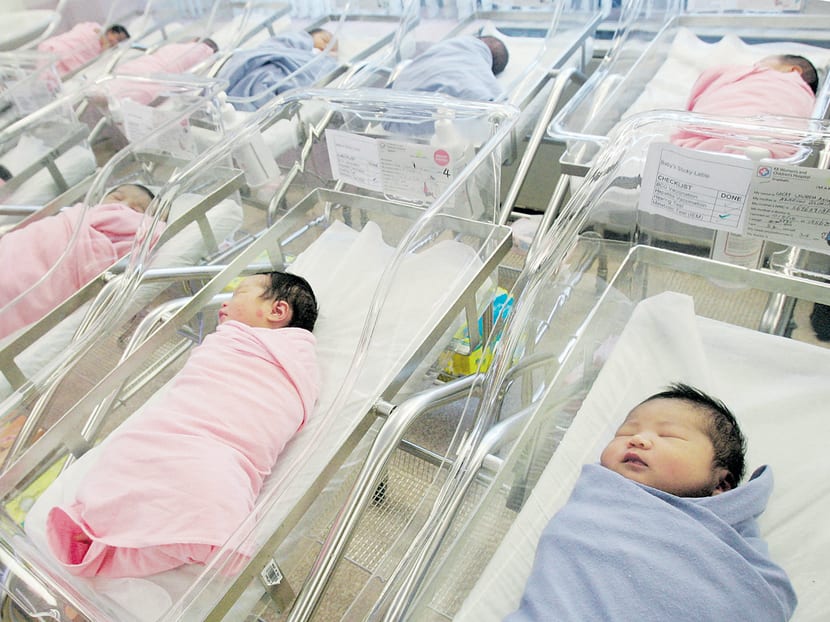
TODAY FILE PHOTO

SINGAPORE — DNA tests have confirmed that two babies given back to their parents are the correct ones, the KK Women’s and Children’s Hospital (KKH) said after an initial mix-up that occurred in Singapore’s largest maternity hospital.
In a statement yesterday, KKH laid out additional and tighter measures introduced after a review. It will also get parents to play a greater part in ensuring that such an incident will not happen again.
When contacted, the Ministry of Health (MOH) said that measures will be stepped up at other public hospitals as well.
The mix-up, which KKH said was its first such case, occurred on Nov 18 at the hospital and resulted in two sets of parents bringing home the wrong babies.
Although blood tests confirmed the error and the rightful babies were given back to the parents hours after discharge, they were upset and asked for another confirmation via DNA tests.
The results were issued by the Health Sciences Authority last Friday and the hospital has been in close contact with both families to inform them of the outcome, said KKH yesterday.
According to KKH, preliminary investigations confirmed that two factors led to the incidents: An identification tag — which presumably fell off — was wrongfully replaced, and there was a failure to verify tags at the time of discharge for both babies.
The statement said that “appropriate disciplinary actions” will follow a more thorough investigation that is underway to confirm these findings.
Ms Tan Soh Chin, Director of Nursing at KKH, said: “Following this unfortunate incident, we have strengthened and added to our processes and protocols and reinforced with all staff the need to be vigilant and strictly adhere to these processes and protocols for the care of our patients at all times.”
Parents will also be engaged more. Mothers will be required to read back and confirm particulars on the tags after birth and at time of discharge.
Either parent must also put on the first tag on their baby — tagged on at birth — and verify the second tag, which will be put on in the nursery.
Staff must also first check the mother’s identity against the tags.
The way that tags are being handled will also be tightened.
Two nurses will be assigned to verify tags in the ward and at the point of discharge, as well as every time the baby is being moved in and out of the cot for feeding and bathing.
If tags are to be replaced, mothers would have to be informed and two nurses will be assigned to verify the re-printed tag before it is put on the baby. The hospital is also revising the way the tags are fixed onto the babies to counter the risk of it falling off.
The enhanced measures to strengthen KKH’s newborn identification process would not require the deployment of additional nurses, said Ms Tan.
The hospital said it will also review all processes to assess and adopt any measures, including technology, that can further enhance and tighten the identification process.
In a statement yesterday, the MOH said it hopes the results will “bring relief and closure to both sets of parents”. “Since the unfortunate incident, the MOH has worked closely with KKH and other public hospitals to ensure that our systems and processes relating to the identification of newborns are tightened,” added a spokesman.
The ministry is awaiting full reports by KKH and relevant MOH divisions tasked to investigate this lapse, said the spokesman, who added that further appropriate remedial measures and disciplinary measures will be decided on after that.
Stay in the know. Anytime. Anywhere.

Subscribe to our newsletter for the top features, insights and must reads delivered straight to your inbox.
By clicking subscribe, I agree for my personal data to be used to send me TODAY newsletters, promotional offers and for research and analysis.






