
MP Murali Pillai suggests Parliament relook processes to cut wasted time, track MPs' attendance
SINGAPORE — At a time of greater contestation of ideas, parliamentary proceedings in Singapore remain “boring” and involve steps that “waste valuable time”, Mr Murali Pillai said.
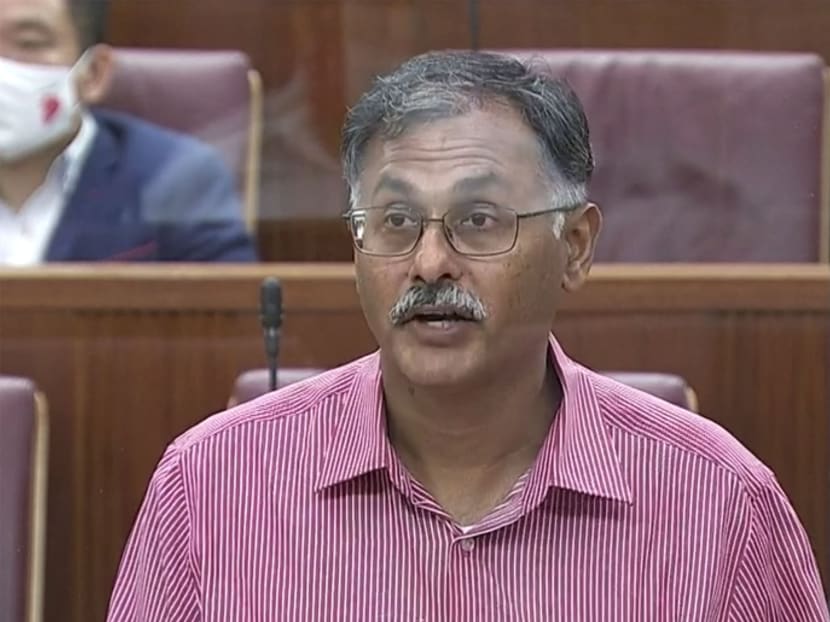
Member of Parliament (MP) Murali Pillai (pictured) asks Parliament to invest in a digital system for the public to more easily track the attendance of MPs and the number of times they have spoken in the House.



SINGAPORE — At a time of greater contestation of ideas, parliamentary proceedings in Singapore remain “boring” and involve steps that “waste valuable time”, Mr Murali Pillai said.
The Member of Parliament (MP) for Bukit Batok said this on Wednesday (Sept 2) as he proposed several improvements to parliamentary proceedings that will make it a place for “genuine” debate, such as by getting rid of the need to recite pre-written speeches.
Another suggestion he made was for Parliament to invest in an online system for the public to more easily track the attendance of MPs and the number of times they have spoken in the House.
“The truth is, most of the time, all MPs in this House agree (during debates)... Such agreement is boring and almost never makes the news,” he said on the third day of a parliamentary debate on the President’s Address.
While it is important for Parliament to come to agreement on issues, consensus requires a process of contestation, persuasion and resolution, not “sweeping hard truths under the carpet”, Mr Murali said.
Time in Parliament can be better spent considering the diversity of views of MPs and finding out where these consensus and disagreements lie, he said.
Among his suggestions were:
For the first reading of a Bill, ministers should spend the time briefing MPs on how the law will address issues at stake and how it would impact Singaporeans, rather than the “formulaic” process now of physically reading the Bill’s full title out loud before handing the papers over to the parliament clerk.
For the second reading of a Bill, MPs should submit their speeches, which will be made public for all to read. These speeches should be taken as read during debates in the House to free up time for clarifications and disagreements.
Parliament should invest in a digital system to simplify the publishing of MPs’ attendance and the times they have spoken. This is information that is already public, he said, but should be made more easily available for the public to hold MPs to account.
Parliament should keep a record of the outcome of MPs’ proposals that ministers have agreed to study.
Entrench a practice of expressly acknowledging MPs in the House if their proposals are accepted by the Government.
Government agencies should regularly update Parliament on the number of letters it receives from MPs petitioning on behalf of constituents and whether replies were made on time.
Many of his proposals, Mr Murali said, would also give a maturing and more demanding electorate greater access to information that will enable them to make informed political choices and decisions.
“In our country, there is a change towards a more contested, less conciliatory form of politics,” he said. “And this can be to our good. As MPs, we must get used to the rough and tumble of politics, become resilient, and engage in robust and searing debate.”
Related topics
Parliament Murali Pillai debate attendance speechStay in the know. Anytime. Anywhere.

Subscribe to our newsletter for the top features, insights and must reads delivered straight to your inbox.
By clicking subscribe, I agree for my personal data to be used to send me TODAY newsletters, promotional offers and for research and analysis.






