
New air traffic control system tracks more planes and farther
SINGAPORE — A next-generation air traffic control centre, with a new air traffic control system that gives controllers twice the range and the ability to track four times the number of planes as the previous system, was officially inaugurated yesterday.
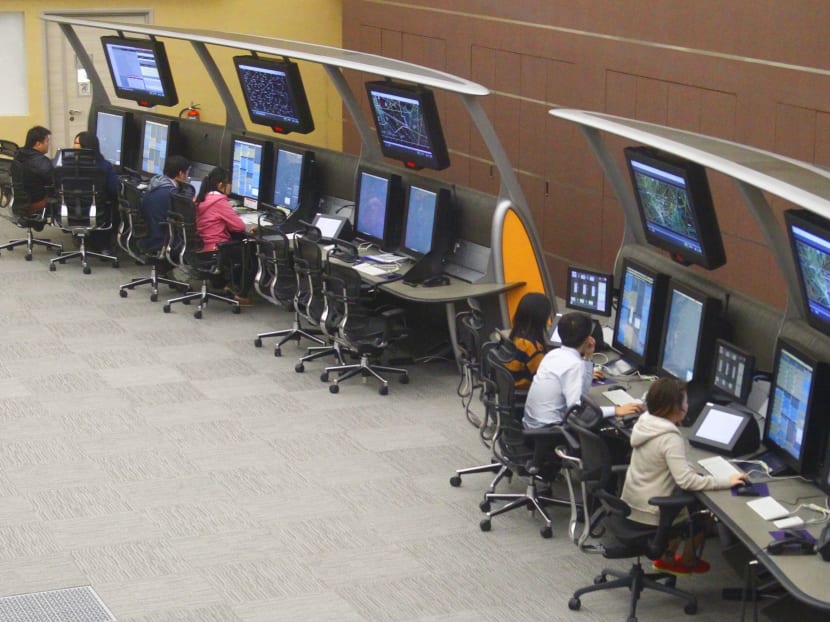
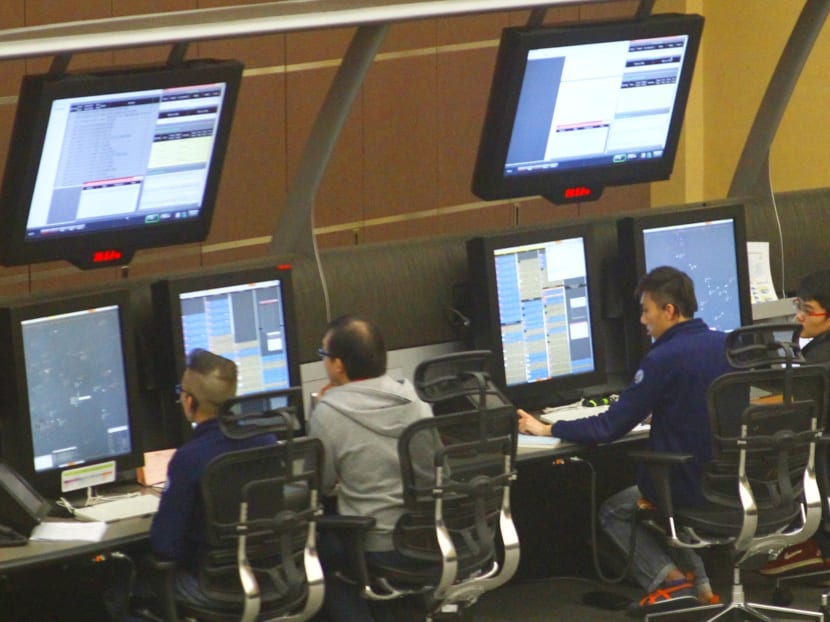
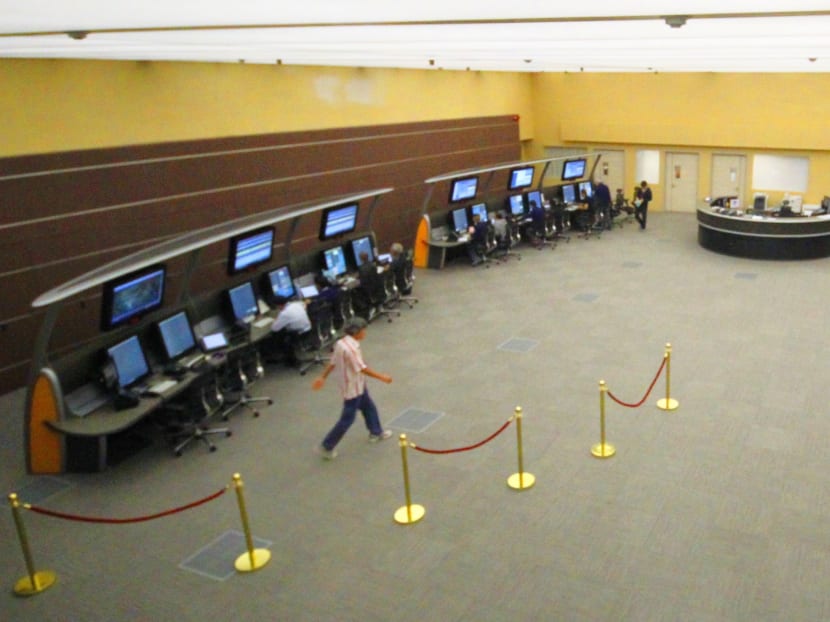
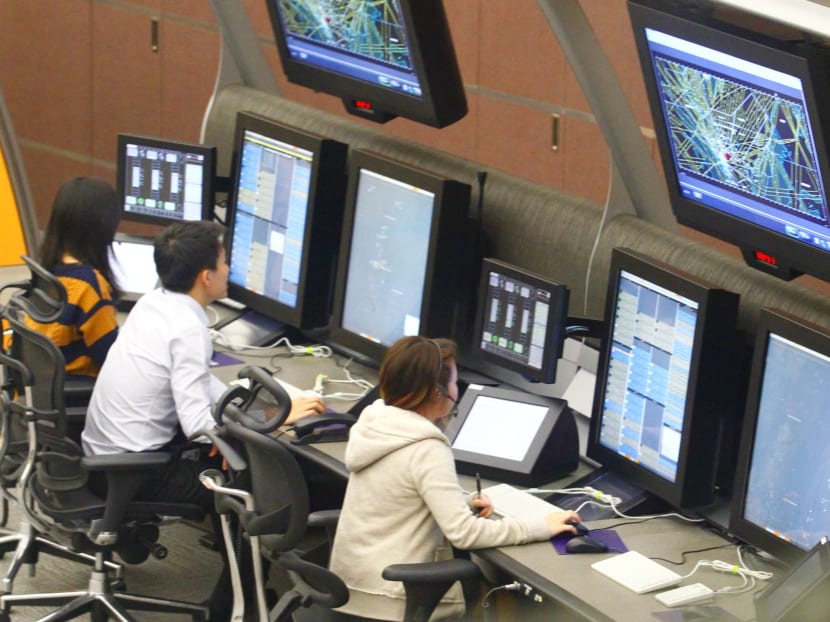
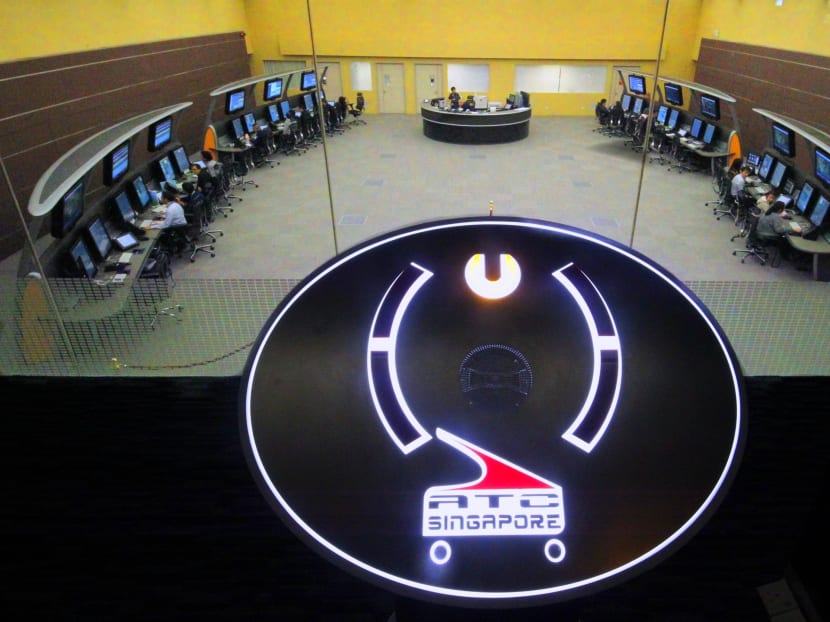
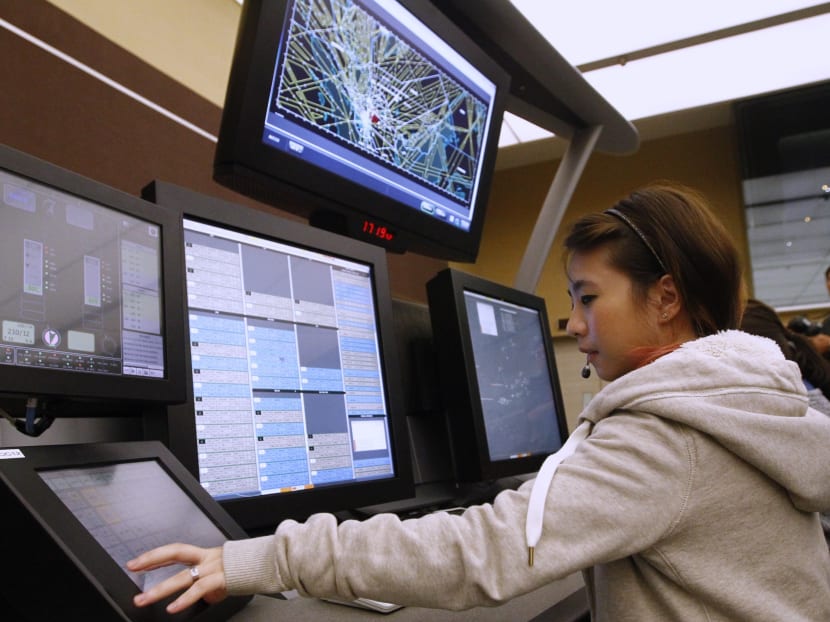
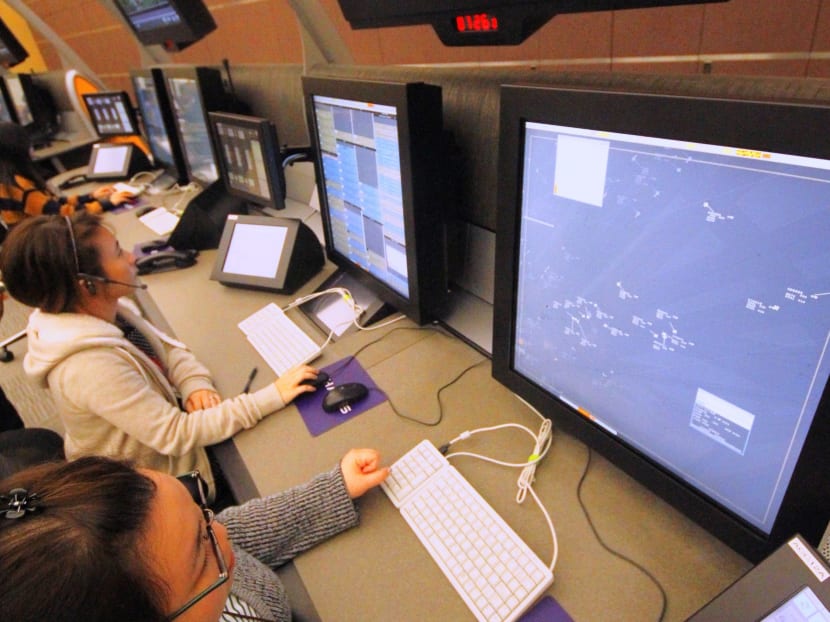
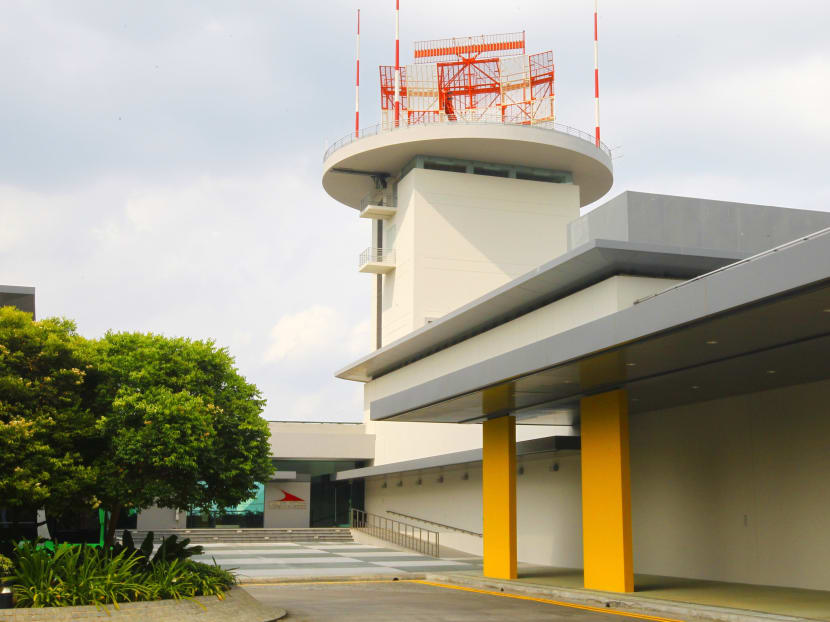
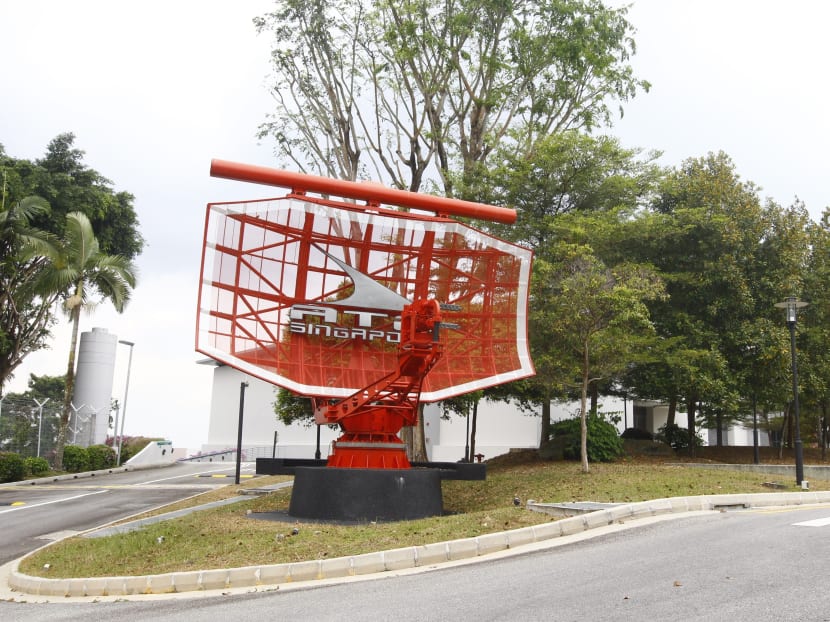
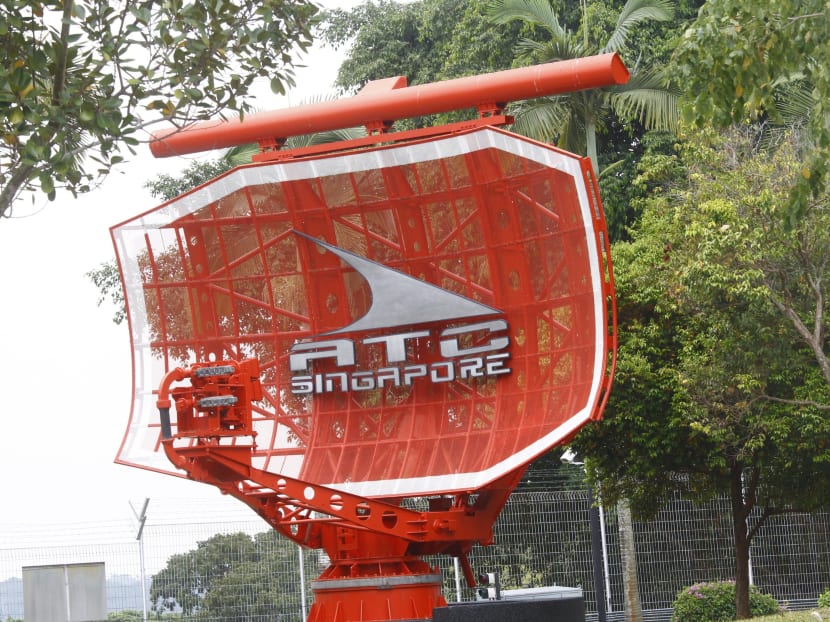

SINGAPORE — A next-generation air traffic control centre, with a new air traffic control system that gives controllers twice the range and the ability to track four times the number of planes as the previous system, was officially inaugurated yesterday.
The Singapore Air Traffic Control Centre’s Long Range Radar and Display System III, known as LORADS III, also features more advanced surveillance technologies that will allow more aircraft to fly within the same volume of airspace in “a more efficient and safer manner”, said Transport Minister Lui Tuck Yew at the Singapore Airshow Aviation Leadership Summit yesterday.
Commissioned at a cost of over S$300 million, the system has been in operation since Oct 16. The shift to the new system by the Civil Aviation Authority of Singapore (CAAS) comes as air traffic growth in the Asia-Pacific region is set to outpace that of other regions. Singapore’s air traffic is expected to grow at an annual rate of 4 to 5 per cent until the end of the decade, according to the authority.
In his speech, Mr Lui said the growth of low-cost carriers and the rapid rise of new air hubs will reshape the future of aviation, such that governments will have to “rethink” how to better meet the needs of air travellers.
He added that Changi Airport’s Terminal 4 — which will be ready in 2017 — will be able to meet the needs of low-cost carrier passengers, who are “fast becoming the predominant segment of travellers”.
“The new Terminal 4 will deliver the ‘Changi Experience’ to low-cost carrier travellers that Changi Airport is known for, rather than a ‘budget experience’. It will also be well-connected and integrated to the other terminals, in order to provide a seamless and comfortable connection for transfer passengers,” said Mr Lui. In addition to rethinking air travellers’ needs and adding capacity on the ground, he added, air navigation systems also had to stay ahead of growing air traffic.
But CAAS Director for Air Traffic Services Rosly Saad said the LORADS III system may not necessarily lead to time savings for passengers. “Just like for cars, there’s this sweet spot — you want a certain speed. For aircraft, it’s the same. There is a certain level that’s best in terms of economy,” he said.
Stay in the know. Anytime. Anywhere.

Subscribe to our newsletter for the top features, insights and must reads delivered straight to your inbox.
By clicking subscribe, I agree for my personal data to be used to send me TODAY newsletters, promotional offers and for research and analysis.