
Next in phone banking: Voice recognition
SINGAPORE — Phone banking just got a digital boost at two local banks.
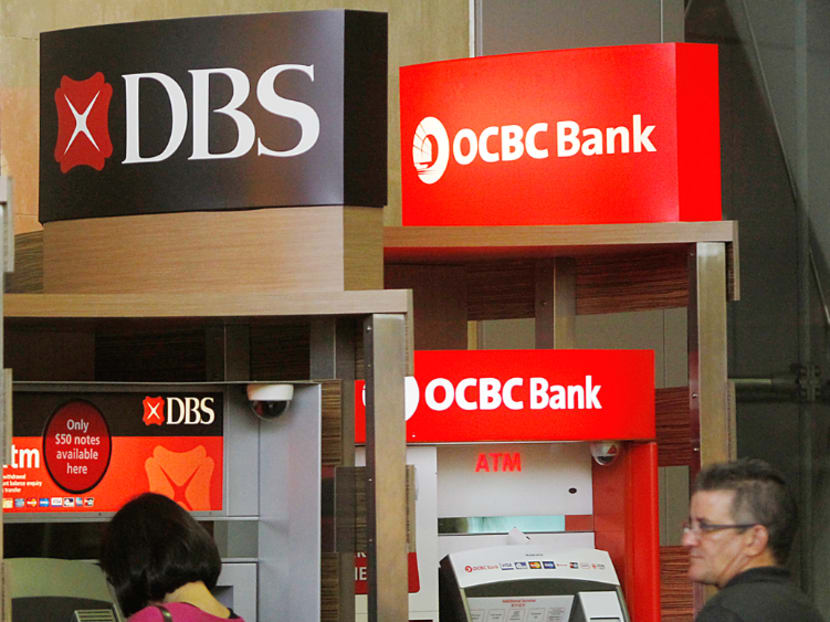
TODAY file photo



SINGAPORE — Phone banking just got a digital boost at two local banks.
OCBC and DBS both announced on Friday (May 20) that a voice biometrics authentication option will be launched in the fourth quarter of the year, allowing customers who call in to use their voice to authenticate their identities, so that they can check their accounts and card balances, latest account transactions and status of deposited cheques.
With the new authentication process, customers can verify their identity in 15 seconds – a reduction of between 20 and 40 seconds, according to DBS.
OCBC, which launched a trial for selected customers in September last year, will require first-time voice biometrics users to enrol for the service by repeating thrice a 10-syllable phrase prompted by the automated phone operator. The voiceprint is then created using the spoken phrase and will be stored in the system’s database.
Explaining how the system works, Mr Dominic Ying, Vice President of Group Corporate Communications at OCBC Bank, said the technology captures the intonations in the voice by its sound, pattern and rhythm. A voice print, he said, is as unique as a thumbprint and hence is secure.
The next time the user calls, the phone operator will give the user the option to use his vocal password.
In a demonstration by Mr Ying, the operator prompted him to say the 14-syllable phrase – “At OCBC, I can identify with my voice” – and the system responded: “Okay. Your vocal password is accepted.” At this point, the authentication process will be completed for about 80 per cent of customers, Mr Ying said. In instances where the system needs a further confirmation for the voice print, the system would prompt the caller to repeat after another phrase, which is randomly chosen from its list of phrases.
Voice prints are not a recording of a voice but a digital representation of a person’s vocal characteristics, so it cannot be disguised and is not affected by emotion or a blocked nose.
Mr Ying said: “If a voice recording is used, the system will know it is a recording as no one speaks the same way three times.” Furthermore, he added, the second layer of authentication makes the voice print extremely difficult to forge as phrases are randomly picked from a list.
In April, OCBC Bank launched a speech recognition feature in its hotline, allowing callers to describe their enquiry in a more precise manner by saying things like “Check credit card transactions”. According to the bank, 90 per cent of its customers had their spoken requests recognised by the system during calls.
Both DBS and OCBC receive more than five million calls each year on its hotline.
Stay in the know. Anytime. Anywhere.

Subscribe to our newsletter for the top features, insights and must reads delivered straight to your inbox.
By clicking subscribe, I agree for my personal data to be used to send me TODAY newsletters, promotional offers and for research and analysis.






