
NTU to send admission offer letters electronically
SINGAPORE – Students who are offered a place at Nanyang Technological University (NTU) this year will receive their admission offer letters electronically, with the move to go paperless — the first among universities here — expected to save the institution about S$50,000.
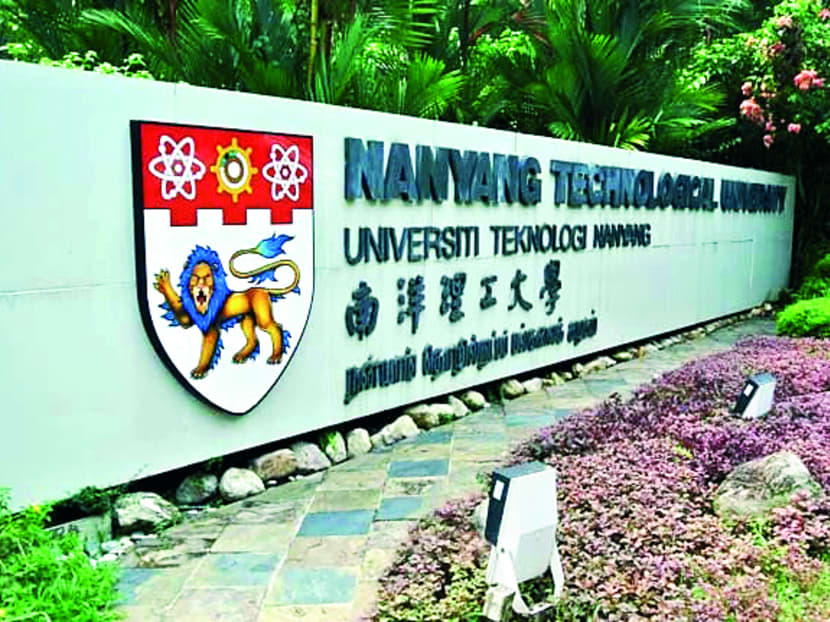
Photo: Channel NewsAsia

SINGAPORE – Students who are offered a place at Nanyang Technological University (NTU) this year will receive their admission offer letters electronically, with the move to go paperless — the first among universities here — expected to save the institution about S$50,000.
The savings will come from the production and posting of the letters, including the postage costs and the man-hours required to mail them, said NTU yesterday. Its announcement came a day after the release of the GCE A-Level examination results on Monday.
“With this new system at NTU, the entire process — from application to acceptance of the university’s offer of admission — becomes completely paperless,” said the varsity.
NTU first introduced paperless applications for admissions in 2003, eliminating the need for applicants to queue to collect and submit application forms. It also limited their submissions to office hours.
Beyond monetary savings, NTU also listed other advantages that come with the electronic offer letters. For one, Professor Kam Chan Hin, NTU Associate Provost (Undergraduate Education), noted that the new system would be environmentally friendly.
NTU estimated that it would save the varsity about 105,000 sheets of paper, including envelopes and stamps.
“But more importantly, (it) allows our applicants to be informed of their admission outcome in a timely way. It also gives them the flexibility to respond almost immediately to our offer of admission,” he said.
Applicants can also check their admission outcomes anytime, anywhere and on any mobile device, added Prof Kam, bringing convenience to applicants who may be travelling after their examinations, for example.
Professor Tan Ooi Kiang, NTU Director of Admissions and Financial Aid, also said the new system could minimise the risk of undelivered letters.
“Unlike paper mail, there’s no risk of any misdirected letters in the post or if the applicant changes his postal address,” he said.
Recipients of the offer letters can log onto NTU’s admissions web portal to view the document and indicate their acceptance online by June 2.
While the two other universities here offer electronic notifications to their applicants, they continue to mail out hard copies of their offer letters.
Applicants to the National University of Singapore (NUS) are informed of the admission outcome through text messages and an online notification via the application portal. They can also accept their offer of admission online, said NUS.
“This approach is augmented with an admission package that is sent to all successful applicants, which comprises essential information that includes faculty and course matters, housing, student activities in addition to the offer letter, which are useful for matriculating students,” said the spokesperson, who added that the university would monitor the situation to evaluate the need to make any change to the process.
Likewise, Singapore Management University (SMU) said its admissions office would be sending an e-mail notification, followed by the hard copy, this year. Successful applicants can also view the offer letters online via the SMU Applicant’s Self-Service portal.
The university added that sending hard copies of the offer letters would be maintained because recipients like to receive a physical letter, which they may require for scholarship and bursary applications, for instance.
NTU had conducted a pilot in January, when more than 400 digitally-certified electronic offer letters were sent to polytechnic and International Baccalaureate diploma holders.
Stay in the know. Anytime. Anywhere.

Subscribe to our newsletter for the top features, insights and must reads delivered straight to your inbox.
By clicking subscribe, I agree for my personal data to be used to send me TODAY newsletters, promotional offers and for research and analysis.






