
NUS law grad, students recognised for pro bono work
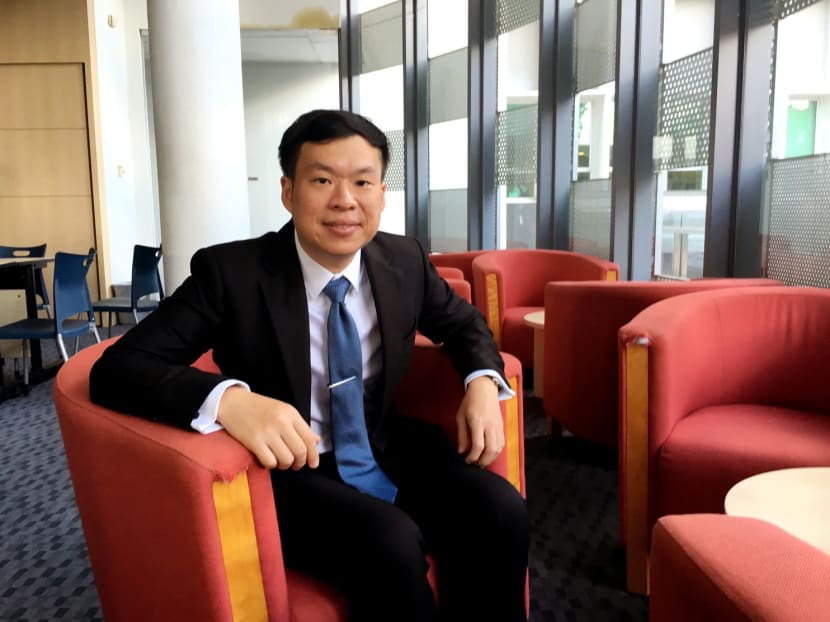
SINGAPORE — While helping out at a free legal clinic, Mr Ng Bin Hong came across a man who had been kicked out of his home by his family despite having supported them financially.



SINGAPORE — While helping out at a free legal clinic, Mr Ng Bin Hong came across a man who had been kicked out of his home by his family despite having supported them financially.
Recounting how the man, who had limited mental capacity, had his money and bank cards controlled by his stepmother and stepsiblings, Mr Ng said the case sparked his interest in helping such vulnerable adults.
The 28-year-old was one of those recognised at the inaugural NUS Law Pro Bono Awards Ceremony yesterday.
As a law student at the National University of Singapore, Mr Ng then created the NUS Adult Protection Research Team, and began conducting his own research into legal matters related to vulnerable adults.
This led him and his team to submit several proposals to the Ministry of Law when the Mental Capacity Act was being reviewed.
Mr Ng said one of his team’s proposals is the professional deputyship scheme, where the court will appoint deputies to handle the affairs of mentally incapacitated people who cannot depend on their family members. The proposal has been taken into account for amendments to the Act this year.
For his pro bono work at the university and beyond graduation, Mr Ng was presented with the Pro Bono Champion Award at the ceremony.
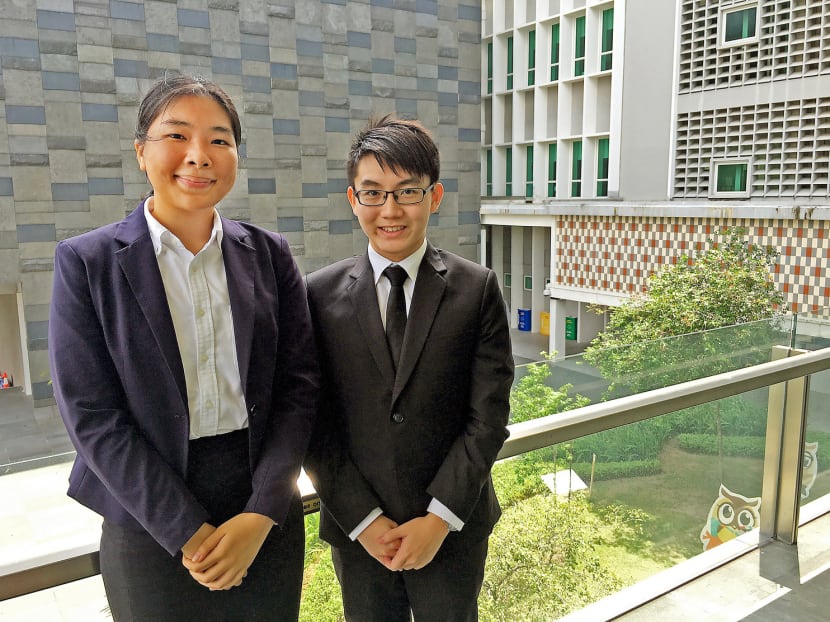
Six other students were also awarded the Pro Bono Leadership Award for sustained pro bono work at the university level.
Currently an associate with law firm Lee & Lee, Mr Ng said such work has to “come from the heart”.
“I see it as opportunities to benefit people and the society at large,” he added.
For NUS second-year law student Chiang Hui Xin, such work allows students to “learn more about the law in practice beyond the theoretical syllabus in law school”.
Ms Chiang heads the Criminal Justice Club, which received a new grant yesterday, the RHTLaw Taylor Wessing Subhas Anandan Pro Bono Award, which is named after the late prominent criminal attorney.
Along with the NUS Law Class of 1992 Pro Bono Award, these grants will provide financial support to student pro bono projects.
Senior Minister of State (Law and Finance) Indranee Rajah, who presented the awards, said in her speech that law students are “in a unique position of knowing what the law is ... ”.
“As you give of your time and skills to help disadvantaged individuals resolve their legal issues, I hope that the law will come alive for you,” she added.
CORRECTION: An earlier version of this report incorrectly named the grant as the RHTLaw Taylor Wessing Subhas Anandan Award. It should have been the RHTLaw Taylor Wessing Subhas Anandan Pro Bono Award.
Stay in the know. Anytime. Anywhere.

Subscribe to our newsletter for the top features, insights and must reads delivered straight to your inbox.
By clicking subscribe, I agree for my personal data to be used to send me TODAY newsletters, promotional offers and for research and analysis.






