
The operating theatre: An inside look
SINGAPORE — The Operating Theatre Service at Tan Tock Seng Hospital (TTSH) is Singapore’s busiest trauma centre, according to the Ministry of Health’s (MOH) National Trauma Registry.
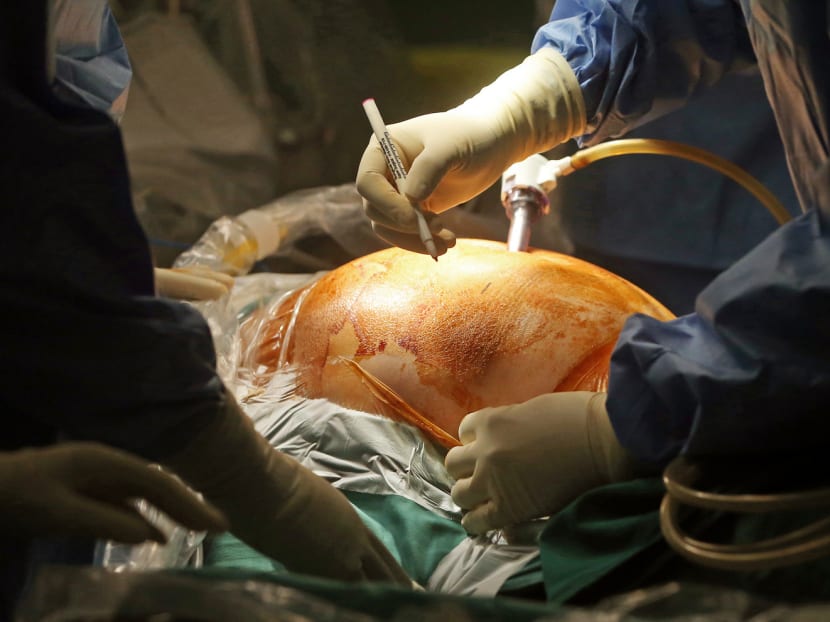

SINGAPORE — The Operating Theatre Service at Tan Tock Seng Hospital (TTSH) is Singapore’s busiest trauma centre, according to the Ministry of Health’s (MOH) National Trauma Registry.
It sees an average of 100 trauma cases such as injuries sustained from traffic accidents, falls from heights as well as sports-related injuries pass through its doors daily, of which five require emergency surgery. The hospital sees an average of 100 surgical cases a day.
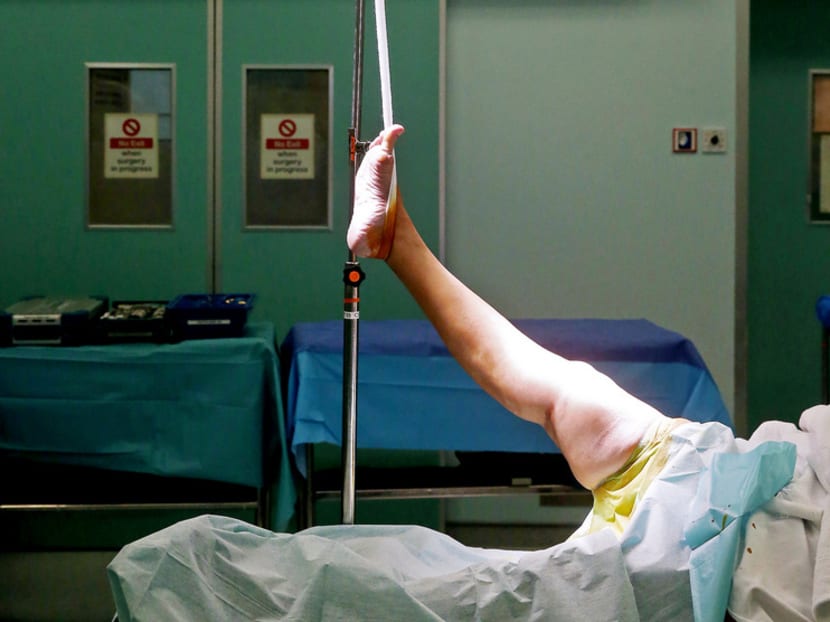
The hospital performs a variety of surgeries, including general surgery, orthopaedic surgery, ophthalmologic surgery, urological surgery, ENT surgery and neurosurgery.
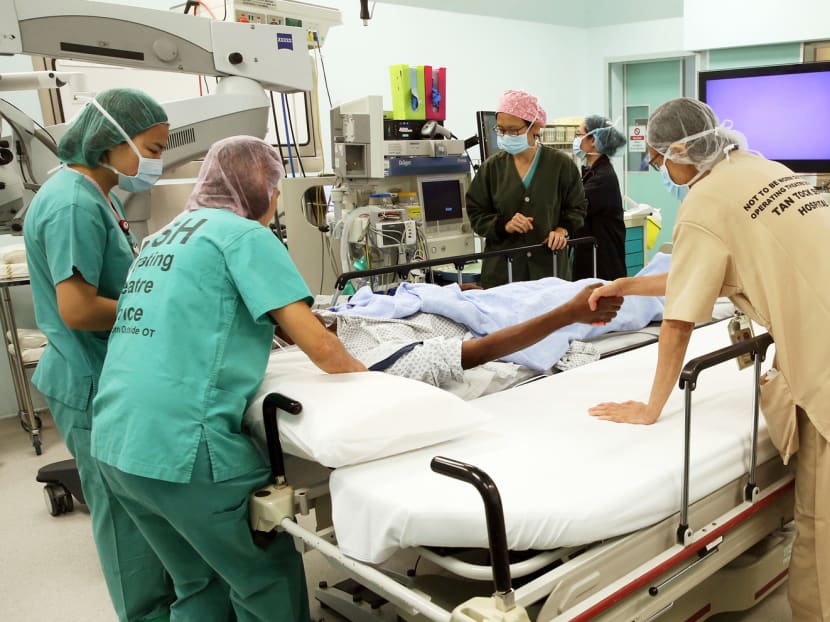
Of TTSH’s 24 operating theatres in its OT complex, three are dedicated to emergency surgeries on a 24/7 basis, while the remaining 23 are used for non-emergency and emergency cases should the need arise.
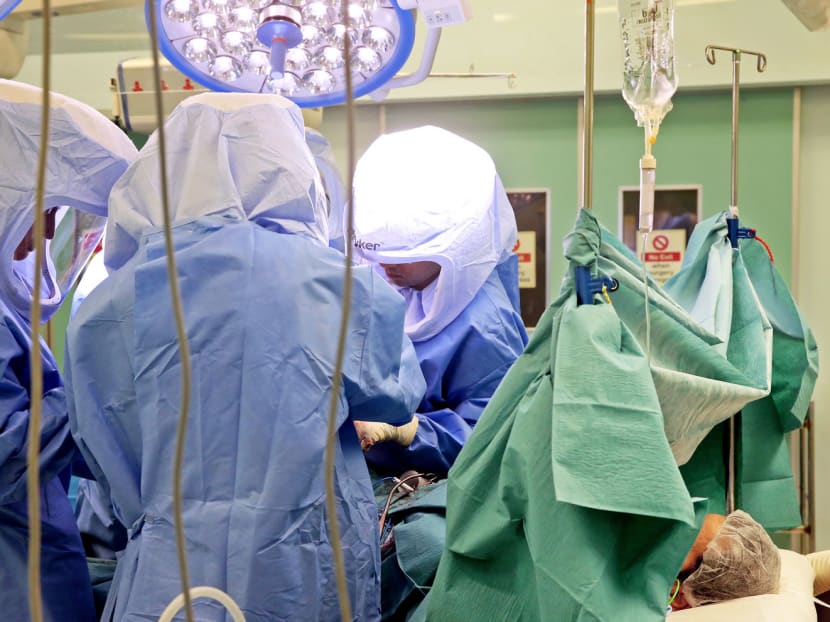
A surgical team typically comprises a surgeon, a surgeon’s assistant, an anaesthesiologist who provides anaesthesia, a scrub nurse, a circulating nurse and an Operating Theatre (OT) assistant technician. In a major, more complex surgery, however, an additional surgeon’s assistant and anaesthesiologist’s assistant are usually present.
Scrub nurses and circulating nurses ensure all required equipment and disposable items are available in the OT prior to every surgery.
Besides those directly involved in the OT, a crew of support staff, which includes the housekeeping team and store managers, work tirelessly behind the scene to ensure that the operation goes smoothly.
The duration of each surgery varies according to the type of surgical procedure, the technical requirements, and the complexity of the case. A spinal surgery, for example, lasts at least four to five hours, as the patient has to be correctly positioned, and utmost care has to be taken in the course of the surgery to avoid damaging the nerves, among other considerations.
Surgeries can be further complicated by the patient’s age and medical condition, such as diabetes, high blood pressure, cardiac and respiratory problems. Thus, it is important that the patient is properly assessed and prepared before undergoing surgery.
Some complex surgeries that are technically challenging can go on for well beyond 12 hours. These will involve two surgical teams, where one will be standing by to take over from the other midway through the procedure.
“There is no such thing as an easy surgery,” said 62-year-old Lee Sow Fong, a senior operations manager in TTSH’s Operating Theatre Service.
“Even a simple cut on the body to drain the abscess is a technique, and the person doing it has to be trained.”
Stay in the know. Anytime. Anywhere.

Subscribe to our newsletter for the top features, insights and must reads delivered straight to your inbox.
By clicking subscribe, I agree for my personal data to be used to send me TODAY newsletters, promotional offers and for research and analysis.






