
Pokemon No: Japanese Cemetery Park in Hougang appeals to visitors not to hunt for Pokemon on site
SINGAPORE — The Japanese Association of Singapore has reportedly put up a sign discouraging visitors from playing the smartphone game Pokemon Go at the Japanese Cemetery Park in Hougang.
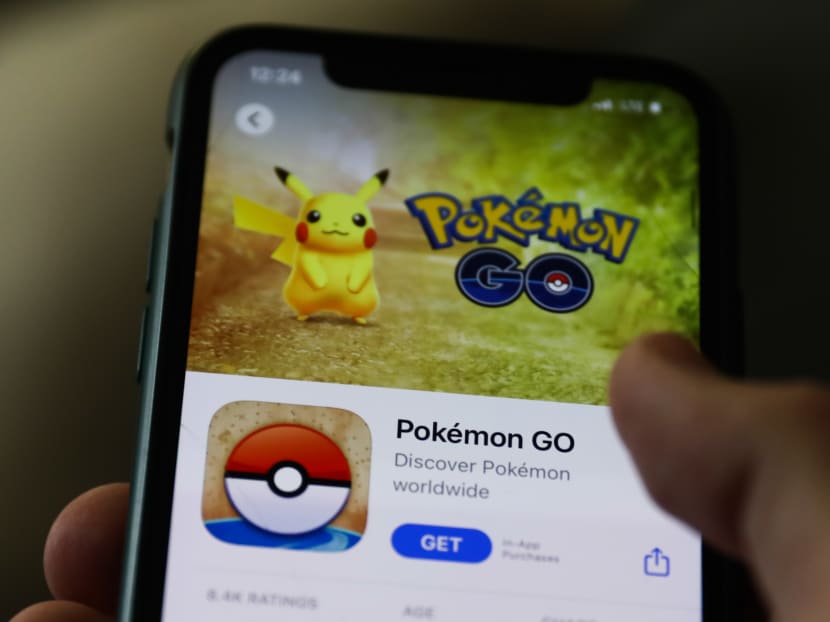



SINGAPORE — The Japanese Association of Singapore has reportedly put up a sign discouraging visitors from playing the smartphone game Pokemon Go at the Japanese Cemetery Park in Hougang.
“The Japanese Cemetery Park is a site for those who rest in peace,” a sign written in English and Japanese reads. “Please respect them and do not enter the ground for Pokemon Go.”
A picture of the sign barring entry to players of the augmented reality game was posted on Tuesday (Jan 25) on Instagram account @publicnoticesg, known for documenting quirky signs put up in public spaces around Singapore.
It is unclear when the sign was put up.
The 30,000 sqm cemetery along Chuan Hoe Avenue, a quiet residential neighbourhood, holds nearly 1,000 graves of Japanese civilians in Singapore and soldiers, mostly from the early 20th century, the VisitSingapore website by the Singapore Tourism Board states.
It was built in 1891 by three Japanese brothel-keepers as a burial ground for the karayuki-san, or Japanese women brought here for prostitution, many of whom died poor and destitute.
Over the years, other Japanese civilians were buried there, mostly during the pre-war years. It also holds the ashes of Japanese soldiers, marines and airmen killed during World War II, as well as the remains of Japanese war criminals who were executed at Changi Prison.
The cemetery was turned into a memorial park in 1987 and is maintained by the Japanese Association of Singapore.
Although Pokemon Go was launched to much fanfare nearly six years ago, the craze appears to live on.
It ranked as the sixth highest-earning mobile game worldwide, with a revenue of US$1.2 billion (S$1.62 billion) in 2021, market intelligence firm Sensor Tower said.
Players in the game are encouraged to explore the real world to catch animated monsters from the popular Japanese television series Pokemon, and the mobile application uses satellite locations and the phone’s camera to overlay these creatures onto real-world settings.
When it launched, "Pokemania" gripped cities around the world as players — spurred on by the game's slogan, "Gotta catch 'em all" — became obsessed with capturing as many characters as possible.
For a time in Singapore, it became a fairly common sight to see large crowds of players — young and old — congregating at hot spots trying to catch rare Pokemon.
The authorities around the world issued warnings after players, glued to their phones, fell off cliffs and walked into traffic.
The game’s developer also removed Pokemon Go characters from the atomic bomb memorial park in the Japanese city of Hiroshima, the United States Holocaust Memorial Museum and at the former concentration camp Auschwitz in Poland after complaints that it was insensitive.
In November 2020, in a bid to boost support for domestic tourism during the Covid-19 pandemic, the Singapore Tourism Board announced a tie-up with the game’s developer to introduce up to 300 new locations here where players could meet and capture Pokemon or engage in virtual raids.
Related topics
Pokemon Go Japanese Association of Singapore Japanese Cemetery Park mobile gameStay in the know. Anytime. Anywhere.

Subscribe to our newsletter for the top features, insights and must reads delivered straight to your inbox.
By clicking subscribe, I agree for my personal data to be used to send me TODAY newsletters, promotional offers and for research and analysis.






