
Ralph Lauren loses trademark fight with British polo club
SINGAPORE — Fashion brand Ralph Lauren has failed in its bid to invalidate an English polo club’s use of a logo depicting a horse-mounted polo player raising a mallet, after the Intellectual Property Office of Singapore (IPOS) threw out its arguments on all grounds on Friday (Dec 22).
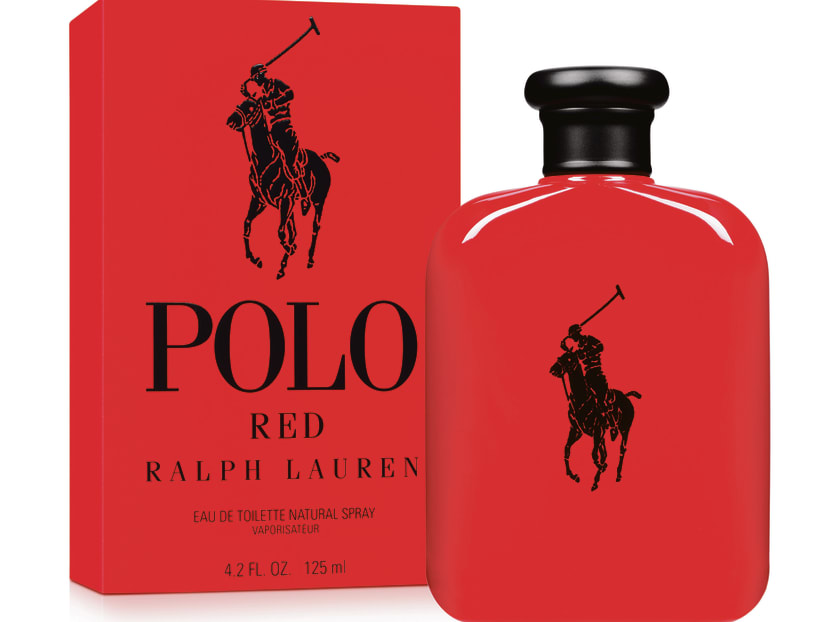
Perfume bearing the Ralph Lauren logo. Fashion brand Ralph Lauren has failed in its bid to invalidate an English polo club’s use of a logo depicting a horse-mounted polo player raising a mallet, after the Intellectual Property Office of Singapore (IPOS) threw out its arguments on all grounds on Friday (Dec 22). Mediacorp file photo

SINGAPORE — Fashion brand Ralph Lauren has failed in its bid to invalidate an English polo club’s use of a logo depicting a horse-mounted polo player raising a mallet, after the Intellectual Property Office of Singapore (IPOS) threw out its arguments on all grounds on Friday (Dec 22).
In its lawsuit against the Royal County of Berkshire Polo Club, Ralph Lauren argued that the polo player element is the most distinctive component of the club’s logo, which would confuse consumers with its own trademark, for which several variants include the word “Polo” and a horse-mounted, mallet-swinging, polo player.
The polo player element in both marks could also convey the misimpression that both marks originate from the same source or are somewhat related, it argued.
This is not the first time that Ralph Lauren, an American clothing company founded in 1967, has tried to stop a competitor from using its logo. At least six similar cases were heard before the IPOS and the courts here over the last 12 years, the most recent being the High Court’s dismissal of its appeal in a long-running battle with the United States Polo Association.
In this case, the Royal County of Berkshire Polo Club, founded in 1985, had also ventured into consumer goods such as apparel, bags, footwear, and other accessories, apart from offering polo sport and polo club activities.
Ralph Lauren also argued that the fact that it had registered at least 51 marks in Singapore comprising the word “Polo” and/or a polo player was evidence that these elements were “truly essential features” and “indispensable components” of its family of marks.
Dismissing these arguments, Principal Assistant Registrar of Trade Marks Tan Mei Lin found no evidence to suggest that customers had come to “associate marks containing such features with (Ralph Lauren) and no other”.
Regardless of the number of registrations, it is the use of each mark in trade that matters and is capable of having an effect on consumer perception, she said in a 42-page written judgment released on Friday.
Ruling that marks from the two entities were “conceptually more dissimilar than similar”, Ms Tan found that the textual elements in the club’s mark — “Royal County of Berkshire” in stylised script and “Polo Club” in capitals — were essential parts of the logo that consumers would not disregard.
Given that Ralph Lauren’s goods are “fashionable items and highly personal in nature”, they are unlikely to be purchased in a hurry, she added.
“I think that at least a medium level of attention would be paid to ensure that the goods meet the user’s needs… They may also entail the purchaser trying the item for suitability, inspecting the goods… In this regard, this factor again shows that consumers would, more likely than not, notice the differences between the marks,” she said.
Even without perfect recollection, the low degree of similarity between the marks and attention paid by each consumer in purchasing such goods ensure “no likelihood of confusion arising”, Ms Tan ruled.
She was also not persuaded that the polo club had misrepresented Ralph Lauren, finding that evidence fell short of showing that a “substantial number” of members of the public would assume that there is any connection between the two marks.
Stay in the know. Anytime. Anywhere.

Subscribe to our newsletter for the top features, insights and must reads delivered straight to your inbox.
By clicking subscribe, I agree for my personal data to be used to send me TODAY newsletters, promotional offers and for research and analysis.






