
Review of ITE, poly system to enhance prospects of graduates
SINGAPORE — Two important shifts must be made in the ITE and polytechnic system to help prepare Singapore’s young to seize new opportunities, Prime Minister Lee Hsien Loong said yesterday.



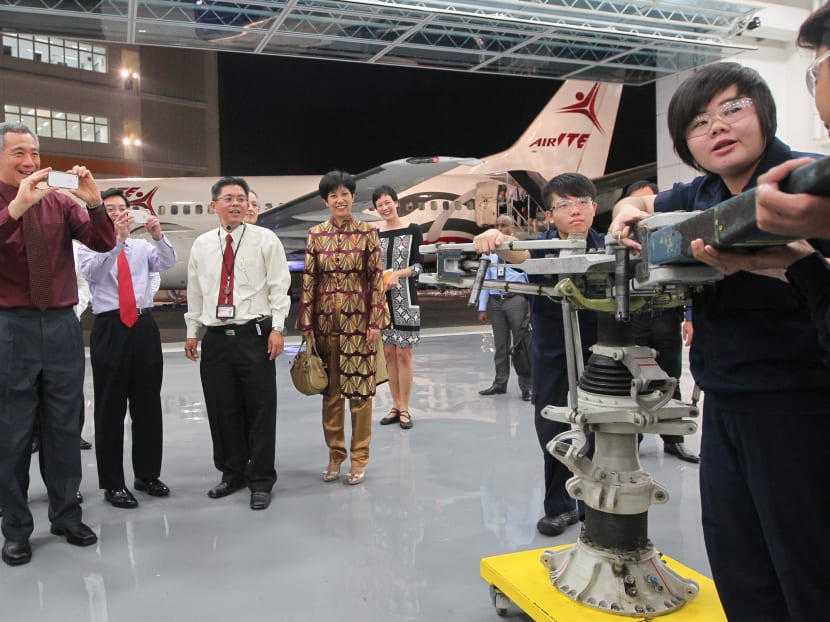
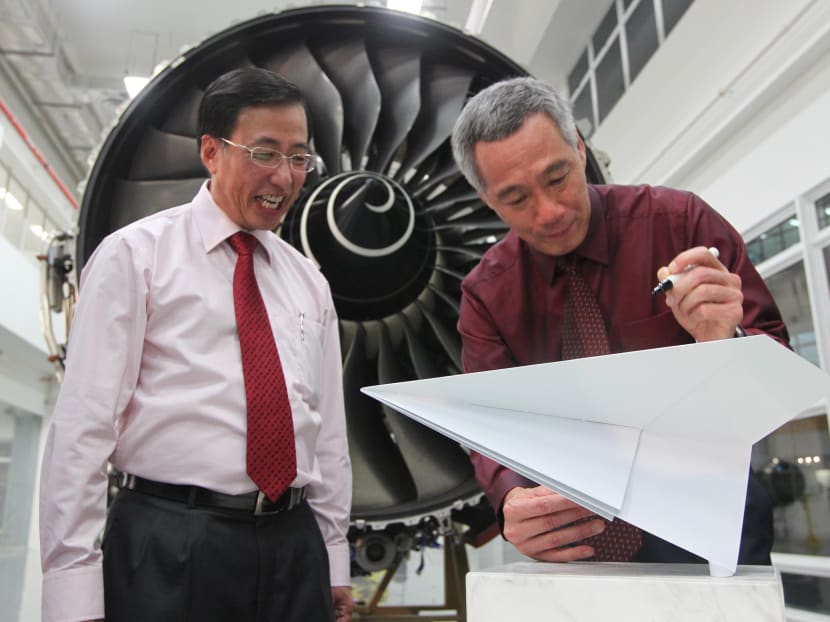

SINGAPORE — Two important shifts must be made in the ITE and polytechnic system to help prepare Singapore’s young to seize new opportunities, Prime Minister Lee Hsien Loong said yesterday.
The first would be to focus more on applied learning, helping students acquire deep skills and integrate theory with practice. The second is to promote lifelong learning, so they can embark on a virtuous circle of working, gaining experience and learning new skills, he added.
With this in mind, a committee chaired by Senior Minister of State (Education) Indranee Rajah will study ways to enhance career and academic progression prospects of polytechnic and ITE graduates.
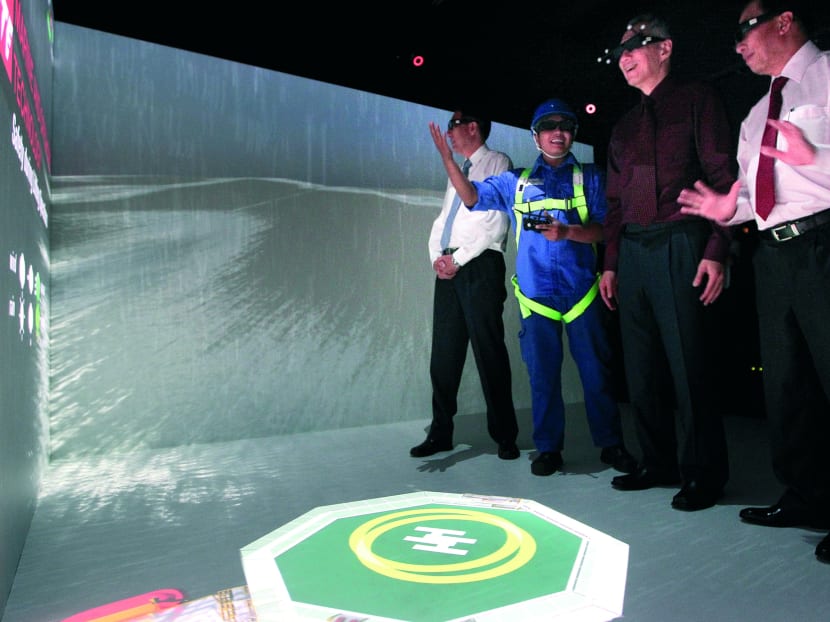
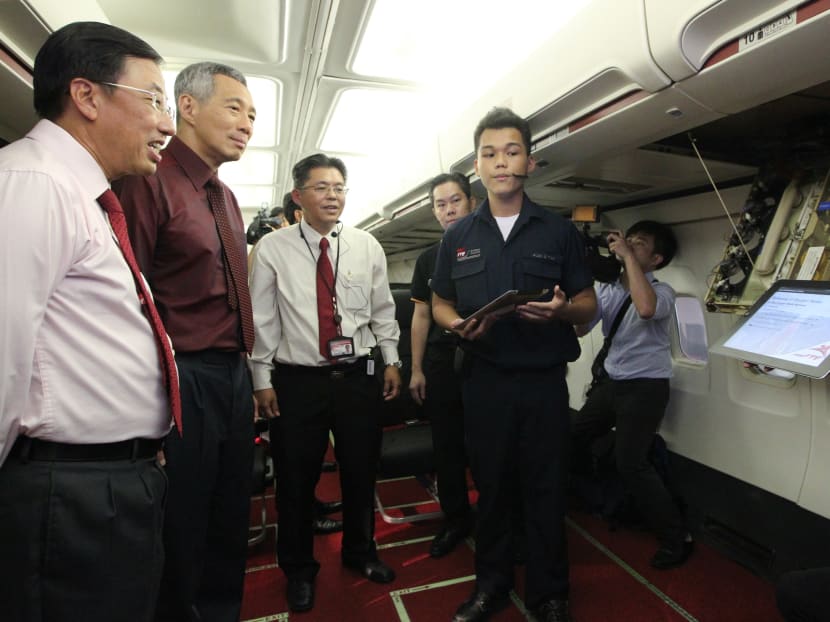
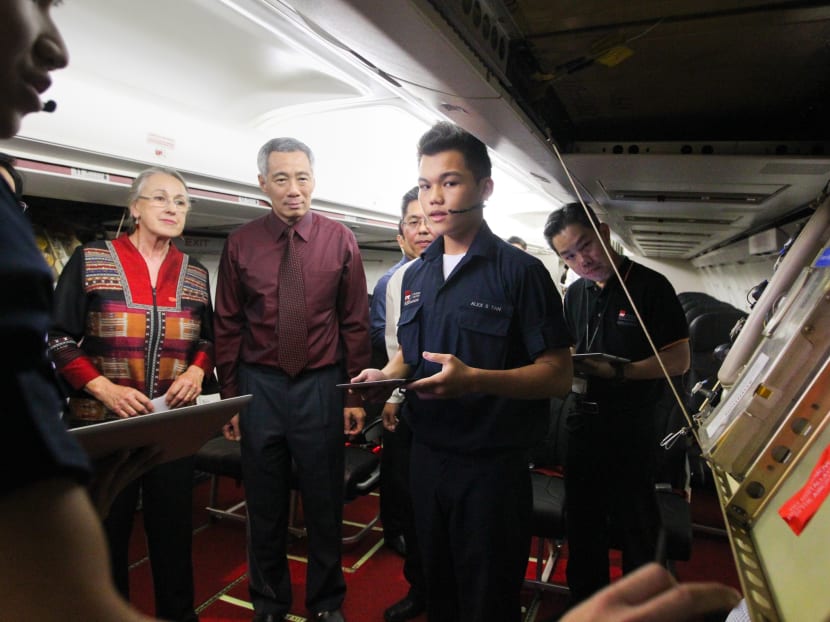
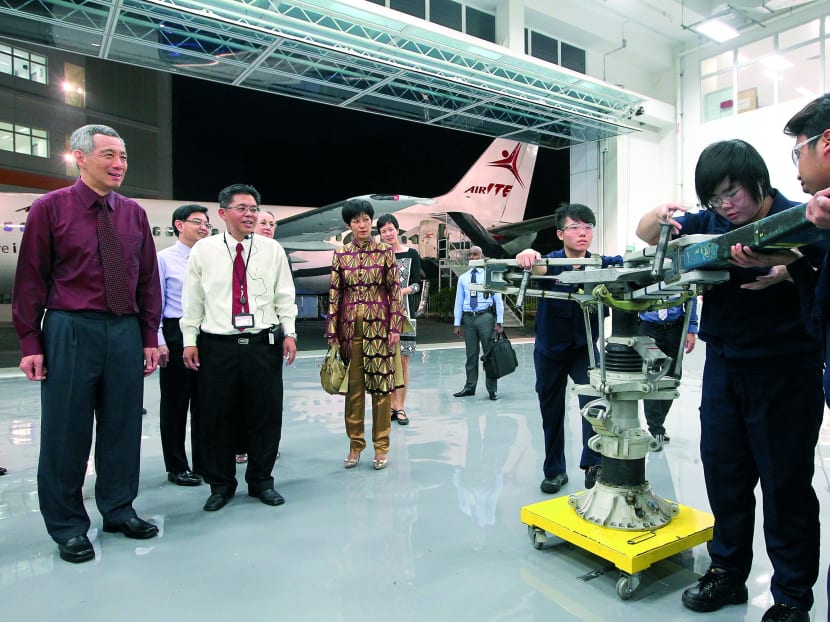
Speaking at the official opening of ITE Headquarters and ITE College Central yesterday, Mr Lee said the review will “better match students’ strengths and interests to applied pathways and opportunities” and “strengthen the roles of the polys and ITEs in research, innovation and enterprise”.
Mr Lee said the committee, which will involve “industry leaders, education institution leaders, and government agencies”, is expected to present its recommendations next year.
He noted that 90 per cent of ITE and polytechnic students secure jobs within six months of graduation, and their starting salaries have been rising. Singapore also has one of the lowest university graduate unemployment rates in the world.
“It’s a remarkable achievement, considering the situation in so many other countries,” Mr Lee said, noting that “youth unemployment is a major social problem” in countries such as Italy, Greece and Spain.
“Even in our own region, with vibrant economies, it’s not so easy. China has a big problem with graduate unemployment. In Hong Kong, youth unemployment is much higher than general unemployment,” he added.
While the Government is providing more opportunities for students “to pursue subjects and skills that improve their prospects for employment, and for their lives”, by having “more university places, more diverse paths (and) more institutions,” Mr Lee urged students “not to pursue the paper chase just for paper qualifications”.
A degree which is not relevant to industry will not improve employment prospects, and the qualification may not be worth the cost of attaining it, he added. He cited the case of South Korea, where 70 per cent of students earn degrees but the unemployment rate of university graduates is higher than that of high school graduates.
Singapore’s ITE and polytechnic system is successful, Mr Lee said, because the Republic has focused on acquiring skills and on applied learning. With the economy becoming more sophisticated and diversified, Mr Lee said the challenge is to continue creating opportunities for Singapore’s young, in a “very different” future.
To that end, Mr Lee noted the Government has been focusing more on applied learning across the entire education system, from secondary schools to universities, “to integrate classroom learning with real-life application on-the-job, and to encourage students to creatively apply concepts to practical problems.”
And lifelong learning, he added, “is the best way to progressively upgrade ourselves — to work, to gain experience, to learn new skills, acquire further qualifications, and then repeat the cycle throughout our working careers”.
Ms Indranee said the committee aims to incorporate students’ practical learning with companies and industries. “Right now, it’s done in the form of attachments, but the attachments are kind of like grafted onto the learning that you do at school,” she said.
The committee will study overseas “models that have done applied learning successfully”, she added. “It is not possible to completely superimpose other systems, but we should see the best learnings that they have and then adopt and adapt what we can for Singapore.”
Stay in the know. Anytime. Anywhere.

Subscribe to our newsletter for the top features, insights and must reads delivered straight to your inbox.
By clicking subscribe, I agree for my personal data to be used to send me TODAY newsletters, promotional offers and for research and analysis.






