
Schools collaborate on non-academic programmes and community activities
SINGAPORE — In line with calls to prevent top schools from becoming “closed circles”, academic powerhouses here have started fresh efforts to ensure their pupils are involved in non-academic programmes, including activities that mix them with pupils from a variety of backgrounds.

SINGAPORE — In line with calls to prevent top schools from becoming “closed circles”, academic powerhouses here have started fresh efforts to ensure their pupils are involved in non-academic programmes, including activities that mix them with pupils from a variety of backgrounds.
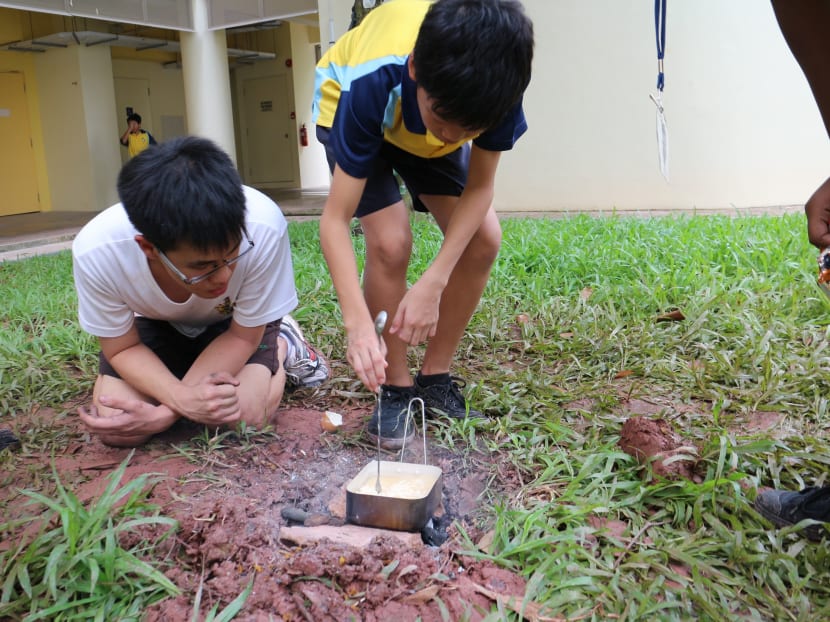
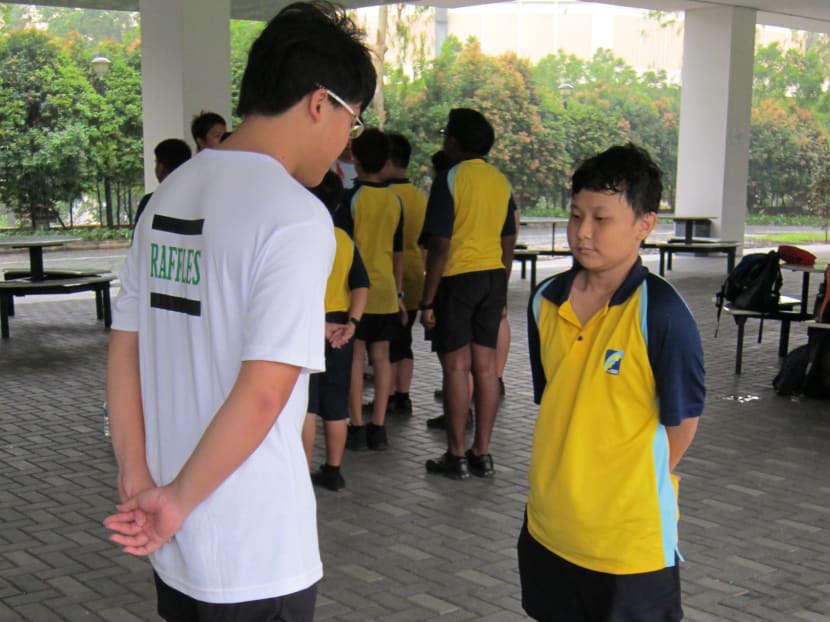
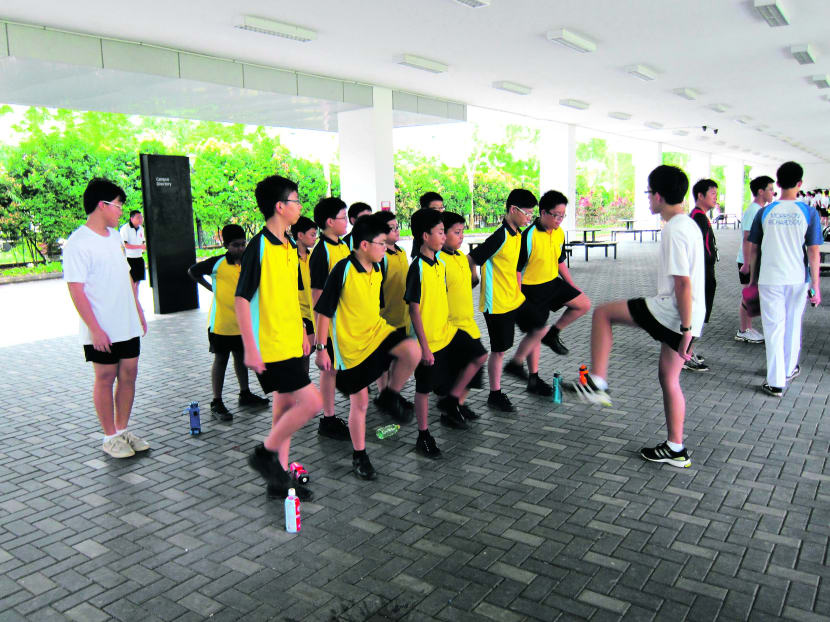
Raffles Institution (RI), for instance, is partnering Crest Secondary School, helping the newly established Specialised Normal (Technical) school to set up a Scouts unit.
Hwa Chong Institution (HCI) students have also started going on overseas community involvement trips with peers from Institute of Technical Education (ITE) College West.
These collaborations are not planned to be one-off events; the schools intend to continue their partnerships for further batches of pupils.
In July, Emeritus Senior Minister Goh Chok Tong had called on schools, public institutions and society at large to guard against elitism.
Speaking at the 190th anniversary of RI, he said he was worried that some of Singapore’s brightest young minds might think that they are naturally superior and are entitled to their success.
Speaking to TODAY, HCI Principal Hon Chiew Weng noted that schools have to adapt to the changing education landscape and society.
“We all know very well that the future environment will be complex and uncertain. The usual exam-oriented curriculum will not be sufficient to prepare students to meet the challenges in the future,” he said.
Thus, HCI has embarked on “many changes” in its curriculum to develop students’ passion in creative arts and entrepreneurship, among other aspects, he added.
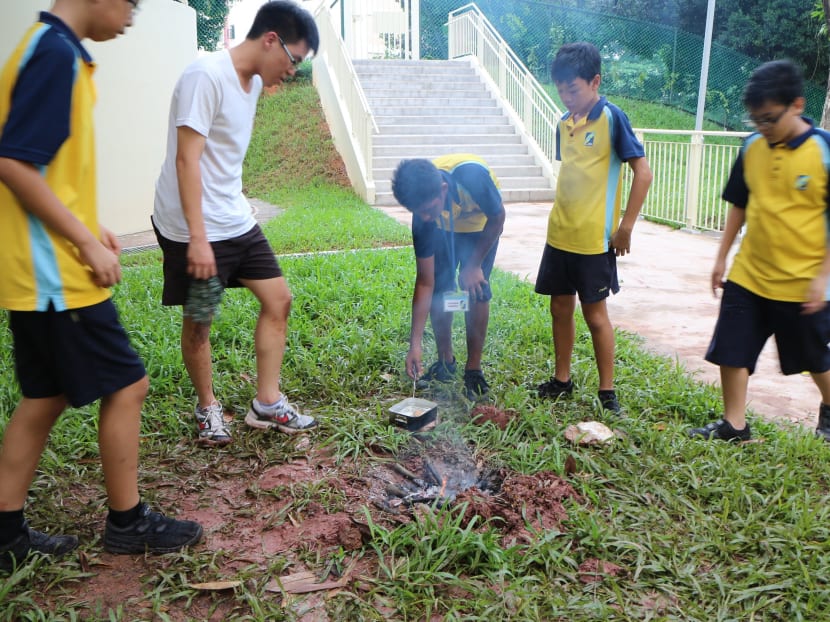
At RI, students are involved in a slew of community activities, including annual debating workshops for budding primary school debaters. Earlier this year, seven Scout leaders travelled to Crest Secondary every week to assist in conducting basic drills and physical training.
In March, both groups held their first camp, including a four-hour evening hike to West Coast Park.
As Crest students turned in for the night in their tents, the final-year RI students studied for their mid-term examinations at a nearby fast-food restaurant.
The experience has spurred some of the Crest students. “I asked them how they made it into RI and they said they worked really hard ... So, I also learned about resilience and not to give up in whatever you do,” said Crest student Subas Raj, 13.
RI scout leader Darren Foo, 18, also recalled befriending pupils who came from broken families and learning about their struggles. He shared stories from his history text with some of the Crest students. This convinced him that “everyone can learn as long as they are engaged”.
The plan now is for the RI scouts, who are from the oldest troop here, to continue partnering Crest Secondary next year, when the latter admits its second batch of students.
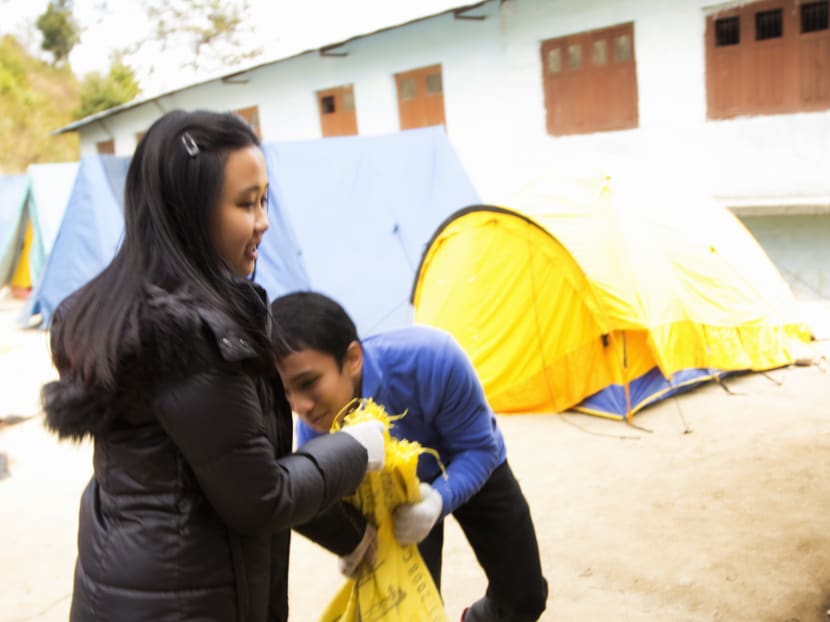
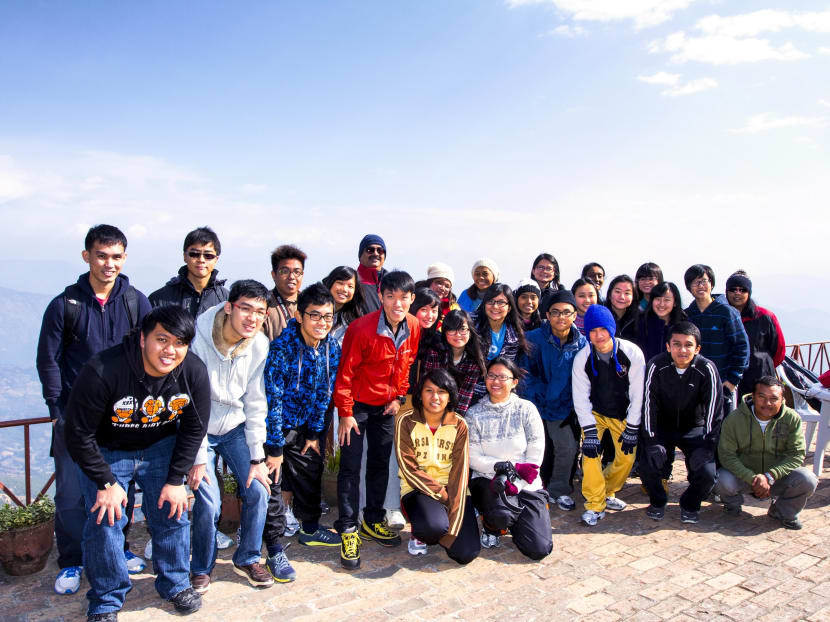
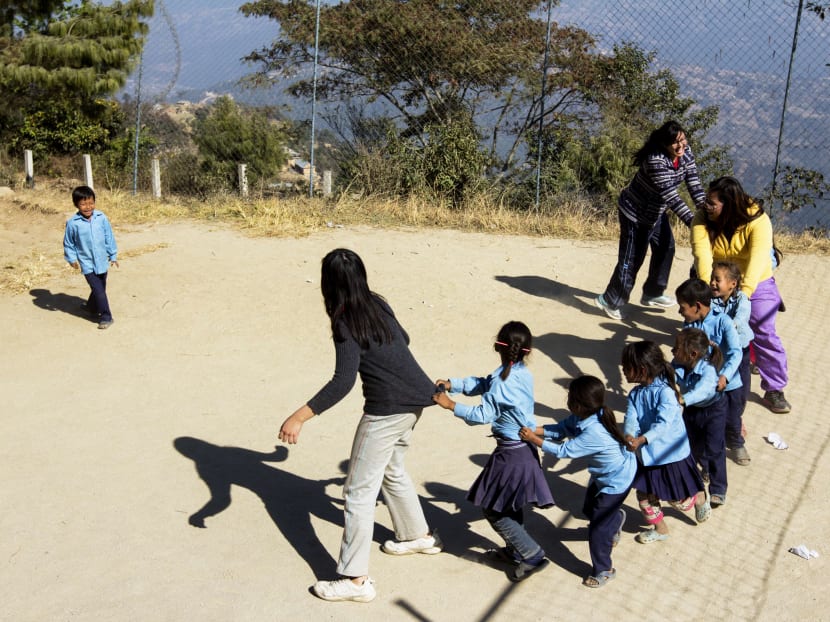
At HCI, 12 students went to Nepal last December on a joint overseas volunteer trip with ITE College West students. Another trip to Indonesia is scheduled for this year.
HCI student Fan Jun Wei, 18, said that through this volunteering experience to construct a classroom, he saw that the ITE College West students were relatively more efficient and adept in hands-on work.
ITE College West life skills lecturer Ramasamy Subramaniam said: “Out there (in Nepal), the students are all the same, they have to work together and everyone had different opportunities to lead.”
Over at Raffles Girls’ School, recent service learning projects involved teaching the angklung musical instrument to latchkey children at a student care centre. Some students also spend Saturday mornings assisting cleaners to clear dishes and clean tables at the Adam Road Food Centre.
Despite these fresh efforts, Member of Parliament Baey Yam Keng felt that more can be done to encourage social mixing in schools.
He agreed that such collaborations between schools were positive, but suggested that the top five pupils of any primary school be allocated a place in top schools, even if they might have missed the cut-off point.
“The opportunity to come together and work together — nothing beats the daily interaction,” said Mr Baey, who is a member of the Government Parliamentary Committee for Education.
Stay in the know. Anytime. Anywhere.

Subscribe to our newsletter for the top features, insights and must reads delivered straight to your inbox.
By clicking subscribe, I agree for my personal data to be used to send me TODAY newsletters, promotional offers and for research and analysis.






