
Wet market, Prime supermarket in Bukit Batok visited by Covid-19 cases while infectious
SINGAPORE — The Ministry of Health (MOH) on Wednesday (April 7) added two more locations to a list of public places that had been visited by Covid-19 cases during their infectious period.
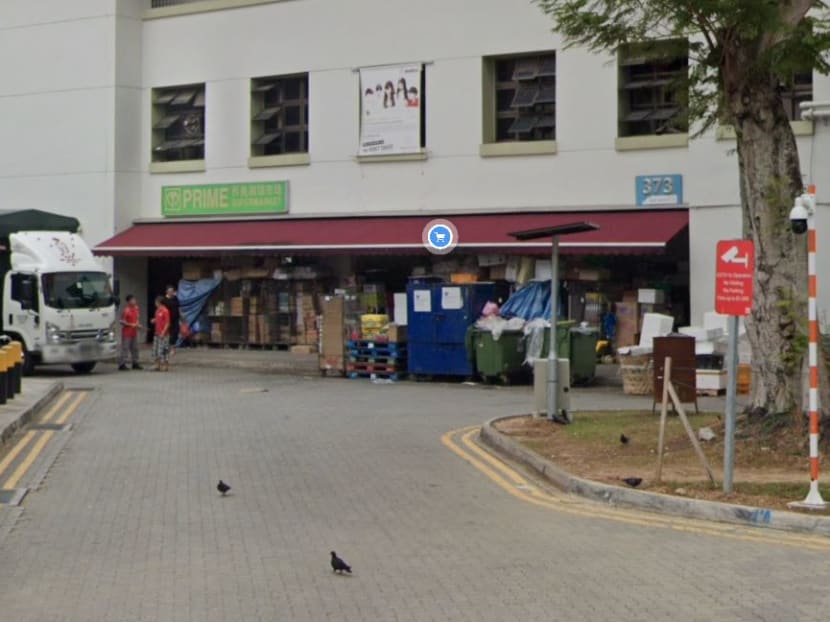
The Prime Supermarket at Block 373 Bukit Batok Street 31 was visited by Covid-19 cases while they were infectious on April 3, 2021 between 7.30am and 8.40am.



SINGAPORE — The Ministry of Health (MOH) on Wednesday (April 7) added two more locations to a list of public places that had been visited by Covid-19 cases during their infectious period.
In its evening update on the coronavirus situation in Singapore, it said that the infectious persons had visited:
Prime supermarket at Block 373 Bukit Batok Street 31 on April 3 between 7.30am and 8.40am
Bukit Gombak Wet Market at Block 374 Bukit Batok Street 31 on April 4 between 7am and 9am
MOH said that it would have already notified individuals who were identified as close contacts of the confirmed cases.
"As a precautionary measure, persons who had been at these locations during the specified timings should monitor their health closely for 14 days from their date of visit," it added.
"They should see a doctor promptly if they develop symptoms of acute respiratory infection (such as cough, sore throat and runny nose), as well as fever and loss of taste or smell, and inform the doctor of their exposure history."
MOH added that individuals may also access the SafeEntry Location Matching Self-Check service via the TraceTogether mobile application, SingPass app, or at https://wereyouthere.safeentry.gov.sg to check whether they were at these locations during the specified timings, based on their own SafeEntry records.
Members of the public also do not need to avoid places where confirmed cases of Covid-19 have been, MOH said.
The National Environment Agency will engage the management of the affected premises to provide guidance on cleaning and disinfection.
On Wednesday, MOH reported 35 new cases of Covid-19 in Singapore, including one in the community. The remaining 34 are imported.
Related topics
Covid-19 coronavirus MOHStay in the know. Anytime. Anywhere.
Subscribe to our newsletter for the top features, insights and must reads delivered straight to your inbox.
By clicking subscribe, I agree for my personal data to be used to send me TODAY newsletters, promotional offers and for research and analysis.