
Infuse gaming elements into efforts to reduce plastic use
Supermarket chain NTUC FairPrice’s extension of its no-plastic-bag policy shows its commitment to encouraging patrons to use less plastic (“NTUC FairPrice’s ‘no plastic bag’ initiative to be extended to 25 stores islandwide for a year”; Nov 4).
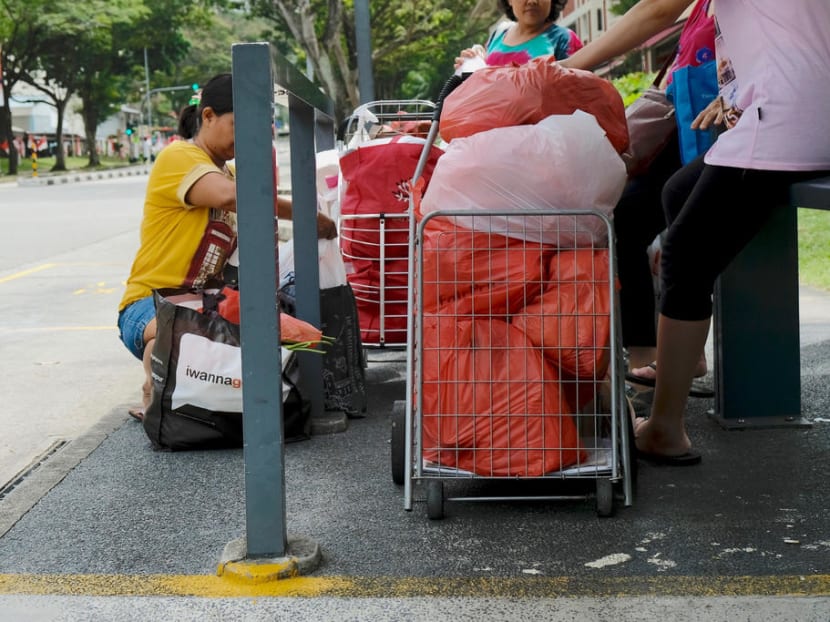
Supermarket chain NTUC FairPrice could introduce a gaming element to its mobile application to nudge patrons to reduce plastic-bag use, says the writer.

Supermarket chain NTUC FairPrice’s extension of its no-plastic-bag policy shows its commitment to encouraging patrons to use less plastic (“NTUC FairPrice’s ‘no plastic bag’ initiative to be extended to 25 stores islandwide for a year”; Nov 4).
This effort is in step with Singapore’s zero-waste goal. Shoppers who need bags can buy them at between 10 and 20 cents per transaction at participating stores.
But supermarkets cannot depend solely on penalising shoppers to reduce the use of plastic bags.
Based on the news report, only 12.9 per cent of FairPrice customers who supported the charges found it a deterrent to plastic-bag use. Thus, a majority of patrons do not believe that the charges are effective.
“Gamification”, which uses the principles of gaming to encourage people to take part in activities where engagement is traditionally difficult, could be a solution.
My Eco, a United States-based sustainability business, uses a mobile application with a gaming element to encourage reuse. The app allows users to track the quantity of plastic bags they have saved from landfills as a result of bringing their own bags.
As part of a partnership with My Eco, US grocery chains Shaw’s and Star Market give shoppers a financial reward every time they bring their own bags. This is possible because of business savings on disposable bags.
FairPrice could introduce a similar gaming element to its app to encourage shoppers to reduce plastic-bag use.
Each user can be given a QR (quick-response) code in the app to uniquely identify them.
Staff members can scan the QR codes of shoppers who do not need plastic bags for their purchases. Shoppers with the biggest amount of purchases made with the least plastic bags in a year could be rewarded.
This will benefit FairPrice, too: The supermarket chain will not only save on costs from buying plastic bags. The move will also increase customer loyalty.
Initiatives with gaming elements have been successful in Singapore. For example, more than 350,000 people took part in the second season of the Health Promotion Board’s National Steps Challenge, a campaign to nudge Singaporeans towards active lifestyles, from October 2016 to April 2017.
Competition spurs us on.
Let us continue exploring interesting ways to cut plastic consumption effectively. Each of us has a part to play in reducing plastic waste.
Have views on this issue or a news topic you care about? Send your letter to voices [at] mediacorp.com.sg with your full name, address and phone number.
Related topics
plastic bag plastic waste environment NTUC FairPriceStay in the know. Anytime. Anywhere.

Subscribe to our newsletter for the top features, insights and must reads delivered straight to your inbox.
By clicking subscribe, I agree for my personal data to be used to send me TODAY newsletters, promotional offers and for research and analysis.






