
A volunteer’s view: Why Section 377A is a big obstacle to HIV prevention in Singapore
I refer to the letter “Controlling HIV infections: Not much to do with Section 377A” (Sept 24).
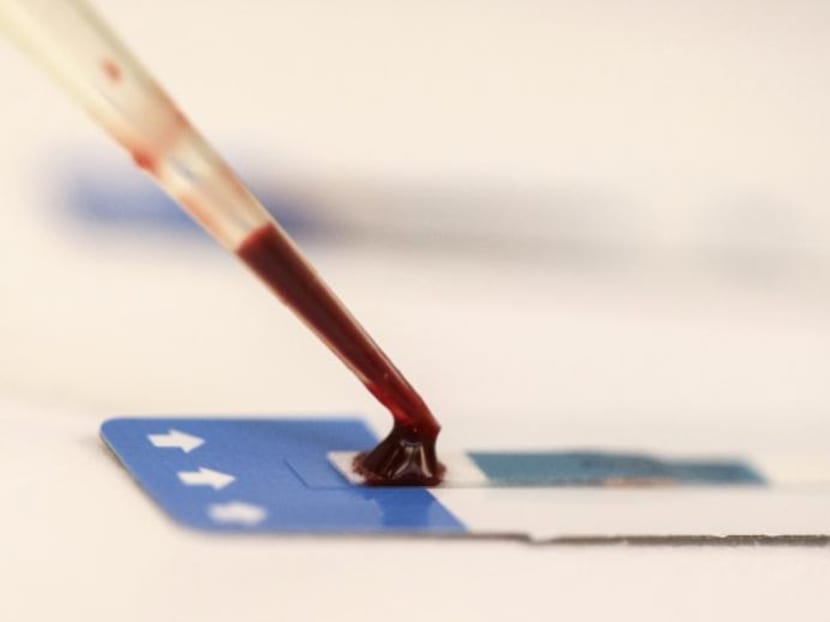
Clinical testing done in a laboratory. The letter writer illustrates how Section 377A of the Penal Code has been an obstacle to early HIV testing and infection control.

I refer to the letter “Controlling HIV infections: Not much to do with Section 377A” (Sept 24).
I am a Singaporean — born a woman and am heterosexual — working as a teacher with the special-needs community.
Having joined the non-governmental group Action for Aids as a volunteer since 2009, I have been involved in HIV counselling and testing through the Anonymous Testing and Counselling Service (ATS), and facilitating support for persons living with the human immunodeficiency virus (HIV) and the acquired immunodeficiency syndrome (Aids).
Like the writer, I share the view that HIV prevention is an area of concern.
However, I do not agree with his opinion that Section 377A has not much impact on Singapore’s efforts to control HIV infections and that they are separate matters.
As someone who has first-hand experience on this, I would like to illustrate how Section 377A of the Penal Code has been an obstacle to early HIV testing and infection control.
Under the ATS programme, counselling and HIV-testing services are anonymous for clients.
But yet, I see many clients — most of whom are men who have sex with men (MSM) — who are fearful of their sexual history being shared with the Government.
One client even believed that if he was spotted walking into the clinic by colleagues, he would be fired from his civil service job.
Saddled by the fear of the law, there are MSM who forgo HIV testing entirely.
The Government has often stated its position that it does not actively enforce the law and that no one has been prosecuted under it so far.
However, the impact of Section 377A extends beyond concerns of enforcement and it shows up in the apprehension that people have about early HIV-testing, which ultimately deters them from seeking early diagnosis and treatment.
A common misperception that many clients have is that HIV is a “gay disease”, with some even questioning the rationale for testing when “it is illegal for them to have sex”.
Section 377A has thus perpetuated homophobia in our society, pushing MSM into the shadows and making it more difficult for HIV control measures to reach them.
The reach and effectiveness of outreach programmes targeting MSM are limited, thereby impeding dissemination of accurate information to people who need it most.
When I facilitate HIV support groups, I see many clients who are newly diagnosed as having the virus being reluctant and fearful to share information with the Ministry of Health, especially information about their sexual history that is important for contact-tracing.
These people have expressed that their uneasiness stems directly from the possibility of being prosecuted under Section 377A.
The pressure of the state, coupled with struggles to accept their HIV status, often develop into self-stigmatisation and neglect in seeking treatment.
Section 377A not only perpetuates the public’s discrimination against people who have HIV, it implicates the treatment and support provided to them.
This law has no direct impact on myself or my family. But as a volunteer serving a marginalised group of people, my experience has shown me that it prevents the necessary work that must be done to control HIV infections and to support HIV sufferers in Singapore.
Stay in the know. Anytime. Anywhere.

Subscribe to our newsletter for the top features, insights and must reads delivered straight to your inbox.
By clicking subscribe, I agree for my personal data to be used to send me TODAY newsletters, promotional offers and for research and analysis.






