
Deaths of giant panda and cub at Shanghai wildlife park spark heated online debate
HONG KONG — The death of a giant panda and her cub at the Shanghai Wild Animal Park – the fourth and fifth to die at the park in 10 years – has sparked heated debate online over whether the zoo should be allowed to continue rearing the vulnerable animals.
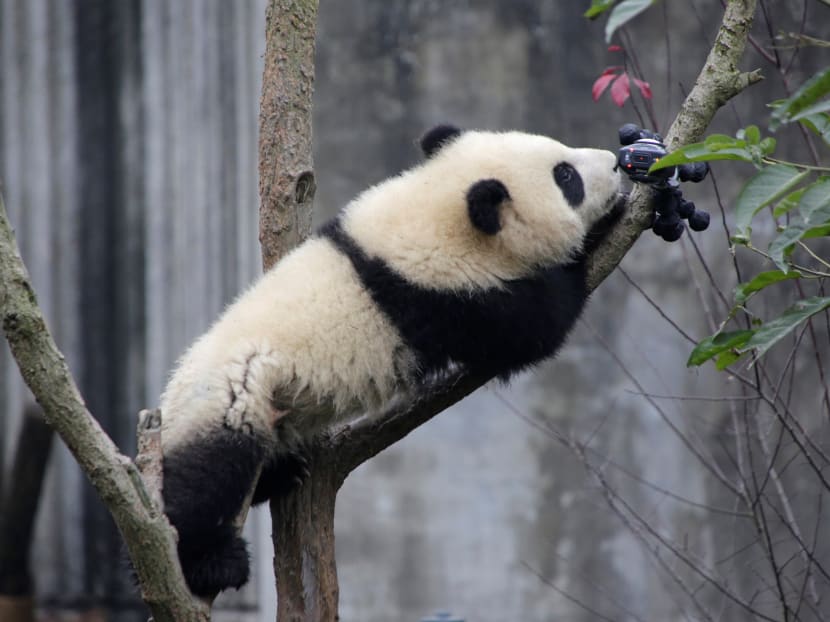
Reuters file photo

HONG KONG — The death of a giant panda and her cub at the Shanghai Wild Animal Park – the fourth and fifth to die at the park in 10 years – has sparked heated debate online over whether the zoo should be allowed to continue rearing the vulnerable animals.
The park announced the deaths of the two pandas last Thursday (Jan 19).
The animals died on Dec 26 and Dec 31, the news website Huaxi100.com reported.
The two pandas who died were 21-year-old mother Guo Guo and her panda cub daughter Huasheng, which means peanut in Chinese.
Guo Guo showed symptoms of fever and diarrhoea and died of an acute pancreas infection and organ failure after a week of efforts by a team of experts, including from the Wolong National Nature Reserve in Sichuan, the biggest panda breeding centre in China, the park said in a statement on social media.
Huasheng was stopped from natural breastfeeding and died of intestinal and organ failure five days later.
Guo Guo gave birth to the first pair of twin panda cubs after the Sichuan earthquake in 2008. One died later in the park.
Two other pandas died in 2006 and 2015, but the reasons for their deaths were not identified, the state-run news agency Xinhua reported.
The park’s notice drew announcing the latest deaths generated over 250,000 clicks on the internet in two hours.
One person commented : “If you do not know how to rear pandas, can you just return them to Sichuan?” The comment gained 13,941 likes.
Others expressed sadness over the panda deaths and criticised the park.
Mr Tao Fengyuan, the corporate manager at the park which cares for over 10,000 animals from all over the world, said some fatalities were inevitable.
“Go and have a look at other zoos, they only rear one or two pandas. Therefore it is a quantity and probability problem,” Mr Tao said.
He added that the park was confident in its ability to care for the five other pandas still living at the zoo.
The park said it will report the deaths of the two pandas to the government’s wildlife animal protection administration.
The number of rare giant pandas has increased in recent years.
The species was listed as vulnerable rather than endangered on the International Union for Conservation of Nature Red List last year.
The World Wide Fund for Nature says a panda’s average lifespan in the wild is 14 to 20 years, while animals in captivity can live up to 30 years. SOUTH CHINA MORNING POST
Stay in the know. Anytime. Anywhere.

Subscribe to our newsletter for the top features, insights and must reads delivered straight to your inbox.
By clicking subscribe, I agree for my personal data to be used to send me TODAY newsletters, promotional offers and for research and analysis.






