
#trending: China launches palm-scan payment system, amazes netizens though some raise security, privacy concerns
CHINA — Chinese tech giant Tencent Holdings has introduced a palm-recognition payment method on May 21 in Beijing through its Weixin Pay service, referred to as WeChat Pay internationally.
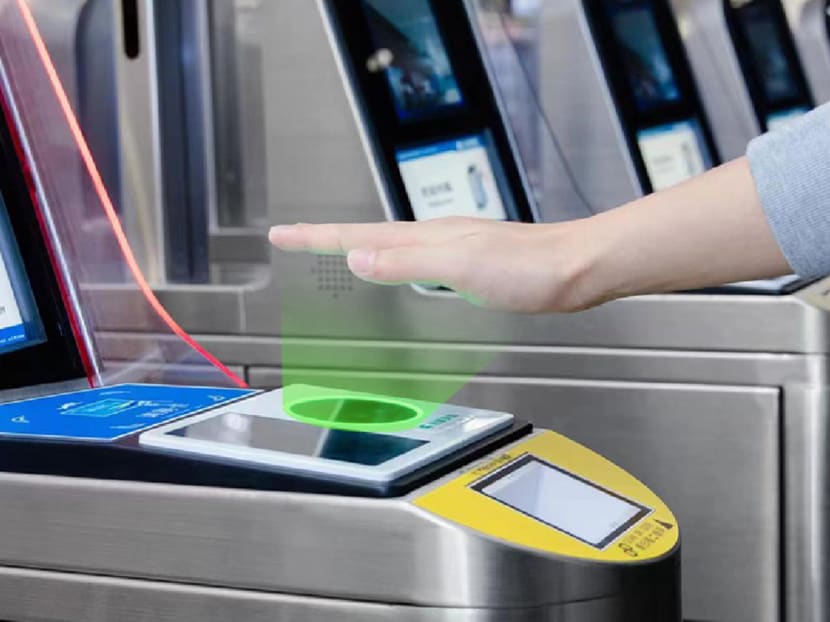

- Chinese technology company Tencent Holdings has developed a new payment method in Beijing that allows users to pay using their palms
- The new palm-recognition method allows metro passengers to pay for their trips and is soon expected to be used at offices, campuses, retail outlets and restaurants
- The new payment method has garnered mixed reactions from netizens, some of whom are impressed by its advanced technology
- Other netizens have expressed concerns about the potential invasion of privacy and security
CHINA — Chinese tech giant Tencent Holdings has introduced a palm-recognition payment method in Beijing, allowing commuters using the metro to simply wave their palms over a scanner to pay for rides.
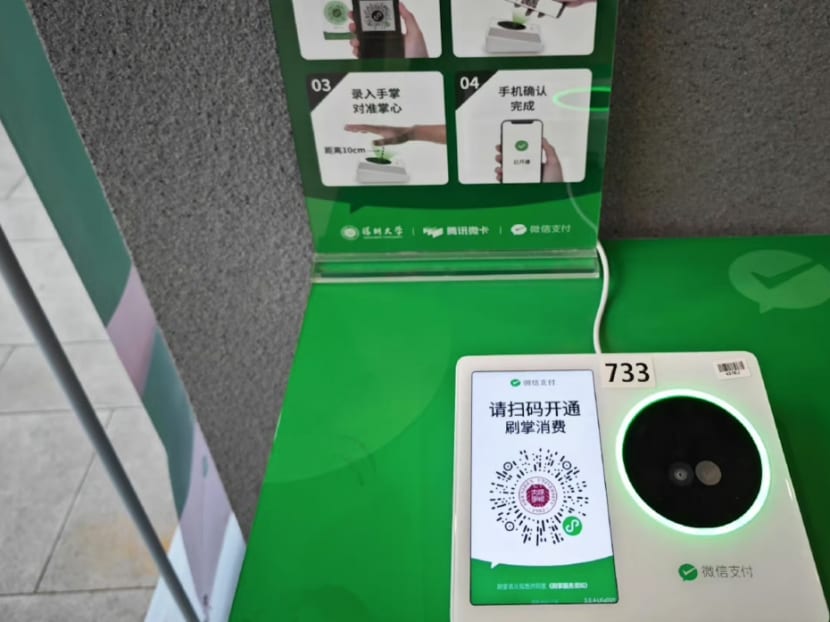
Instead of using cards or phones to pay for rides, commuters in the capital city can wave their palms over a scanner which detects the user’s unique palm print and triggers an automatic payment from their WeChat account.
The palm-recognition technology was launched on May 21 through its Weixin Pay service or WeChat Pay, as it is known internationally.
According to Tencent, the technology utilises non-contact recognition of both surface-level palm prints and hand veins.
While many in China may be familiar with cashless payment systems, this new payment technology has garnered mixed reactions from people. Some were receptive and amazed by its advanced technology and the convenience it could bring to many.
A YouTube user said: “I'm amazed to see how massive technological developments (are) in China. The convenience level is on a whole different level than (in) other countries.”
“This is way ahead of the world. It will become a new standard globally. Mark my words,” another YouTube user commented.
Other online users, however, expressed concerns about their security being potentially at risk when using the new payment method.
“Yet another way to collect biometric data and keep tabs on the population,” said one user on Instagram, a comment which has garnered at least 10,000 likes from others.
In today’s digital climate where biometric data theft has become commonplace, online users have become increasingly conscious of their data privacy.
Another Instagram user wrote: “This is gonna take identity theft to a whole new level.”
““People will steal hands instead of wallets now.”Instagram user @vishnu.zhnwar”
Other netizens have also poked fun at the new payment method and its use of palms.
An Instagram user wrote: “People will steal hands instead of wallets now.”
“But what if I wanted to pay with my husband's palm,” joked another Instagram user.
Currently, the service is only available to residents in Mainland China who have completed their identity verification for WeChat Pay and can be used at designated metro stations.
However, Tencent plans to gradually incorporate the palm-recognition payment method at offices, campuses, retail outlets and restaurants.
It is unclear when the company plans to roll out palm payments beyond Beijing.
OTHER INNOVATIVE WIRELESS PAYMENT METHODS
Before palm-recognition payment, Tencent Holdings had also introduced facial-recognition payment in 2019 called the “Frog Pro”, allowing users to make payments by scanning their faces.
Used in convenience stores, vending machines and supermarkets, users can make their payments by just glancing at cameras located at store checkouts.
To use the facial-recognition payment in China, users need only a working WeChat account and an associated bank account.
Facial-recognition payment has become a popular mode of payment in China with more than 495 million users using it in 2021, according to iiMedia Research's estimates.
However, users have also expressed concerns about the security of facial-recognition payment despite enjoying its speed and convenience, according to a study done by Nielsen Norman Group in 2022.
Related topics
trending e-payments cashless paymentStay in the know. Anytime. Anywhere.

Subscribe to our newsletter for the top features, insights and must reads delivered straight to your inbox.
By clicking subscribe, I agree for my personal data to be used to send me TODAY newsletters, promotional offers and for research and analysis.






