
Putrajaya left UN women’s rights committee with more questions than answers: NGOs
PETALING JAYA — The lack of political will is to blame for the country’s 12-year lag in women’s rights progress, said a coalition of 37 civil societies after what it deemed a dismal showing by Putrajaya in a review in Geneva, Switzerland on Tuesday (Feb 20).
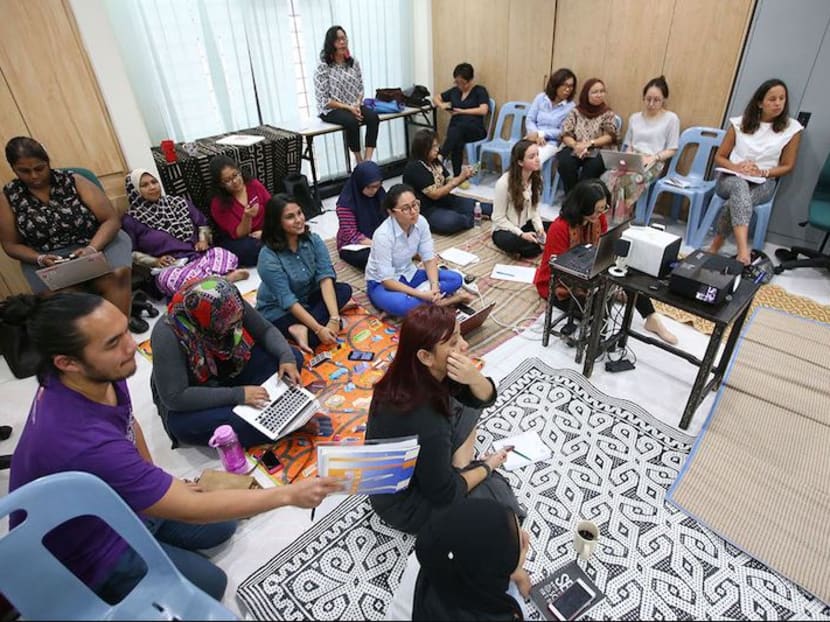
The lack of political will is to blame for the country’s 12-year lag in women’s rights progress, said a coalition of 37 civil societies after what it deemed a dismal showing by Putrajaya in a review in Geneva, Switzerland on Tuesday (Feb 20). Photo: The Malay Mail Online

PETALING JAYA — The lack of political will is to blame for the country’s 12-year lag in women’s rights progress, said a coalition of 37 civil societies after what it deemed a dismal showing by Putrajaya in a review in Geneva, Switzerland on Tuesday (Feb 20).
The coalition had congratulated the government for facing the United Nations’ Convention on the Elimination of All Forms of Discrimination Against Women (Cedaw) committee, but were disappointed over the delegation’s vague answers on many key human rights issues.
“Malaysia’s twelve-year delay in submitting its report to the Cedaw Committee reflects a lack of political will, which remains the great stumbling block in advancing gender equality in the country,” it said in a statement.
“The coalition regrets that the review session left the committee with more questions than answers … We strongly believe that this is evidence of the lack of political will when it comes to making meaningful steps towards gender equality in Malaysia,” it added.
Malaysia ratified the Convention in 1995, and is obligated to report on progress made every four years. However, the last time Malaysia submitted its report to the Cedaw Committee was in 2006.
Among the key issues which the 24-member delegation did not provide a clear answer to — or even offer a principle response to — was the “bin Abdullah” case, where the National Registration Department refuses to allow Muslim children born within six months of the parents’ wedding to bear their father’s name.
When pressed by Cedaw vice-chair Ruth Halperin-Kaddari on the matter, Mr Arik Sanusi Yeop Johari from the Attorney-General’s Chambers did not provide a clear answer, but merely stated that the matter is still under subjudice as the case is currently pending in the Federal Court.
“While we are well aware that these cases are an ongoing and pending judgement at the court level, we believe that it is important for the government to have a principled stance on these cases,” says the statement.
The coalition also chided the answers given by secretary-general of the Women, Family and Community Development Ministry, Ms Suriani Ahmad, that lesbian, gay, bisexual, transgender, intersex and queer (LGBTIQ) persons enjoyed equal rights, and their opinions matter in the country.
“We would like to remind the government that existing laws criminalise persons based on sexual orientation, gender identity, gender expressions and consensual, sexual acts and in fact, the state spearheads and funds anti-LGBTIQ initiatives in the country,” it said.
The coalition also finds the response given by the Malaysian delegation that female genital mutilation — which is still practised in the country — is safe and a means to control women’s sexual urges deeply worrisome.
“The Coalition is concerned that the principle behind the mandatory circumcision, is to control women’s sexual urges, was not disclosed by the government,” it said.
The coalition also noted that issues such as child marriage, comprehensive sex education, inheritance, foreign and domestic workers as well as reforms to existing Islamic family laws were not given clear answers to. It hopes the government will make efforts in solving these critical human rights issues.
Malaysia has until the end of today to submit responses to unanswered questions posed by the committee. THE MALAY MAIL ONLINE
Stay in the know. Anytime. Anywhere.

Subscribe to our newsletter for the top features, insights and must reads delivered straight to your inbox.
By clicking subscribe, I agree for my personal data to be used to send me TODAY newsletters, promotional offers and for research and analysis.






