
Research shows lasting effects of smoking after quitting
PARIS — Researchers are still discovering how smoking continues to harm people's health even years after they quit, with a new study on Wednesday (Feb 14) revealing tobacco's lasting effect on the immune system.

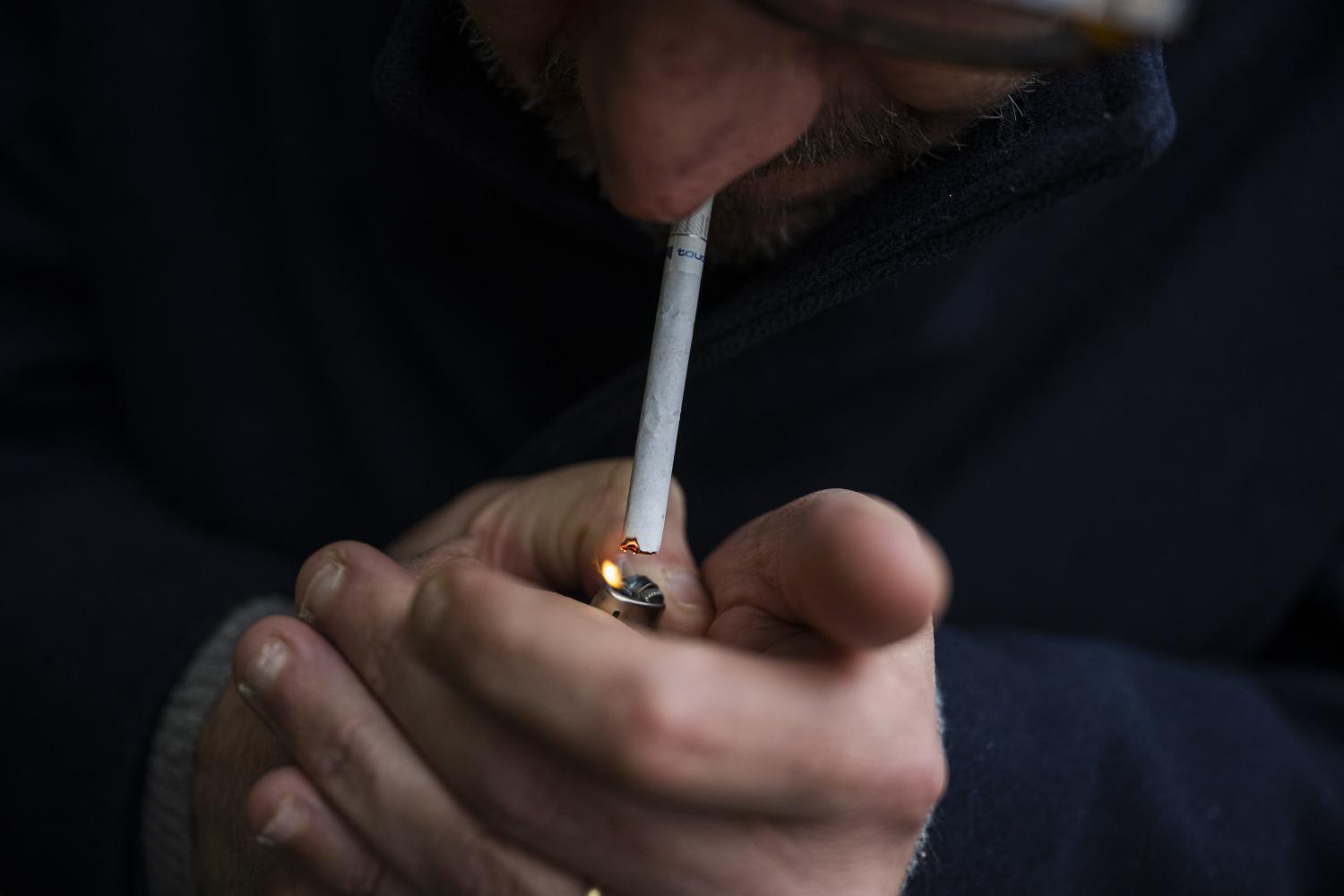
This picture taken on Oct 31, 2023 shows a man as he smokes a cigarette in Sundbyberg, near Stockholm.


This audio is AI-generated.
PARIS — Researchers are still discovering how smoking continues to harm people's health even years after they quit, with a new study on Wednesday (Feb 14) revealing tobacco's lasting effect on the immune system.
Despite the tobacco industry's long fight to conceal the dangers of smoking, tobacco is now known to kill more than eight million people globally a year, according to the World Health Organization.
But the myriad of ways the habit damages bodies are still coming to light.
The new study, published in the journal Nature, found that smoking alters the immune system, which protects bodies from infection, for far longer than previously thought.
It particularly highlighted changes to what is called adaptive immunity, which is built up over time as the body's specialised cells remember how to fight back against foreign pathogens they have encountered before.
The findings were based on analysing blood and other samples taken from 1,000 healthy people in France starting from more than a decade ago.
Smoking was found to have more influence on adaptive immunity than other factors such as the amount of sleep or physical activity, the researchers said.
The study also confirmed previous research which has shown smoking's effect on "innate immunity", which is the body's first line of defence against invading pathogens.
While innate immunity rebounded immediately after people stopped smoking, adaptive immunity remained affected for years, even decades after quitting, the study said.
The sample size was too small to give a precise timeline for how long these changes last.
The researchers emphasised that the effect does wear off — so the sooner people quit the better.
Of course, it is still better "for long-term immunity to never start smoking," lead study author Violaine Saint-Andre of France's Pasteur Institute told a press conference.
The researchers could not say for sure what consequences these changes may have on health. However they hypothesised that it could affect people's risk of infections, cancer or autoimmune diseases.
THE SOONER THE BETTER
Another study, published last week in the journal NEJM Evidence, aimed to determine how much quitting smoking was linked to a lower risk of disease and dying early.
It covered 1.5 million people across the United States, Canada, Norway and the UK, some of them active smokers, some who never started — and everyone in between.
When people quit smoking, it took 10 years for their average life expectancy to return to the same level as non-smokers, according to the study.
Again, the researchers emphasised the importance of quitting as soon as possible — some benefits were evident as early as three years after kicking the habit.
The effect was noticeable no matter what age people quit, however the benefits were more pronounced for those under 40. AFP
Related topics
Smoking health tobacco cancerStay in the know. Anytime. Anywhere.

Subscribe to our newsletter for the top features, insights and must reads delivered straight to your inbox.
By clicking subscribe, I agree for my personal data to be used to send me TODAY newsletters, promotional offers and for research and analysis.





