
24 Singaporean Fresh Food Producers To Get Veggies, Eggs, Fish & Chicken From
It’s a good time to support local businesses.
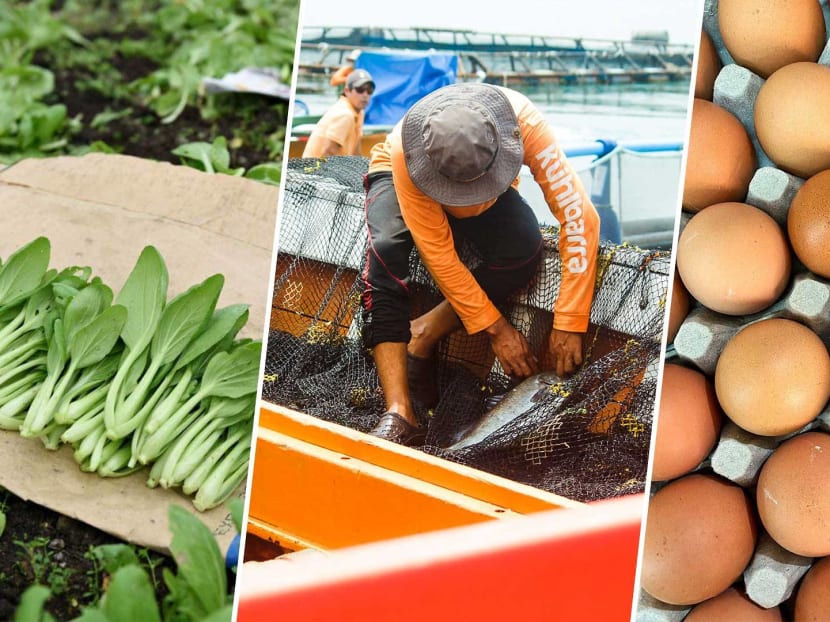
It’s a good time to support local businesses.

In a bid to contain the COVID-19 outbreak, Malaysia implemented a restricted movement order on March 18. The order prohibits locals from travelling in and out of the country till March 31 (tourists can leave any time during the lockdown, but not enter). All businesses, except the essentials like supermarkets, will also be closed.

When the Malaysian government announced the impending order on March 16, there was concern among Singaporeans about whether our supply of fresh food would be affected, as Singapore imports a fair bit of vegetables, meat, eggs and fruits from Malaysia.
This sparked a second round of food hoarding at local supermarkets on the night of March 16 — 8days.sg went to an NTUC FairPrice supermarket in Jurong East to assess the crowd and found that almost every shopper in the long queue had some eggs, poultry or leafy veg in their basket. Even at 3pm yesterday (March 19), a colleague reports that the mood at the FairPrice outlet at Eastpoint in Simei felt “jittery” and “there were no leafy veggies or toilet paper”. Another colleague shares that it’s now difficult to get a delivery slot on e-grocery store RedMart, as most of the upcoming slots have been snapped up — much like the situation a month ago following the DORSCON Orange alert.
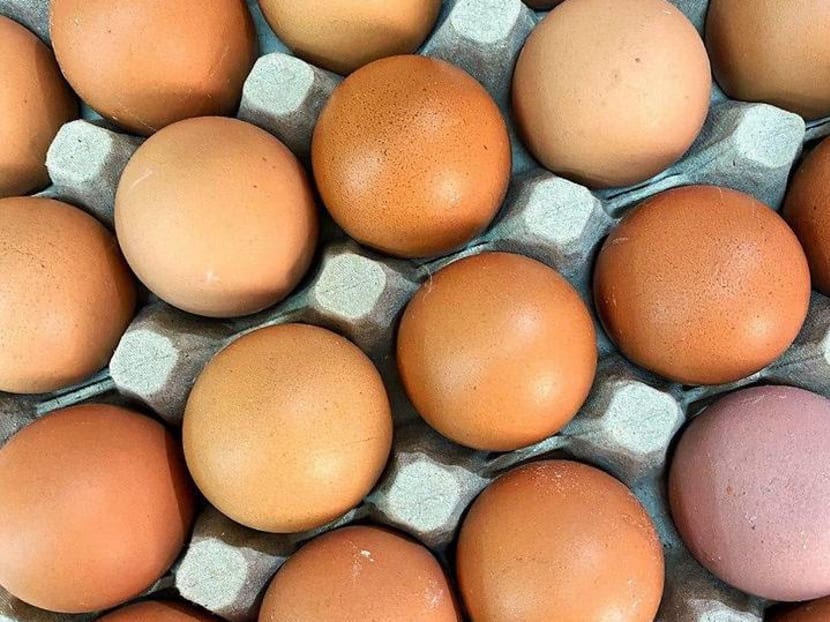
Food security is a real issue during uncertain times. But the good news is — there’s no need to worry about our food supply being in a vulnerable state even with neighbouring countries (partially) closing their borders due to the onslaught of the virus. While Singapore imports about 90 per cent of its food, it sources from a wide range of suppliers including both neighbouring countries like Thailand and Indonesia, and far-flung Brazil, Argentina and Uruguay. This means that even if one country stops its flow to us, there’s still a backup plan.
Trade and Industry Minister Chan Chun Sing explains on Facebook that we also have many other source countries which we have identified over the years and are able to activate them quickly when the need calls for it . He had taken stock of a “very special cargo” of 300,000 eggs from Thailand, which ramped up its egg supply to Singapore after Malaysia – which supplies 73 per cent of the eggs consumed here – activated its lockdown.

Prime Minister Lee Hsien Loong has also assured Singaporeans in a Facebook post that he was in touch with Malaysia’s PM Tan Sri Muhyiddin Yassin, who said that “the flow of goods and cargo between Singapore and Malaysia, including food supplies, would continue”. Channel NewsAsia also reports that the flow of cargo from Malaysia to Singapore was undisrupted, even on the first day of the restricted movement order.
Nonetheless, we have compiled a list of Singaporean fresh food producers (some well-known, some under-the-radar) worth buying from anytime, pandemic or not. While their output comprise only about 10 per cent of Singapore’s total food supply (the Singapore Food Agency has a goal to have 30 per cent of Singapore’s food supply produced locally by 2030), the produce is grown with much love and care. And this being Singapore, you can take comfort in the fact that the source of your veg/meat/fish/milk is 100 per cent safe for consumption.
Eating local also means fresher food, a longer shelf life, and a reduction in carbon footprint, since the transportation time of ingredients from farm to shelves is vastly reduced. Besides, homegrown food businesses need our love now more than ever, and it’s always a good thing to #supportlocal.
FISH
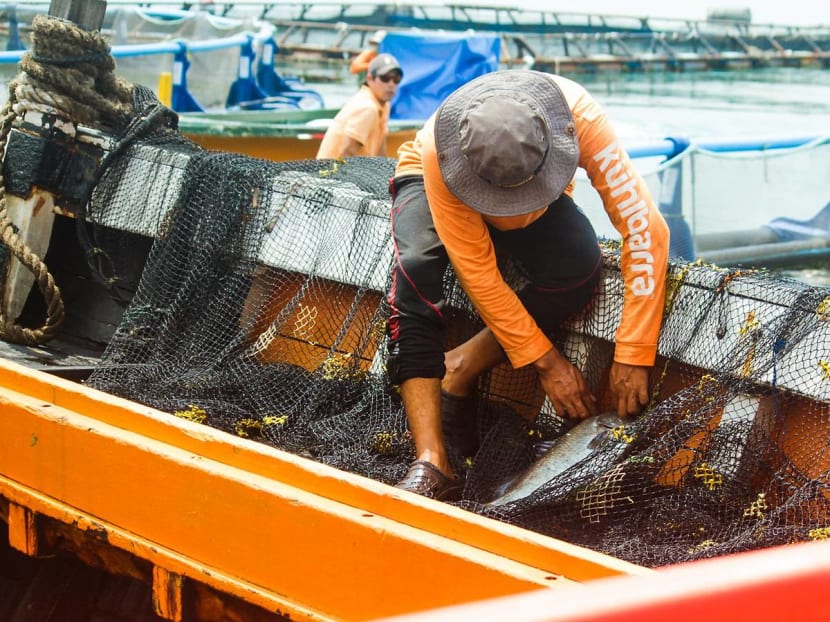
Barramundi farm Kühlbarra supplies its tender, clean-tasting, super fresh fish (farmed in pens on the open seas surrounding Singapore) to notable local Michelin-starred restaurants such as Candlenut, Labyrinth, and also seafood specialist The Naked Finn. Interestingly, its fish takes two years to grow to 4kg to 5kg in size, and the company tells us they plan their supply chain “five to 10 years ahead” so there is minimal disruption to supplies even if there’s a sudden rise in demand.
FYI, here is how you store fish if you’ve bought them in bulk. According to Kühlbarra, “Consumers should only keep chilled [imported] fish that they bought from the fish market or supermarket for up to two to three days.” And for locally-farmed fish like its barramundi, store the vacuum-packed produce “up to 14 days in the chiller from the date of delivery at 0 to 4 degrees Celsius. Alternatively, our customers can also choose to freeze the fish once they receive it and it will keep for up to a year in the freezer”.
But freezing is not ideal if you want to preserve the good quality texture of the fish. Says the brand’s rep: “Most of the household refrigerators can only perform ‘slow’ freezing. During this period, the slow freezing causes the cells to break apart as the liquids in the cell will expand in volume. As a result, when thawed, there will be quite a bit of water loss. This also means that the texture of the fish becomes drier when cooked. As such, to have the best-tasting barramundi, we recommend that our customers order their fish when they need it and to finish it within two weeks.”
Available at Cold Storage and NTUC FairPrice supermarkets, or online at RedMart and www.kuhlbarra.com/shop.

Eco-Ark is Singapore’s latest high-tech offshore fish farm. The dramatic 48m by 28m structure is anchored about 5km away from Changi Point ferry terminal, and uses a sophisticated close containment system (said to be more resilient than the traditional coastal fish farms) developed by the homegrown Aquaculture Centre of Excellence. It has four tanks each measuring 475,000 litres, which can produce up to 166 metric tonnes of barramundi, red snapper and grouper, reports Channel NewsAsia. And it can do that with just two staff workers, making it a very labour-efficient food source.
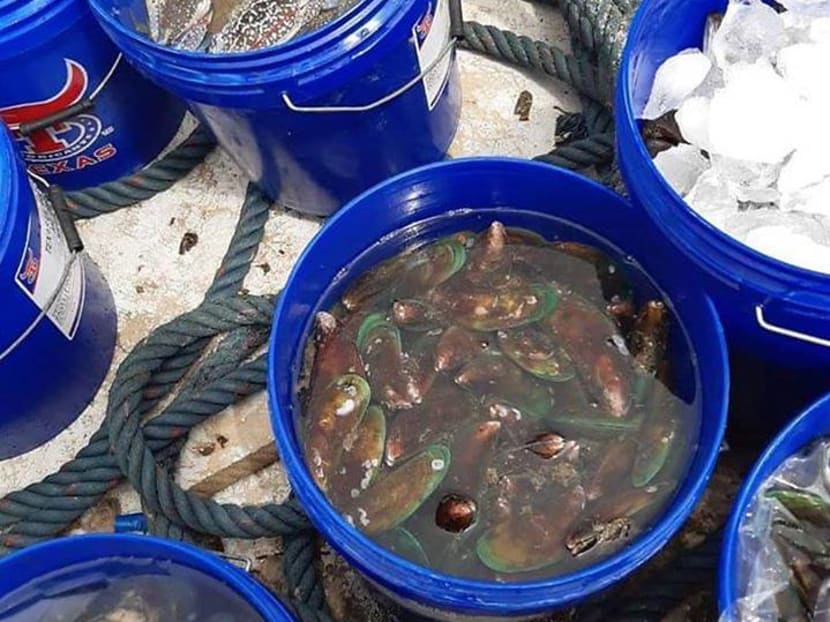
Local fish kelong Ah Hua has been around for some 22 years, and is well-known for its seabass, golden pomfret, red snapper and pearl grouper (it has two commercial farms in Changi and Sembawang). It also catches flower crabs and shellfish like mussels, blood cockles, la la and gong gong from Singapore’s waters. The kelong has expanded to include two seafood eateries, including the modernised Scaled by Ah Hua Kelong at hipster neighbourhood Haji Lane.
Shop online at www.ahhuakelong.com.
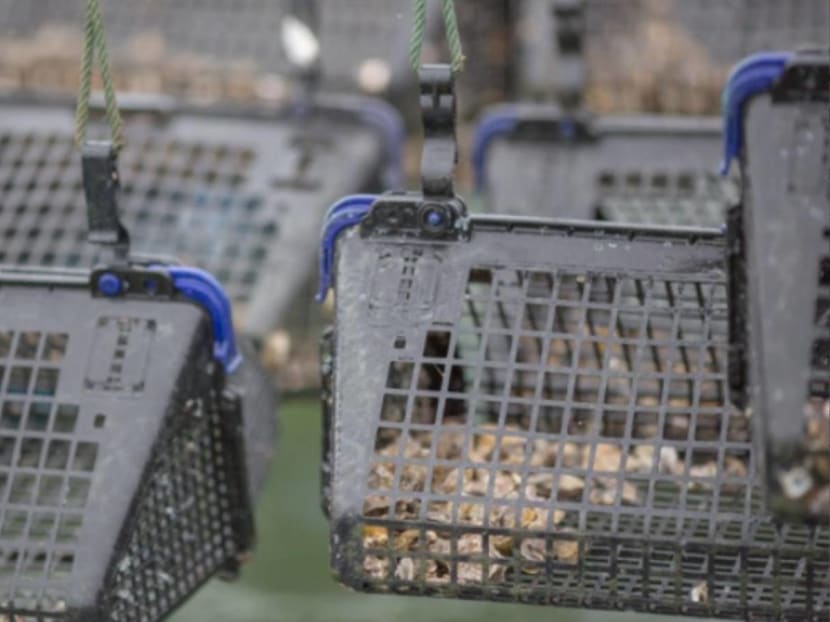
Did you know there’s an oyster farm in Singapore too? The family of Sea Farmers @ Ubin’s founder hailed from China’s Bao’an County (now modern-day Shenzhen), which used to be an oyster-harvesting region and where the family traditionally worked in the oyster trade. Sea Farmers started in 2015 off the shores of Pulau Ubin, and now sells its Pacific and Tropical oysters online.
Shop online via Qoo10 and www.seafarmers.sg.
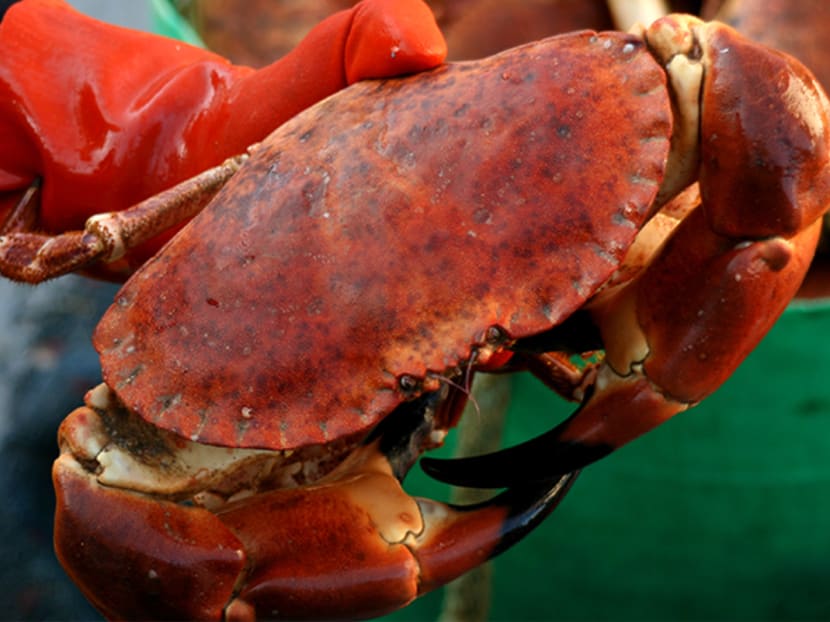
Local crab farm Gills N Claws specialises in rearing and fattening Sri Lankan mud crabs, the star ingredient in zi char crab dishes, at its Lim Chu Kang farm. It also owns a fishery off Pulau Ubin, as well as farms in Malaysia and Sri Lanka. It supplies mainly on a B2B basis, with its produce ordered by major F&B chains like Jumbo Seafood and Tung Lok.
DAIRY, EGGS & LIVESTOCK
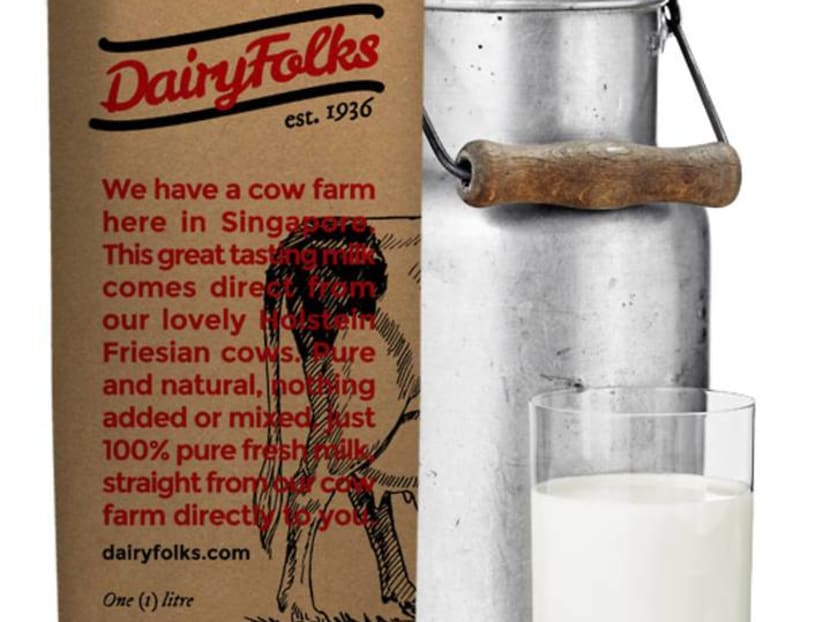
This quaintly-named dairy farm started in Singapore in 1936, and now has some 100 grass-fed Holstein Friesian cows producing milk daily for local consumption (the Dutch breed of cattle is known to yield the highest amount of milk). Other than preservative-free pasturised fresh milk, the farm in Lim Chu Kang also sells house-made ice cream in milk, dark chocolate and salted caramel flavours.
Shop online at www.dairyfolks.com.
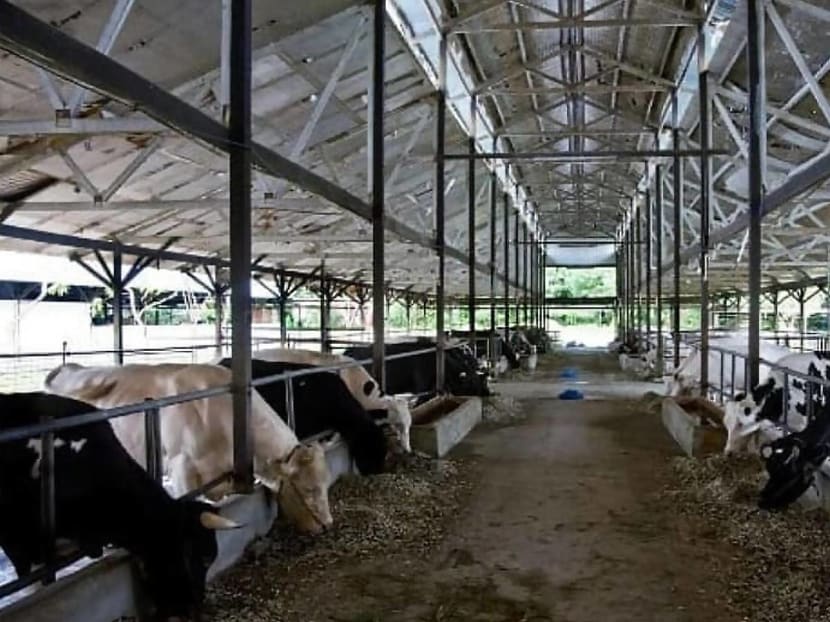
Viknesh sells non-pasturised cow’s milk, which you can buy directly from the farm itself. The Lim Chu Kang farm also made headlines in 2019 for having a playful bull escape from its pen, sparking a bull hunt (it was later found wandering around the farm’s premises). Viknesh’s owner memorably insisted to a journo that “the cow did not escape; escape means go outside [onto the] road, go Jalan Besar, go to other places”. During the annual Pongal festival, which is traditionally celebrated by Indian farmers for a good harvest, the farm’s cows are also draped with flower garlands and led in a colourful procession along Little India.
Buy directly from the farm at 6 Lim Chu Kang Lane 8A, S719607.
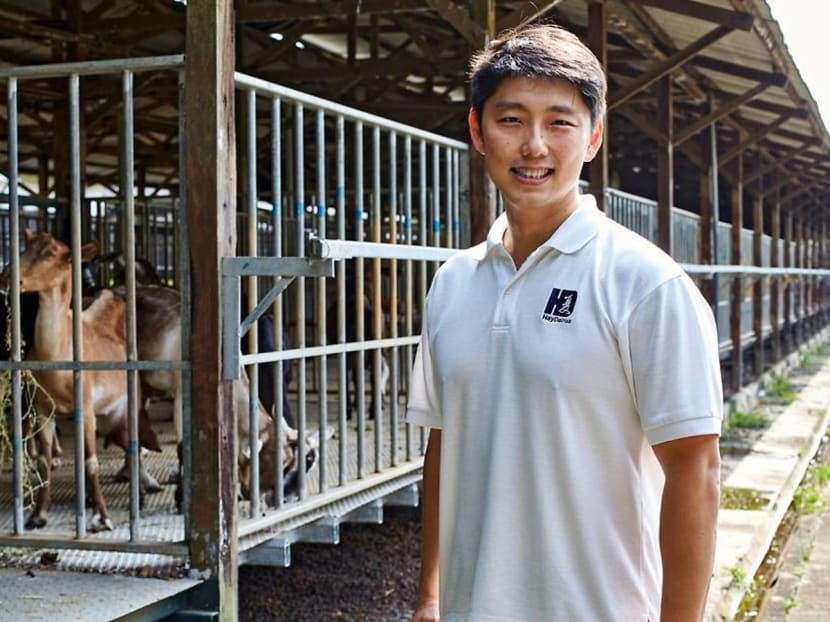
Hay Dairies in Lim Chu Kang is owned by a family surnamed Hay (yes, really), who started their business in 1988. They specialise in goat’s milk, which they also sell in a chocolate flavour (home delivery option available). Goat milk is great for people who are lactose-sensitive because it has less lactose than cow’s milk. Incidentally, we met the second-generation owner of the farm, Leon Hay (pictured), who gives a fascinating account of rearing temperamental goats and helping nanny goats give birth. Read his interview here.
Available at selected Prime & Cold Storage supermarkets, and online at www.haydairies.sg.
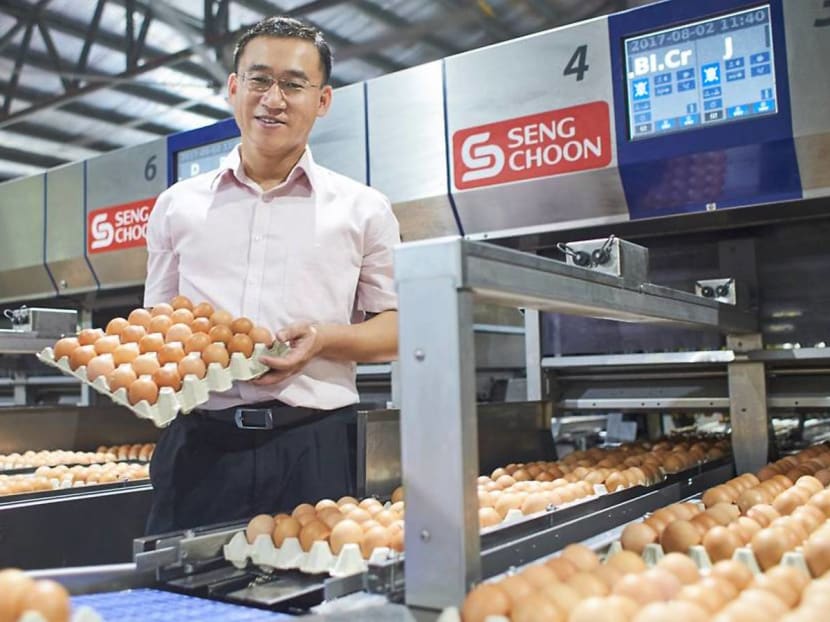
Most Singaporeans would be familiar with Seng Choon, the family-run farm in Lim Chu Kang that produces 10 per cent of the eggs consumed in Singapore (its 800,000 chickens produce an average of 600,000 cage-free eggs daily). Other than regular eggs, it also sells ‘special’ eggs that are lower in cholesterol, and eggs that are high in carotenoids (which is good for the eyes). Seng Choon’s managing director, Koh Yeow Koon (pictured), once shared with us the best way to cook eggs to enhance their natural flavour. Read his interview with 8days.sg here.
Available at major supermarkets. www.sengchoonfarm.com.
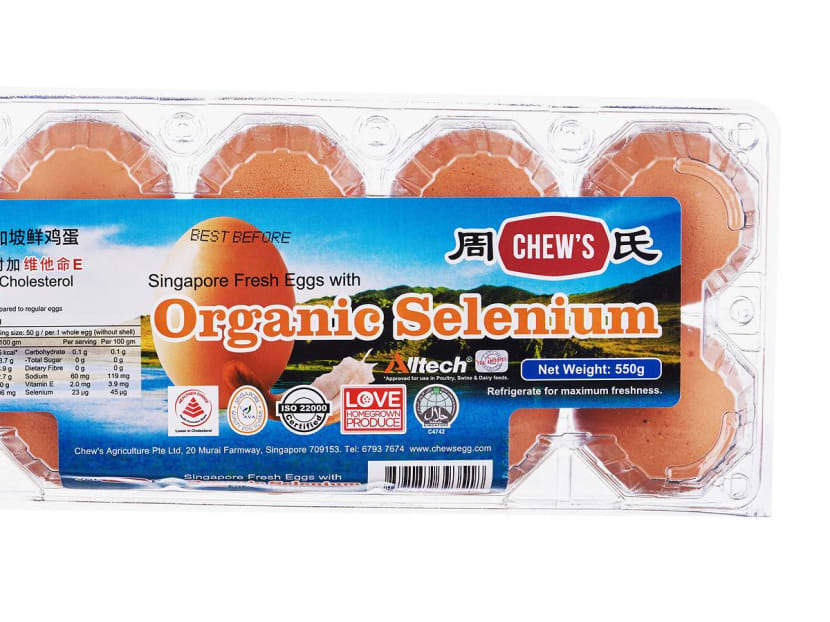
The other well-known egg brand in Singapore is Chew’s, which, according to its official website, operates a 20-hectare farm that supplies some 340,000 eggs daily (about 8 per cent of Singapore’s total egg consumption). A more recently updated Today article from 2019 stated that Chew’s production capacity is now at about 500,000 a day, with plans to open a new, bigger farm in Lim Chu Kang.
Available at major supermarkets. www.chewsegg.com.
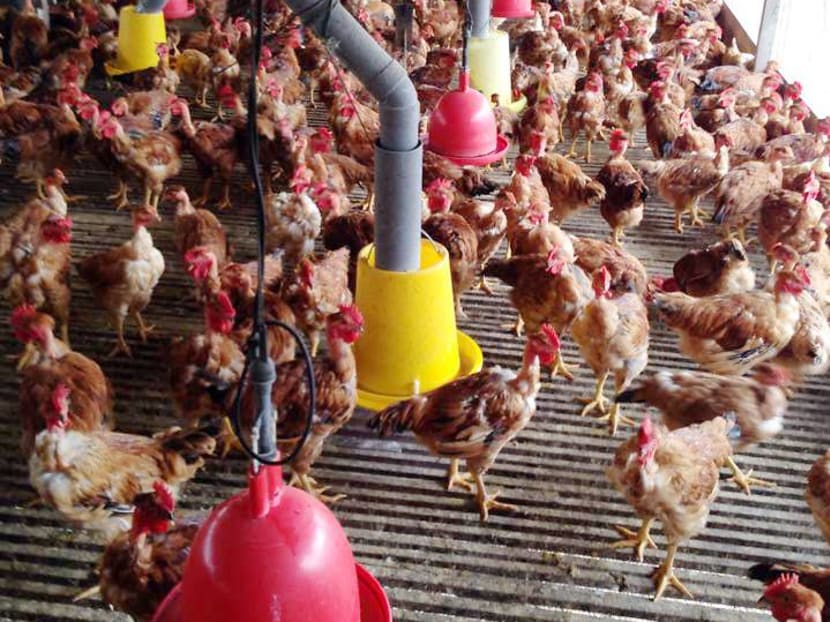
This family-owned poultry farm in Hougang has been around since 1979, and is known for rearing GG French Poulet, a type of gourmet chicken from Sabres, France. It also produces cage-free eggs from these chickens (some are bred as broilers) and supplies to Chinese restaurant chain Imperial Treasure and Michelin-starred restaurants like Burnt Ends, Corner House, Iggy’s as well as the defunct Restaurant Andre and L’Atelier de Joël Robuchon.
Available at Little Farms and Sasha’s Fine Foods. www.oeo.com.sg.
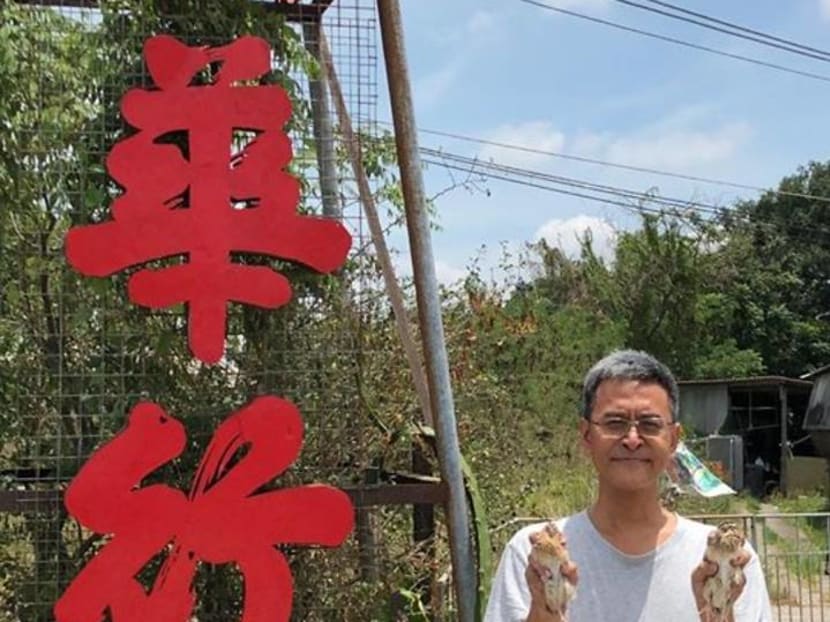
Singapore boasts its very own quail egg farm, which is also one of the oldest farms here. It produces about 24,000 quail eggs a day, and was founded by the late poultry farmer Ho Seng Choon (no relation to the Seng Choon egg farm). Lian Wah Hang is now run by the senior Mr Ho’s son, William Ho (pictured), who’s affectionately known as Uncle William. The farm’s fate is now up in the air since the lease on its Lim Chu Kang compound is due to expire in December 2021. So visit this traditional farm and buy its quail eggs while you can (or shell out $30 for home delivery).
5 Lim Chu Kang Lane 6D, S718918. Tel: 6792-1366. Open daily 10am-5pm. www.facebook.com/pg/Uncle-William-325184017513199.
VEGETABLES
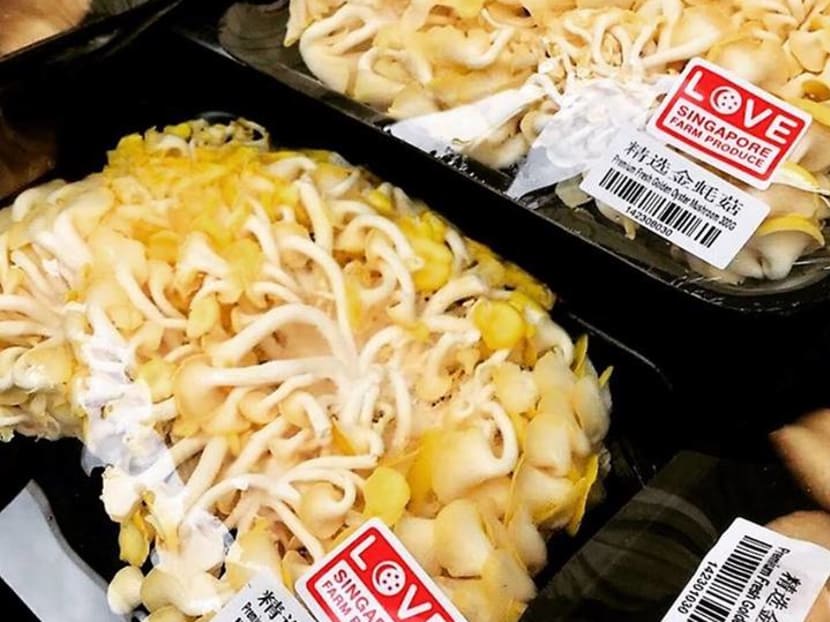
Kin Yan is Singapore’s largest commercial wheatgrass and mushroom farm, and it’s under the Hockhua Group (which also owns the chain of Hockhua Tonic Chinese medicinal shops). It supplies its pesticide-free crops to supermarkets and eateries. Other than wheatgrass and mushrooms like king oyster, it also grows other veggies such as sweet potato leaves, watercress, pea sprouts and aloe vera in its Lim Chu Kang farm.
Available at major supermarkets and RedMart. www.kinyan.sg.
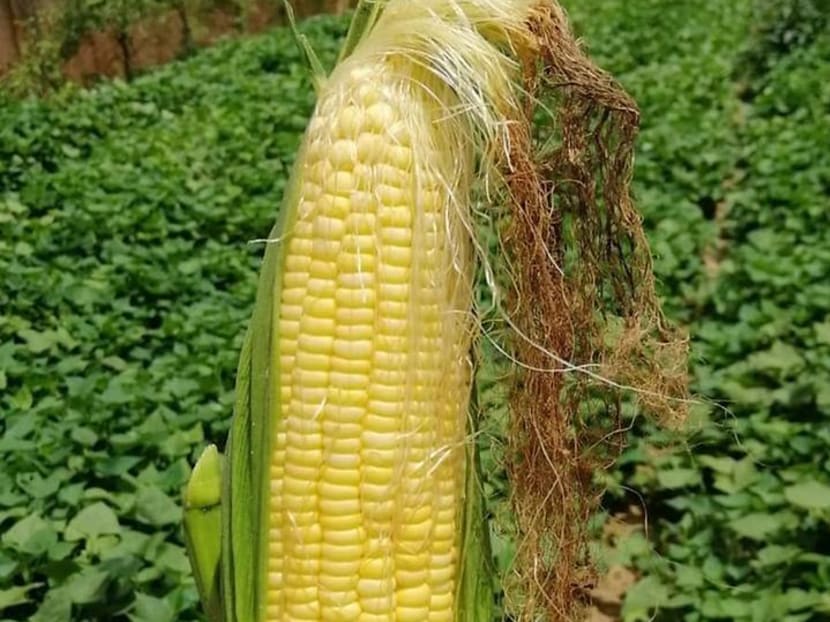
After weathering the SARS and bird flu epidemics, this organic farm at Lim Chu Kang prides itself on not using animal waste as soil fertiliser. Instead, they use natural rock dust, molasses and seaweed. They also do not use pesticides or fungicides on their crops, which includes greens like bok choy, chye sim, corn, peas, French beans, long beans and gourds.
Shop online at www.fireflies.sg/wp/marketplace.
Urban farming company Sustenir specialises in growing crops that are not native to Singapore, including cold-weather species like kale and strawberries. It cultivates its produce in a chilled controlled environment using methods like vertical farming (which saves space in land-scarce Singapore) and hydroponics.
Available at RedMart. www.susteniragriculture.com.
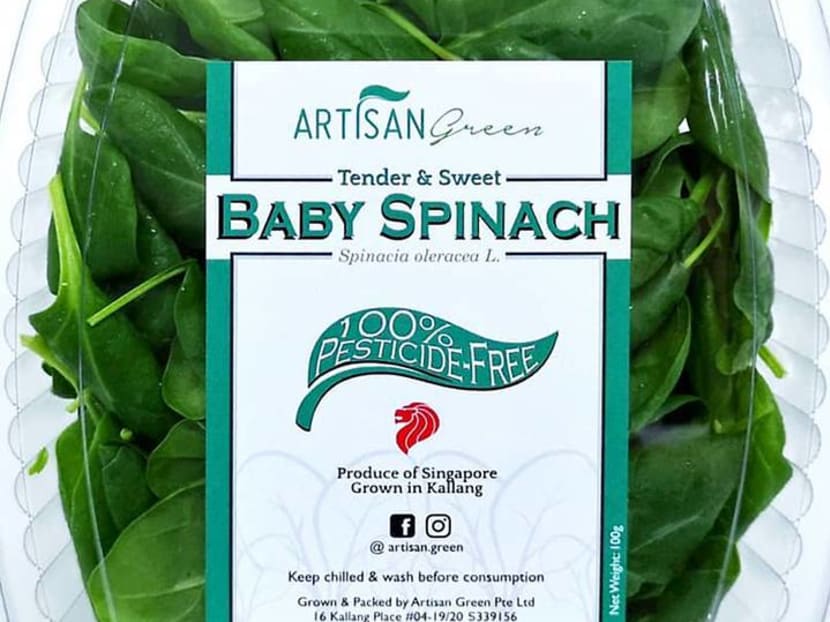
This indoor hydroponic farm founded in 2015 by young farmer Ray Poh produces ‘high-tech’ spinach grown using state-of-the-art technology. It will be stocked at grocer Little Farms from mid-April 2020, but in the meantime you can contact the farm to enquire about direct purchases.
#04-19/20 16 Kallang Place, S339156. Tel: 9863-1211. www.artisan.green.
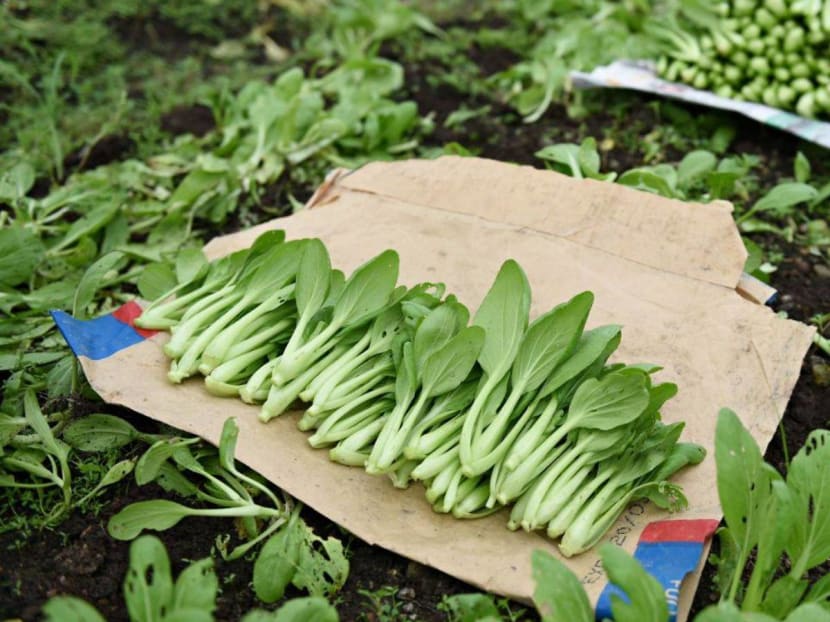
This popular family-run farm in Lim Chu Kang started in 1999, and is now a leading supplier of veggies in Singapore specialising in organic veggies like broccoli, cucumbers and nai bai. But last July, Quan Fa moved out of its longtime 35 Murai Farmway premises as its non-renewable lease was up. It has since shifted to a smaller farm at Neo Tiew Road, also in Lim Chu Kang. Quan Fa explains in a Facebook post that it has to “scale down our current farming operations to sprouts and some herbs… Leafy vegetables will currently be farmed in our partner farms in Malaysia and Thailand with whom we've drawn up partnerships with over the past few years”. While the farm no longer sells veggies on-site, you can still purchase from its Ang Mo Kio retail store and its web store.
Available at major supermarkets, RedMart, its retail store at #01-19, Blk 527 Ang Mo Kio Ave 10, S560527 & its online shop at www.quanfaorganic.com.sg.
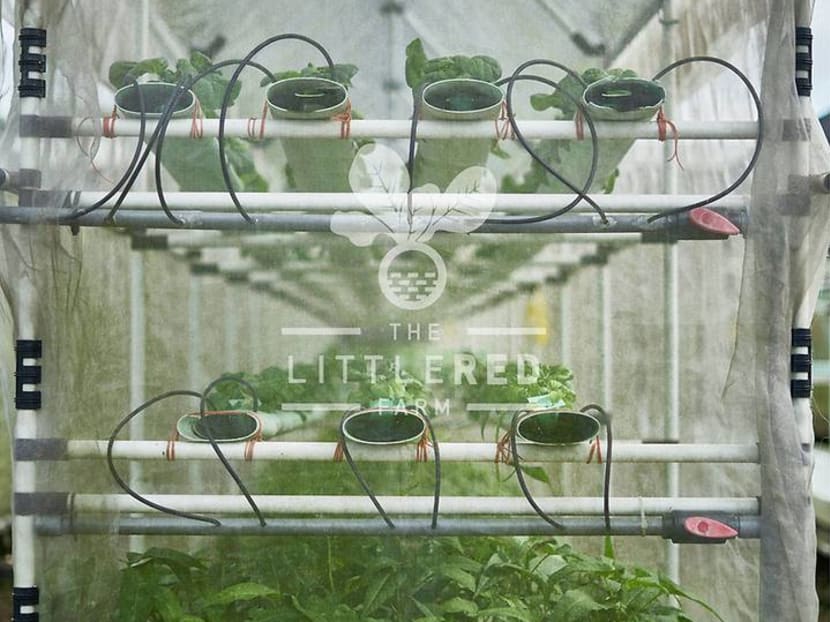
This homegrown farm in Lim Chu Kang, co-founded by a former financial consultant, does pesticide-free hydroponic farming, and produces succulent, crisp veggies like nai bai, red leaf bayam, lettuce, chinese cabbage and microgreens.
Available at RedMart. www.elittleredfarm.com.
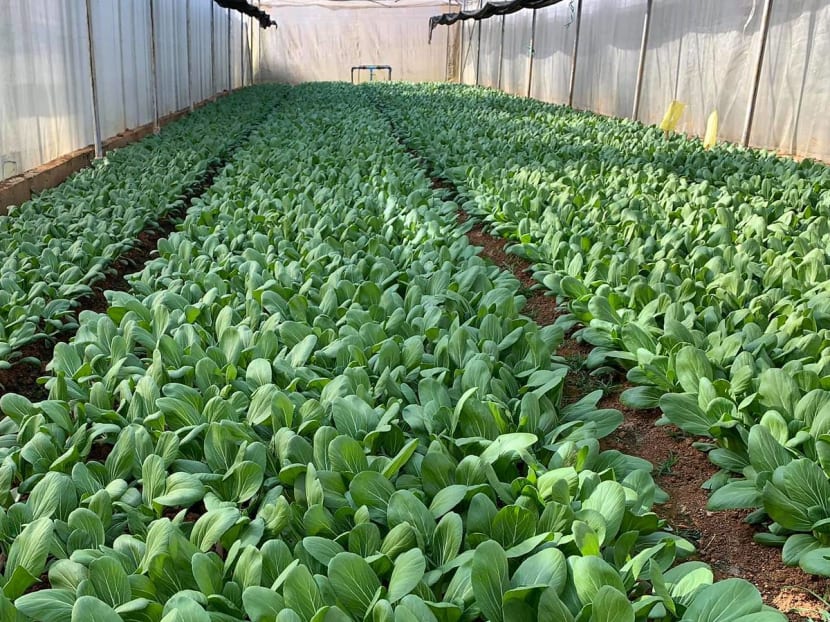
Not to be confused with the similarly-named The Little Red Farm, the six-year-old Red Dot Farm is another homegrown startup in the Kranji countryside, selling pesticide-free leafy vegs like kai lan, kang kong, red and sharp bayam spinach, chye sim and xiao bai cai. Our colleague, who has purchased both The Little Red Farm and Red Dot’s veggies from RedMart, compares both brands and reckons: “I think [Red Dot’s] veg quality is slightly better – lusher, and crunchier, and you get 25g more for the same price.”
Available at RedMart. www.facebook.com/pg/reddotfarm.
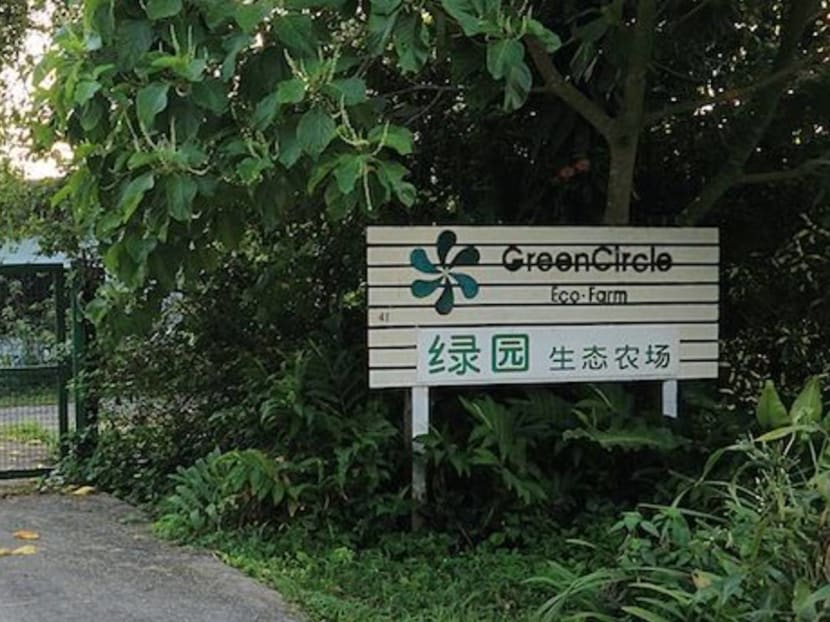
Other than veggies like chye sim, this Lim Chu Kang farm grows herbs like dill and fruits like guava and noni. It has an online shop for customers where you can order a Vegetables Bag (from $30) where the farm will send you a mixed bag of veggies and fruits that “grow well on that day [of delivery]”. The items vary from week to week, depending on what’s thriving.
www.greencircle.com.sg.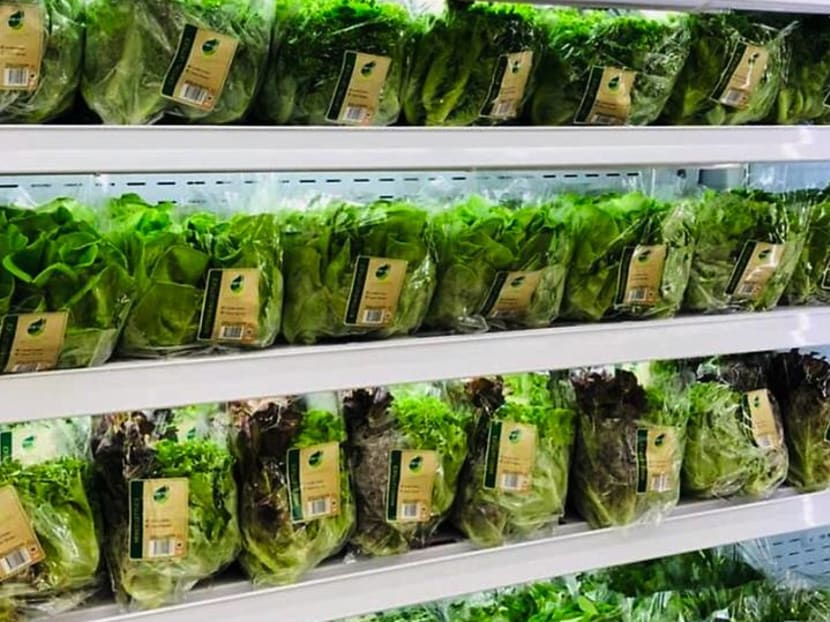
This farm in the agro technology park of Sungei Tengah (one of Singapore’s six agro technology parks, which is the government’s allocated “modern agriculture estates”) produces leafy veggies like xiao bai cai, kang kong and kailan. Other than supermarkets and online retailers, the farm also offers its veggies at a weekend market on its premises.
Available at NTUC FairPrice supermarkets, RedMart and Shopee. 18 Sungei Tengah Rd, S698974. www.kokfahfarm.com.sg.
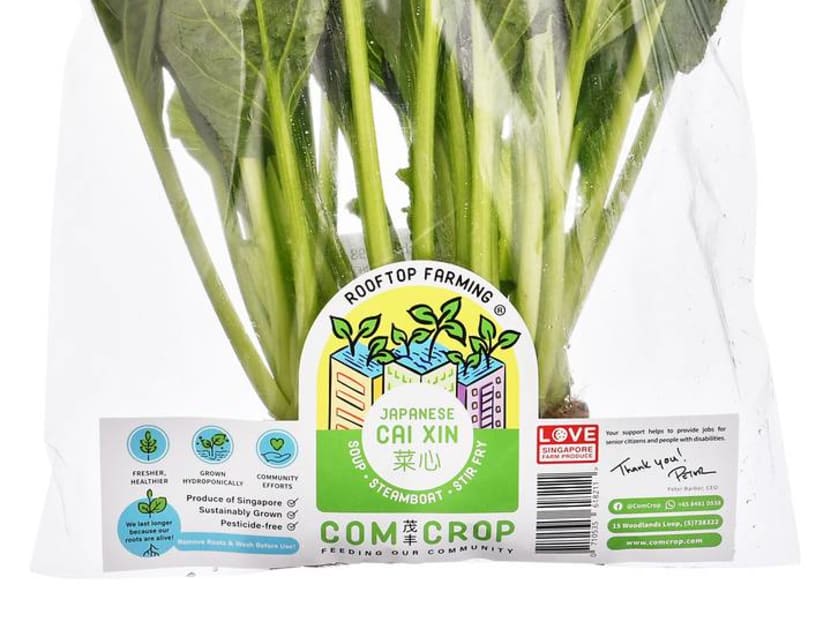
Comcrop is an ‘urban’ farm which grows crops on Singapore’s building rooftops, and produces veggies like basil, mint, ruby red lettuce and chye sim.
Available at NTUC FairPrice supermarkets and RedMart. www.comcrop.com.
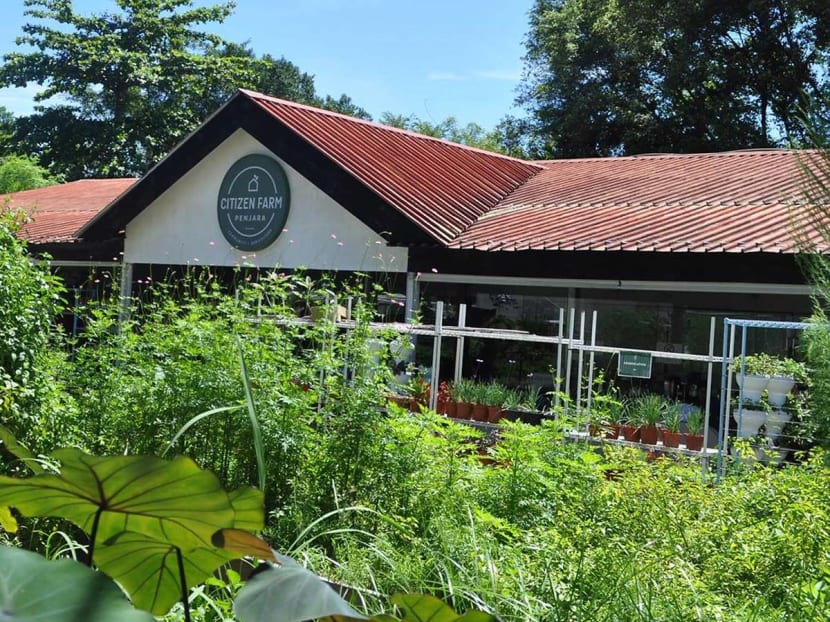
Located on an 8,000 sqm land plot in Queenstown, Citizen Farm grows enough herbs, mushrooms and veggies to feed 500 people a day. It also supplies produce to local eateries like Tippling Club and the Spa Esprit Group’s stable of restaurants like Open Farm Community. This includes pesticide-free leafy greens such as kale, lettuce and bok choy, as well as beetroot and edible flowers and herbs such as pandan, roselle and kaffir lime. For members of the public, the farm offers a subscription plan (from $35 a week) where you get a reusable cooler bag of leafy greens, microgreens, mushrooms, herbs and flowers delivered to you (contents vary weekly). Read our interview with Citizen Farm’s founder Bjorn Low here.
www.citizenfarm.com.sg.
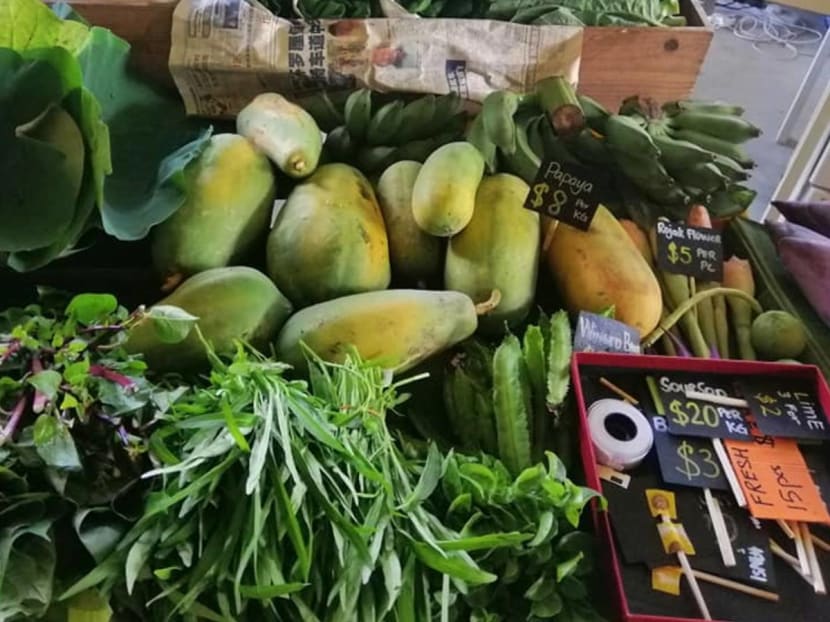
One of the better-known veggie farms in Singapore is Bollywood Veggies, which is started by Singaporean couple Ivy Singh and Lim Ho Seng on a 10-acre plot of land in Lim Chu Kang (the farm is named after Ivy’s half-Indian heritage). It grows veggies like sweet potatoes, tapioca, bittergourd, long beans, lady’s fingers, pumpkins, figs, aloe vera and some fruits like bananas and papayas. We also like dining at the farm’s on-site casual eatery called Poison Ivy Bistro, which serves tasty Peranakan fare like nasi lemak, laksa and desserts like banana bread, all made with locally-sourced ingredients.
100 Neo Tiew Rd, S719026. www.bollywoodveggies.com.
Stay in the know. Anytime. Anywhere.

Subscribe to our newsletter for the top features, insights and must reads delivered straight to your inbox.
By clicking subscribe, I agree for my personal data to be used to send me TODAY newsletters, promotional offers and for research and analysis.






